
Landscaping
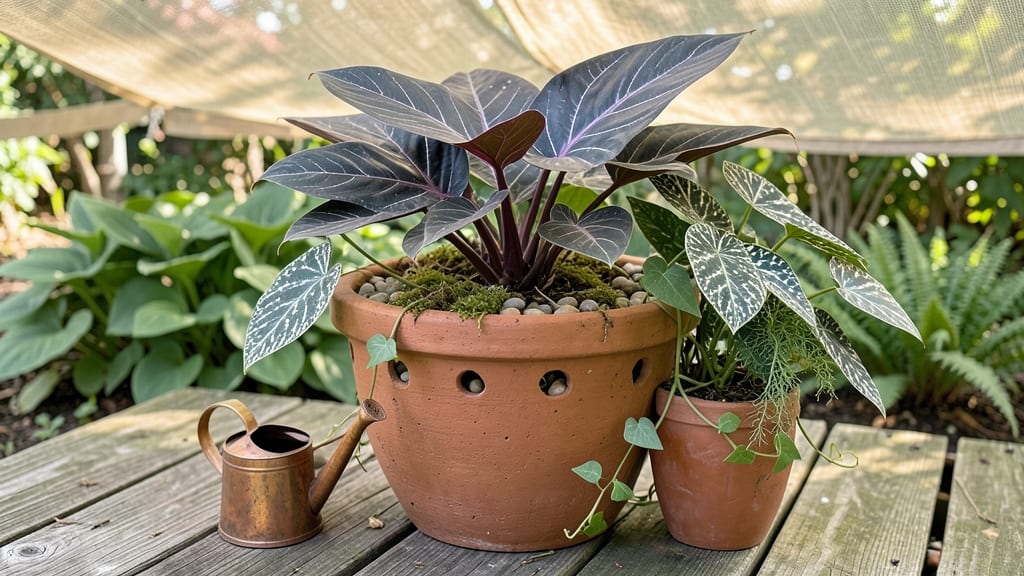
Creating alocasia garden ideas that pop starts with the right placement and plant pairings—these tropical stunners thrive in shady spots where their bold, arrowhead leaves shine.
Picture this: a lush corner of your garden where Alocasia 🌿 takes center stage, its deep veins and glossy foliage catching the light just right.
The key isn’t just picking the right variety (like Alocasia zebrina for humidity lovers or Alocasia polly for cooler zones)—it’s about layering textures and colors to make them the star.
Whether you’re working with a tropical-themed backyard, a cozy indoor jungle, or a small balcony, these plants adapt beautifully. Pair them with ferns, calatheas, or even dramatic monstera leaves for a jungle vibe that feels intentional, not random.
Inside, you’ll find container ideas for every space, lighting tricks to keep those leaves perky, and even a few unexpected spots (like near a water feature) where Alocasia 🌿 becomes the ultimate focal point. Let’s make your garden—or home—feel like a tropical escape.
How to style Alocasia plants in outdoor garden designs
Alocasia plants bring tropical drama to any outdoor space with their bold, elephant-ear leaves and velvety textures. These shade-loving powerhouses thrive in humid, protected areas, making them perfect for garden nooks, patio corners, or woodland-style landscapes.
The key to styling alocasia outdoors lies in pairing them with complementary plants that enhance their rich greens, purples, and velvety patterns while meeting their low-light and moisture needs.
For maximum impact, focus on three core design principles: layering textures, contrasting colors, and creating focal points. Alocasia’s large leaves demand space, so group them with medium-height plants like ferns or calatheas to avoid overwhelming smaller gardens.
In larger landscapes, let them stand alone as statement specimens near water features or shaded benches. Their dramatic foliage also pairs beautifully with orchids, peace lilies, and hostas for a luxurious, jungle-inspired vibe.
Here’s how to style alocasia in different outdoor settings—from shady gardens to containers—with plant pairings and layout tips tailored to each scenario:
| Design Style | Alocasia Variety | Complementary Plants | Light Needs | Styling Tip |
|---|---|---|---|---|
| Shade Garden | Alocasia polly | Ferns, hostas, peace lilies | Indirect light | Plant in clusters of 3-5 under a large tree canopy for dappled shade. |
| Water Feature | Alocasia zebrina | Papyrus, calatheas, moss | Bright indirect | Place 1-2 plants near edges of ponds or fountains for humidity boost. |
| Container Garden | Alocasia 'Black Stem' | Orchids, fittonia, ivy | Filtered light | Use large ceramic pots with pebble trays for moisture retention. |
| Tropical Border | Alocasia 'Dragon Scale' | Banana plants, cannas, gingers | Partial shade | Create a mixed-height border with alocasia as the mid-layer focal point. |
| Patio Corner | Alocasia 'Freddy' | Bromeliads, fittonia, pothos | Indirect light | Pair with a small bench or lantern for a cozy, jungle-lounge vibe. |
In shade gardens, alocasia thrives when paired with hostas and ferns, creating a layered, textured tapestry. Use Alocasia polly for its compact size and ruffled leaves, which contrast beautifully with the smooth, broad leaves of hostas.
Add mulch to retain moisture and protect roots from temperature swings. For maximum drama, group 3-5 plants together—their collective presence will draw the eye like a living sculpture.
Near water features, alocasia’s love of humidity makes it a natural fit. Place Alocasia zebrina—with its striking purple stems—along the edges of ponds or fountains where the mist enhances leaf vibrancy. Pair it with papyrus and calatheas to create a mini wetland oasis.
The reflections in water will amplify the alocasia’s velvety textures, making it appear even more luxurious. Just ensure the soil stays consistently moist but not waterlogged.
For small spaces or urban gardens, container styling is your best friend. Choose large, glazed pots (at least 12 inches wide) to accommodate alocasia’s sprawling roots. Alocasia 'Black Stem' is ideal for containers due to its dramatic dark stems and compact growth.
Pair it with trailing plants like pothos or ivy to soften the edges. Place the pot on a pebble tray to increase humidity and mimic tropical conditions. Rotate the pot quarter-turns weekly to ensure even growth.
Best Alocasia varieties for different garden climates
Choosing the right alocasia variety depends on your local climate. These tropical beauties thrive in humid conditions, but some varieties handle cooler zones better than others. Let’s explore the best options for your garden’s unique environment.
For humid tropical climates (USDA zones 10-12), Alocasia zebrina and Alocasia macrorrhizos shine. Their large, glossy leaves love high humidity and indirect sunlight. In contrast, Alocasia polly and Alocasia 'Black Stem' adapt better to cooler indoor environments (zones 9-11).
| Variety | Climate Zone | Light Needs | Humidity Needs | Care Tips |
|---|---|---|---|---|
| Alocasia zebrina | 10-12 (outdoors) / Indoors (9-11) | Bright indirect light | High (70%+) | Mist leaves daily; avoid drafts |
| Alocasia polly | 9-11 (indoors only) | Medium indirect light | Moderate (50-60%) | Use pebble trays for humidity |
| Alocasia macrorrhizos | 10-12 (outdoors) | Partial shade | Very high (80%+) | Plant near water features |
| Alocasia 'Black Stem' | 9-11 (indoors) | Low to medium light | Moderate (60%) | Rotate pot for even growth |
If you live in a cooler zone (9-11), focus on Alocasia polly or Alocasia 'Black Stem'. These varieties tolerate lower humidity and less intense light than their tropical cousins. Place them near east-facing windows or under grow lights to prevent leggy growth.
For outdoor gardens in warm zones (10-12), Alocasia zebrina and Alocasia macrorrhizos thrive when planted in shady, moist areas. Mulch heavily to retain soil moisture and pair them with hostas or ferns for a lush, jungle-like effect.
Adjust your watering schedule based on your variety. Tropical types like Alocasia zebrina need daily misting, while cooler-climate varieties like Alocasia polly prefer weekly watering with a pebble tray for extra humidity.
Experiment with container gardening if your climate is too harsh. Use glazed pots to retain moisture and move plants indoors during winter months to protect them from temperature drops.