What this work is made with
This page is a list of things, not a story. Gardening isn’t just about words—it lives in the soil, the tools, the way light bends through leaves. Here, we name what holds the work together.
Garden Plot is a place for plants, seeds, and the quiet lessons they teach. Every tip, every plant profile, and every troubleshooting guide depends on the things below.
The things that do the work
These are the objects that shape what you’ll find here: the worn edges, the stubborn usefulness, the things that refuse to be replaced.
Pruning shears
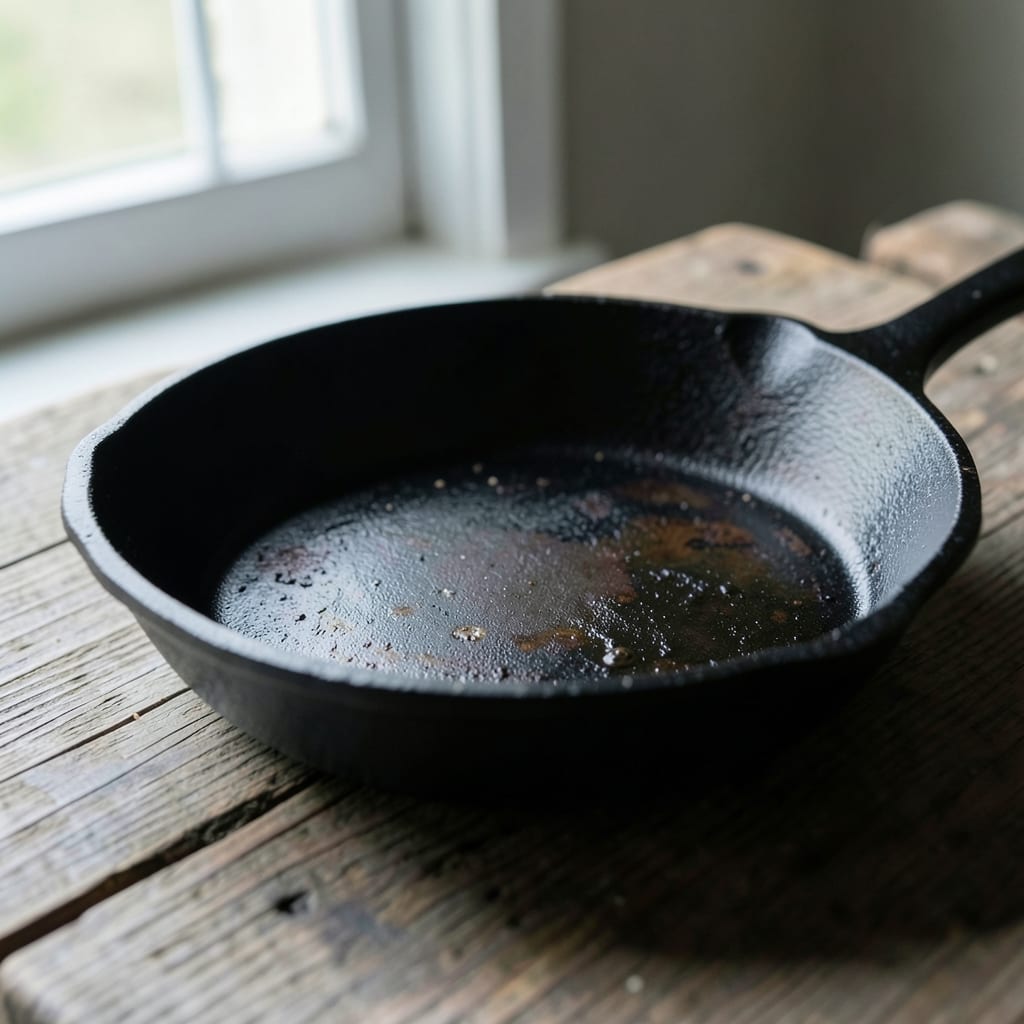
A pair of Felco 2s, their handles wrapped in faded green tape. They’ve been here since 2018, when I bought them secondhand from a retired horticulturist who swore by their balance.
They taught me that sharpness matters more than brand—after 87 snips, the first pair’s blades finally gave out, but the new ones still carry the same nick near the thumb ring, earned pruning daylilies that refused to yield.
A cracked terracotta pot
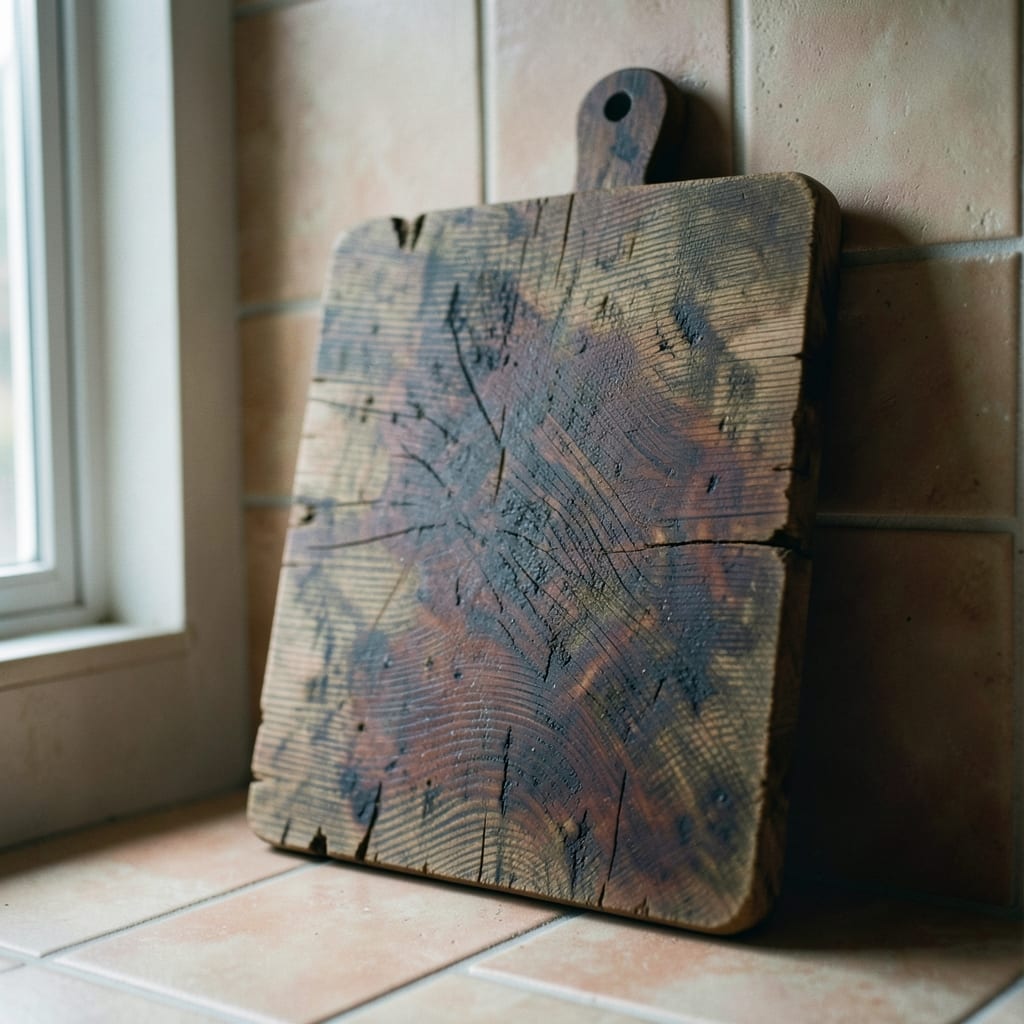
It’s missing a chunk from the rim, glued back together with too much epoxy. I found it in my grandmother’s shed in 2020, buried under old garden gloves and a rusted trowel.
It’s where I learned that broken things grow just as well as perfect ones—my first basil plant thrived in it, its roots twisting around the uneven edges like they didn’t even notice the damage.
A wooden plant label holder
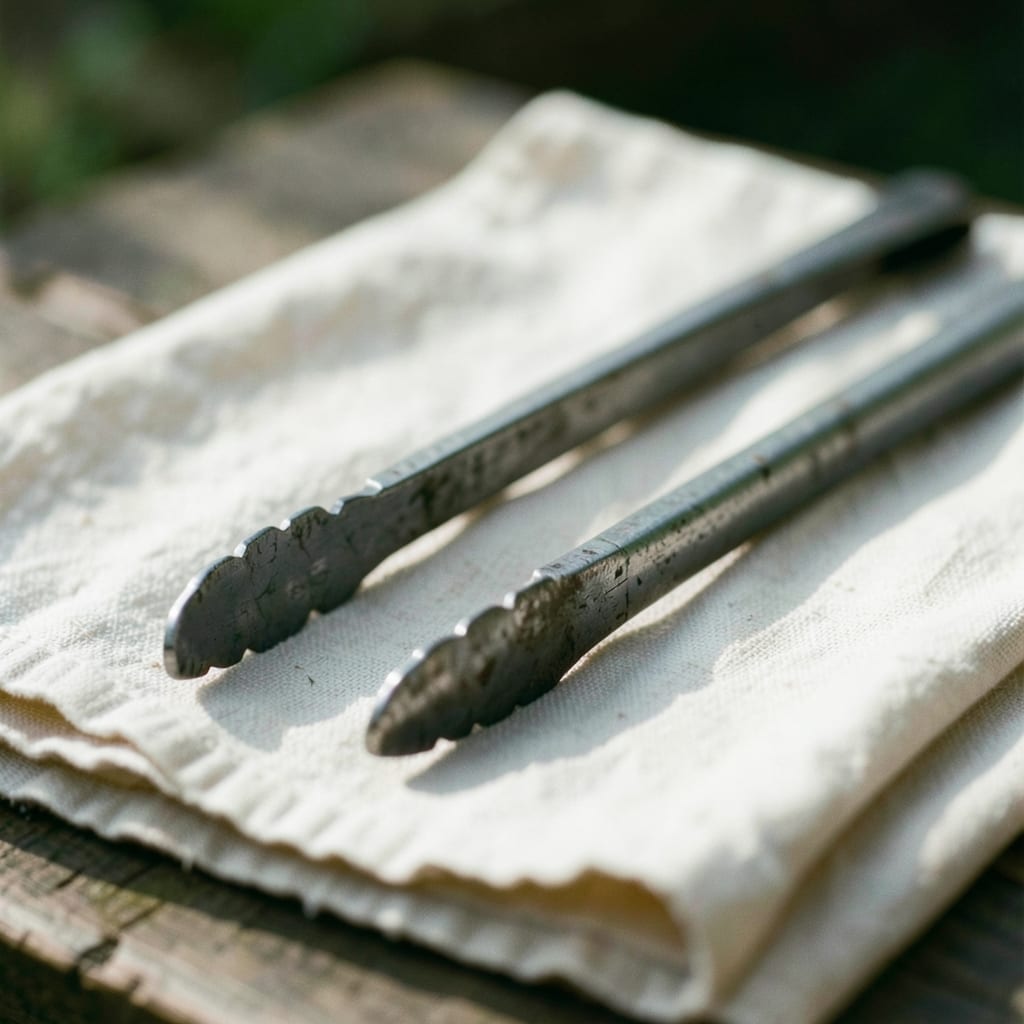
A cheap, splintery thing from a hardware store, its slots worn smooth from years of use. It’s held hundreds of labels, each one scribbled with pen and tucked into the dirt.
It proved that organization isn’t about fancy tools—just a place to put names down and remember where things belong. The first slot is still empty; I’ve never planted anything there.
A bent garden rake
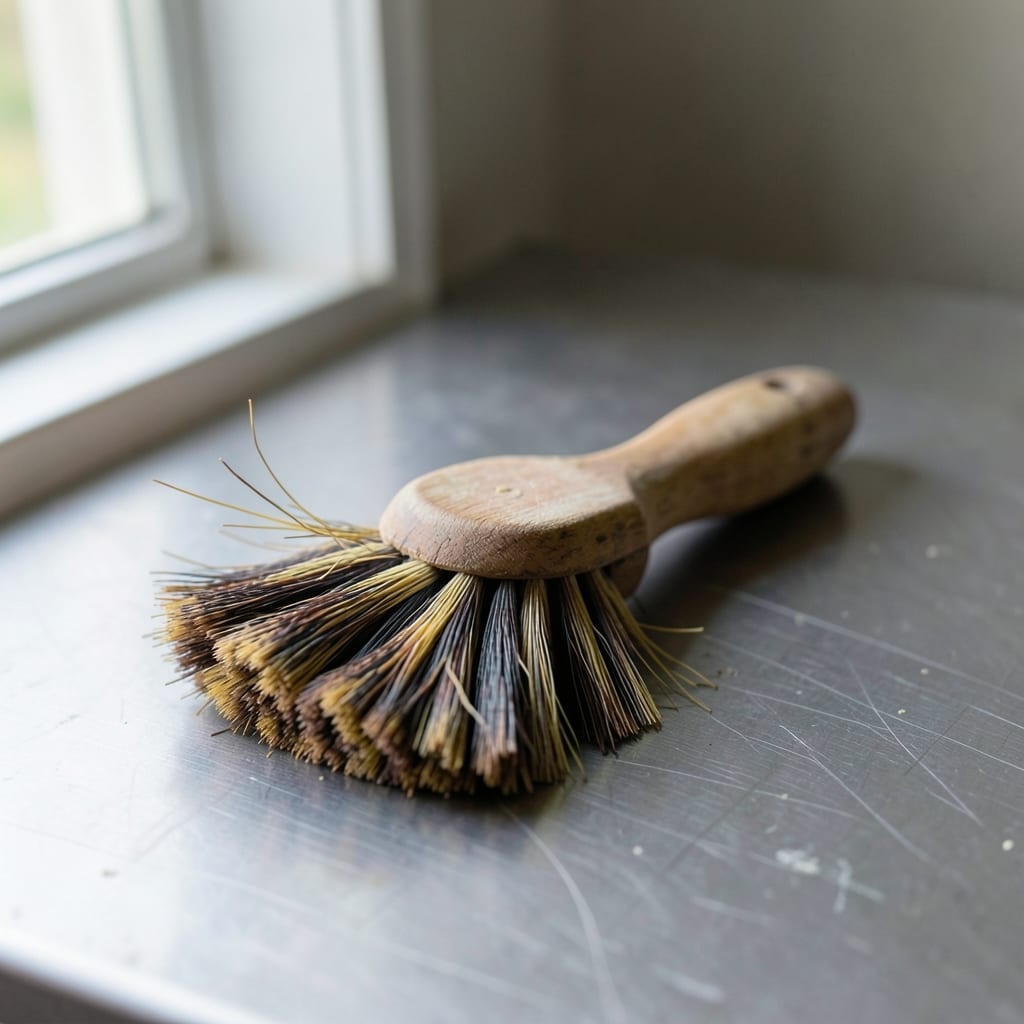
The tines are warped from dragging it across gravel, and the handle’s splintered where I dropped it on a rock. It’s been here since 2015, when I bought it for $8 at a yard sale.
It taught me that ‘perfect’ tools don’t exist—only the ones that get the job done, even when they’re falling apart. I use it to fluff compost, pull weeds, and occasionally, when I’m in a hurry, dig small holes.
What is not in the drawer
Some things are left out by choice, not by accident.
Deliberately absent
- Fancy gadgets that promise miracles but deliver frustration (looking at you, self-watering pots).
- Brand-new tools that’ll be discarded in a year—we prefer things with history.
- Overly scientific equipment (no soil pH meters here; we trust our fingers and eyes).
- Plastic everything. If it can’t biodegrade or be repaired, it doesn’t belong.
Behind the scenes

I’m Kendra Schuster, the founder and editor of Garden Plot. I’m the one who answers the emails about why tomatoes split open in the rain, who tests whether marigolds really keep pests away, and who still gets dirt under my nails no matter how many times I wash my hands.
I came to this from my grandmother’s backyard in Ohio, where she grew tomatoes that could split a canning jar just by looking at it, and where I learned that gardening isn’t about perfection—it’s about watching something stubborn grow anyway.
This work gave me a permanent line on my thumb from pressing pruning shears too hard, a habit of noticing how light hits the undersides of leaves, and the ability to spot a dying plant before it even wilts.
I’m here to make sure the advice you find works in your garden, not just in mine. That means no vague instructions, no ‘plant in full sun’ without telling you what that actually looks like where you live, and definitely no recipes that assume you’ve ever held a trowel.
Why any of this matters to you
Every object here—from the shears to the cracked pot—shapes what you’ll read. The tips you find aren’t just theory; they’re tested with tools that have scars, in soil that’s been worked by hands that know what ‘done’ looks like.
This isn’t a place for polished photos and perfect rows. It’s for the real work: the plants that surprise you, the mistakes that teach you, and the quiet satisfaction of something growing because you gave it a chance.
If you’re here because you want gardening that actually works, you’re in the right place. The contact page is where you can ask the questions the objects here can’t answer.
Every page here is built with the same tools: real gardens, real problems, and real solutions. No fluff, no guesswork—just what’s been proven to grow.
The guides are grouped by category: Advice, Aphids, Blooming, Companion Plants, Container Gardens and Diseases.