
Light Requirements
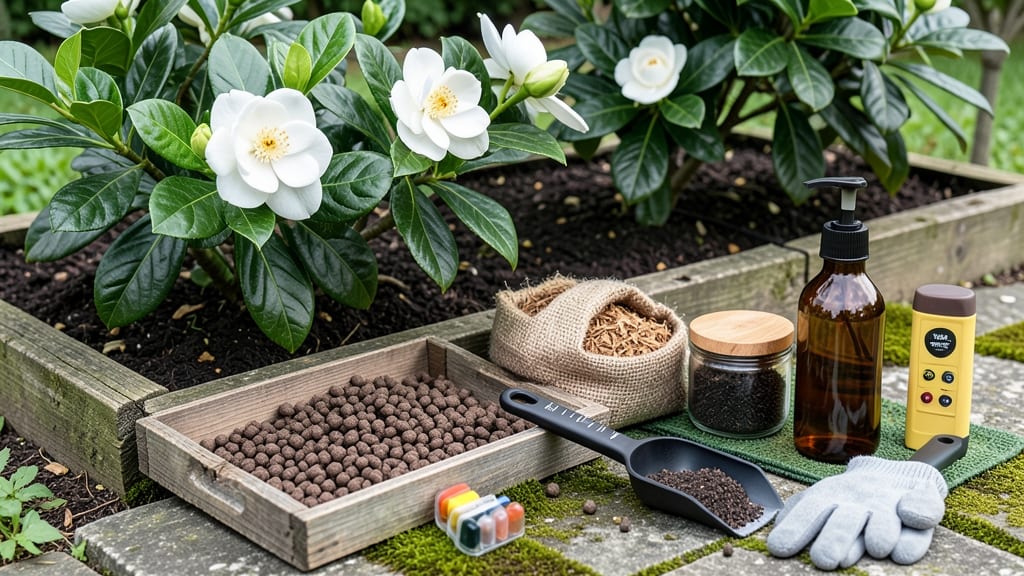
Understanding gardenia fertilizer requirements is the key to those fragrant blooms you love 🌸 — because without the right nutrients, even the hardiest plants will struggle to thrive.
Struggling to keep your gardenia blooming as vibrantly as it should? The secret lies in understanding its precise fertilizer needs — because these acid-loving beauties demand more than just any old soil nutrients.
Most gardeners make the mistake of using generic fertilizers, which can actually harm your plant by raising soil pH too high. Gardenias crave an acidic environment, so the right balance of nitrogen, phosphorus, and potassium — along with micronutrients like iron and manganese — is non-negotiable.
In this guide, I’ll break down the best organic and synthetic fertilizers, when to apply them, and how to spot signs of nutrient deficiency before it’s too late. By the end, you’ll know exactly how to feed your gardenia for lush foliage and show-stopping flowers.
Best fertilizers for gardenias: acidic nutrient breakdown for optimal growth
Gardenia plants thrive when their acidic soil needs are met with the right fertilizer blend. These fragrant shrubs demand specific nutrients—like iron, magnesium, and phosphorus—to produce their signature blooms. Without proper feeding, you’ll notice fewer flowers and yellowing leaves, signaling nutrient deficiencies.
Choosing between organic and synthetic fertilizers depends on your gardening goals. Organic options like composted pine bark or fish emulsion slowly release nutrients, while synthetic azalea fertilizers provide quick results. Both must align with a low pH (4.5–6.0) to keep gardenias happy.
Here’s a breakdown of what gardenias truly need to flourish:
The NPK ratio (Nitrogen-Phosphorus-Potassium) is critical for gardenias. A balanced 6-6-6 or 8-3-9 blend ensures lush foliage and abundant blooms. Too much nitrogen (first number) leads to leafy growth but fewer flowers, while phosphorus (second number) directly fuels bloom production.
Micronutrients like iron and magnesium are equally vital. Yellowing leaves between veins often signal iron deficiency, while purple undersides of leaves indicate phosphorus shortage. Organic fertilizers like fish emulsion or composted manure provide these micronutrients naturally over time.
Seasonal timing matters just as much as the fertilizer type. In spring, feed gardenias with a high-phosphorus fertilizer to encourage blooms. During summer, reduce feeding to prevent leaf burn, and avoid fertilizing in fall and winter when the plant rests. This seasonal schedule prevents over-fertilization and stress.
For container gardenias, use a water-soluble fertilizer like Miracle-Gro Azalea/Camellia mix, diluted to half-strength. These plants dry out faster, so consistent moisture and regular feeding are key. Always water thoroughly after fertilizing to prevent root burn.
If your gardenia’s leaves turn yellow with brown spots, it’s likely over-fertilized. Flush the soil with water and hold off on feeding for 2 months. For under-fertilized plants, look for small leaves and sparse blooms—these are clear signs to increase feeding frequency and switch to a higher-phosphorus formula.
Pro tip: Mix coffee grounds into the soil annually to boost acidity naturally. This DIY trick mimics the acidic conditions gardenias love in their native tropical habitats. Pair it with a slow-release fertilizer in spring for a double nutrient boost.
🌸
How to apply gardenia fertilizer correctly: step-by-step feeding schedule
Gardenias thrive when fed with precision—too little and blooms suffer, too much and roots burn. My step-by-step feeding schedule ensures your plant gets exactly what it needs, when it needs it.
The key is timing: fertilize during active growth (spring through summer) and avoid feeding when your gardenia rests (fall and winter). Always use an acid-loving fertilizer with an NPK ratio of 6-6-6 or 8-3-9 to match their natural soil preferences.
Start feeding in early spring as new growth appears, then continue every 4-6 weeks until late summer. For mature plants, I measure out 1 tablespoon per plant and apply it to the soil surface—never directly on leaves.
Water thoroughly after application to help nutrients reach the roots. Foliar sprays (like diluted seaweed extract) can supplement root feeding, especially during blooming season, but they shouldn’t replace soil applications.
⚠️ callout-warning
Gardenias are sensitive to salt buildup from fertilizers. Signs of over-fertilization include:
- Brown leaf tips (salt burn)
- Yellowing between veins (nutrient toxicity)
- Stunted growth despite regular feeding
If you see these signs, flush the soil with 6 inches of water to leach excess salts. Reduce feeding frequency by half for 2 months.
For root applications, I mix fertilizer into the top 2 inches of soil using a hand trowel, then water deeply. This method ensures nutrients penetrate where roots actively grow.
In late summer, switch to a low-nitrogen, high-phosphorus fertilizer (like 10-20-10) to encourage bud formation for next year’s blooms. Always avoid fertilizing in fall or winter, as gardenias enter dormancy and won’t use additional nutrients.
Foliar feeding is best done in early morning to prevent leaf burn from afternoon sun. I dilute a seaweed or fish emulsion fertilizer to half-strength and spray until leaves are lightly misted. This method delivers micronutrients like magnesium and iron, which gardenias need for vibrant blooms.
Reapply every 4 weeks during bloom season, but skip foliar feeds if your plant shows signs of stress or disease.
Monitor your gardenia’s response to feeding by checking leaf color and growth rate. Healthy leaves should be deep green and glossy, while under-fertilized plants may show pale yellow leaves or fewer blooms.
Adjust your schedule based on these cues—if growth slows after feeding, increase the frequency slightly. If leaves yellow between veins, you’re overdoing it. The goal is balanced nutrition, not a heavy hand.
Remember, gardenias reward patience. By sticking to this seasonal feeding calendar and watching for warning signs, your plant will thrive and bloom abundantly year after year. Start with spring feeding, maintain consistency, and enjoy the fragrant results! 🌸