
Planting
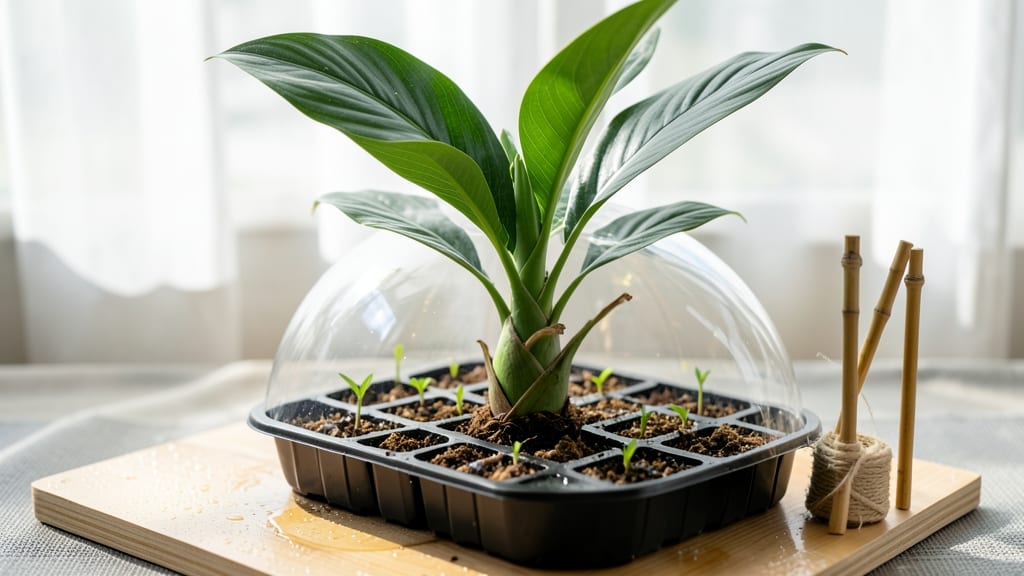
Growing a garden banana seed 🍌 from scratch is one of the most rewarding ways to bring tropical fruit to your backyard—if you’re willing to wait for the 12-18 months it takes to harvest.
Imagine harvesting your own tropical fruit from a plant you grew yourself—starting with a simple banana seed! While it takes patience, growing a banana tree from seed is a rewarding adventure for any gardener eager to cultivate the exotic.
But here’s the catch: banana seeds are notoriously slow to sprout, and they need just the right mix of warmth, moisture, and bright, indirect light to avoid mold or rot. Without the right setup, even the most eager gardener can end up with a sad, soggy seed tray.
In this guide, I’ll walk you through every step—from extracting those tiny seeds to transplanting your first seedling—so you can avoid the common pitfalls and watch your Garden Banana grow into a lush, fruit-bearing plant.


How to extract and prepare banana seeds for planting
Imagine harvesting your own tropical fruit from a plant you grew yourself—starting with a simple banana seed! While it takes patience, growing a banana tree from seed is a rewarding adventure for any gardener eager to cultivate the exotic.
The first step is extracting and preparing those seeds for optimal germination success. Unlike store-bought bananas, which are seedless, organic or heirloom varieties often contain viable seeds perfect for planting.
Before you begin, gather your supplies: a ripe banana, a sharp knife, warm water, a paper towel, and a small container. The key to success lies in proper seed extraction and preparation—this ensures your seeds have the best chance to sprout into healthy seedlings.
Banana seeds are notoriously slow to germinate, so patience is your best friend throughout this process.
Start by selecting a ripe banana with dark spots on its peel. These spots indicate the fruit is soft enough to reveal the seeds inside. Cut the banana in half lengthwise and carefully scoop out the seeds from the center.
You'll find small, hard, black seeds embedded in the banana's core—these are your future banana plants!
Step-by-Step Guide to Prepare Banana Seeds
-
Step 1: Extract the Seeds
Cut a ripe banana in half and scoop out the seeds from the center. Rinse them gently under warm water to remove any pulp.
-
Step 2: Clean the Seeds
Place seeds in a bowl of warm water for 24 hours. This helps soften the outer shell and removes any remaining pulp.
-
Step 3: Dry the Seeds
After soaking, spread seeds on a paper towel and let them air-dry for 1-2 days. They should feel slightly damp but not sticky.
-
Step 4: Stratify for Germination
Wrap the dried seeds in a damp paper towel and place them in a sealed plastic bag. Store in a warm, dark place (like your fridge’s crisper drawer) for 4-6 weeks to mimic natural conditions.
-
Step 5: Prepare the Soil
Mix well-draining potting soil with perlite or coconut coir (ratio 3:1). Fill small pots (3-4 inches deep) with this mixture and moisten lightly.
-
Step 6: Plant the Seeds
After stratification, plant 1-2 seeds per pot, 1/4 inch deep. Place pots in a warm, humid environment (like a greenhouse or sunny windowsill) with 70-80°F temperatures.
The soil mixture is critical for banana seed germination. Banana plants thrive in well-draining, slightly acidic soil with a pH between 5.5 and 6.5. To achieve this, combine potting soil with perlite or vermiculite to improve aeration.
Avoid compacted or clay-heavy soils, as these can suffocate young roots and lead to rot.
Once your seeds are planted, maintain a humid environment by covering the pots with plastic wrap or using a humidity dome. This mimics the tropical conditions banana plants prefer. Place the pots in a location with indirect sunlight—direct sun can overheat the soil and dry out the seeds prematurely.
A south-facing window with sheer curtains works well for indoor setups.
Be patient! Banana seeds can take 2-6 months to germinate, depending on the variety and conditions. During this time, keep the soil consistently moist but never waterlogged. Overwatering is a common mistake that can lead to seed rot or fungal issues.
Use a spray bottle to mist the soil lightly every 2-3 days, ensuring the top inch remains damp.
As your seeds begin to sprout, you’ll notice tiny roots emerging first, followed by a small shoot. Once the shoot reaches 2-3 inches tall, it’s time to transition to brighter light.
Gradually introduce direct sunlight over 1-2 weeks to avoid shocking the delicate seedlings. This slow acclimation helps prevent leaf scorch and ensures steady growth.
Remember, growing a banana tree from seed is a marathon, not a sprint. With the right seed preparation and soil conditions, you’ll be well on your way to nurturing a tropical treasure in your garden.
Stay tuned for our next section on germination timelines and care tips to keep your seedlings thriving!
Banana seed germination timeline and care tips for healthy growth
Growing a banana tree from seed is a journey that rewards patience with a stunning tropical plant. Understanding the banana seed germination timeline helps you set realistic expectations. Typically, seeds sprout within 3 to 6 weeks, though some may take up to 3 months—especially in cooler conditions.
The key to success lies in maintaining consistent moisture and warmth while avoiding common pitfalls like mold or overwatering.
Once your seeds are planted in a well-draining, moist potting mix, place them in a warm location with indirect sunlight. A heated propagator or seedling mat set to 75-85°F can significantly speed up germination.
Avoid direct sunlight initially, as young seedlings are delicate and can scorch. Keep the soil consistently moist but never soggy—this balance is critical for preventing mold while encouraging root development.
- Week 1-2: Plant seeds ½ inch deep in moist, sphagnum moss or coconut coir. Cover tray with plastic wrap to retain humidity. Check moisture daily.
- Week 3-4: First sprouts appear! Reduce humidity slightly by removing plastic wrap. Provide bright, indirect light (e.g., under grow lights).
- Week 5-6: Seedlings emerge with 2-3 leaves. Transplant to 3-inch pots with well-draining soil. Introduce direct sunlight gradually.
- Week 8-12: Harden off seedlings by exposing them to outdoor conditions for 2-3 hours daily. Monitor for pests like aphids or fungal spots.
If your seeds haven’t sprouted after 6 weeks, don’t lose hope—banana seeds can be stubborn. Gently check for signs of life by pressing lightly on the seed; if it feels soft or cracks, it may still germinate.
To troubleshoot, ensure your seeds aren’t too dry or compacted in the soil. If mold appears (fuzzy white or black spots), improve airflow by spacing seedlings further apart and reduce watering slightly.
Once sprouts emerge, focus on light and nutrition. Young seedlings thrive under grow lights or a south-facing window for 12-14 hours of light daily. Use a balanced fertilizer (5-5-5) diluted to half-strength every 4 weeks to support leafy growth.
Avoid over-fertilizing, which can burn tender roots. As seedlings grow taller, stake them lightly to prevent toppling in windy conditions.
By month 3, your banana seedlings should be 1-2 feet tall with multiple leaves. This is the ideal time to transplant them into larger containers or directly into the ground in USDA zones 10-12.
Choose a location with rich, slightly acidic soil (pH 6.0-7.5) and partial shade to protect them from intense afternoon sun. Mulch around the base to retain moisture and regulate soil temperature.
Remember, banana trees grow slowly from seed, but with consistent care, you’ll soon enjoy the satisfaction of nurturing a plant that could one day produce fruit. The journey from seed to sapling teaches valuable lessons in patience and observation—skills every gardener cherishes. 🌱