
How To
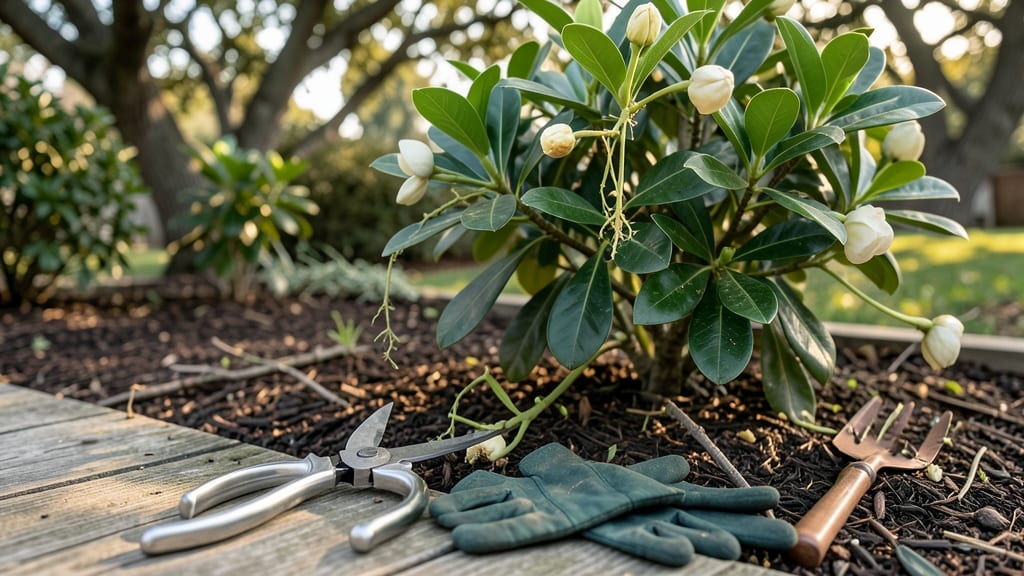
Cut back gardenia bushes in late winter—just as new growth begins—to set the stage for show-stopping spring blooms 🌸.
Picture this: You’ve spent months admiring your gardenia’s glossy leaves, only to wake up one morning and notice buds forming. That’s your cue—prune too early, and you risk stunting those delicate flowers. Too late, and you’ll end up with a bush that looks like it’s been hit by a lawnmower.
Timing isn’t just about the calendar; it’s about reading your gardenia’s signals. In USDA Zone 6, that means trimming in February or March, right after the last frost but before the heat of summer kicks in. Skip this step, and you might as well be watering a desert.
Below, I’ll walk you through the exact steps—from identifying the right branches to avoiding the three pruning mistakes that kill blooms. Plus, I’ll share how to adjust your schedule if you live in a warmer climate where gardenias bloom year-round.
Best time to prune gardenia bushes for optimal spring growth
If you want your gardenia bushes to burst into fragrant spring blooms, timing your late-winter pruning is everything. Pruning at the wrong time can stunt growth, reduce flowers, or even stress your plant.
The ideal window is just before new growth begins—typically February to March in most USDA Zones 7-10. This aligns with the plant’s natural dormancy cycle and gives it a head start for the growing season.
Pruning too early in winter risks cutting off next year’s buds, while waiting too late can delay spring growth. The key is to prune 4-6 weeks before your last frost date—this ensures your gardenia has time to recover before warmer weather arrives.
For example, in Zone 7, aim for late February to early March, while Zone 10 gardeners can prune as early as January.
Look for these seasonal cues to confirm the right time: bud swelling on branches, lengthening daylight, and warmer daytime temperatures (above 50°F). Avoid pruning when buds are already open or flowering, as this can remove potential blooms.
Instead, focus on shaping the bush while it’s still dormant but ready to wake up.
Here’s a quick reference to help you align your pruning with your local climate and the gardenia’s growth cycle:
| Climate Zone | Best Pruning Month | Seasonal Cue | Why It Matters |
|---|---|---|---|
| Zones 7-9 | Late February - Early March | Bud swelling, temps above 50°F | Encourages robust spring growth |
| Zone 10+ | January - Early February | New growth starting | Avoids heat stress in blooming season |
| Zones 6 or colder | Early April | After last frost, soil thawed | Prevents frost damage to new cuts |
Pruning in late winter also reduces disease risk because the plant isn’t actively growing, so wounds heal faster.
It’s the perfect time to remove dead or diseased branches, shape the bush, and open up the center for better airflow—a critical step to prevent powdery mildew and fungal infections. Think of it as giving your gardenia a fresh start before the busy growing season kicks in.
One common mistake is pruning too aggressively, which can overwhelm the plant and delay blooming. Stick to removing no more than 25-30% of the foliage in a single session. Focus on thinning out crowded branches and cutting back leggy growth to encourage a fuller, bushier shape.
Use clean, sharp pruners to make 45-degree cuts just above a leaf node or bud.
After pruning, give your gardenia a light fertilizer application (like a balanced 10-10-10) to support new growth. Pair this with consistent watering—deep soaks every 3-5 days—to help it recover. Within a few weeks, you’ll see fresh green shoots and, eventually, those coveted summer blooms.
The key is patience and precision; timing your prune right sets the stage for a show-stopping display.
If you’re unsure about your local frost date, check your USDA Hardiness Zone and use a planting calendar for your region. Many garden centers offer free frost date guides, or you can look up historical data from the National Weather Service.
Aligning your pruning with these dates ensures your gardenia gets the best possible start to the season.
Pro tip: Mark your calendar now! Set a reminder for 6 weeks before your last frost date to prune. This small step can transform a lackluster gardenia into a lush, fragrant centerpiece that steals the show.
With the right timing, your efforts will pay off in abundant blooms and a healthier, happier plant.
Step-by-step guide to pruning gardenia bushes without damaging flowers
Pruning your gardenia bush correctly is key to encouraging healthy blooms while avoiding damage that stunts growth. The right technique ensures you shape the plant without sacrificing next season’s fragrant flowers.
I’ll walk you through the exact steps to trim your gardenia like a pro—without killing those coveted blooms.
Most gardeners make two critical mistakes: pruning at the wrong time of year or cutting too aggressively. Both can lead to fewer flowers and stressed plants. Instead, focus on selective pruning during dormancy and light shaping after flowering. Let’s dive into the step-by-step process to keep your gardenia thriving.
When to Cut Back Gardenia Bush
- Step 1: Wait until late winter (February-March in most zones) when the plant is dormant but before new growth begins.
- Step 2: Check for buds forming—if you see them, delay pruning until after blooming season.
- Step 3: For tropical climates, prune right after flowering (late spring) to encourage new growth before summer.
- Step 4: Avoid pruning in fall or winter—this can stimulate tender growth that won’t survive frost damage.
- Step 5: If your gardenia is overgrown, do light pruning in early spring and heavy shaping after blooms fade.
Now that you know the best time, let’s talk tools. Use clean, sharp pruners or bypass shears to make precise cuts. Dull tools crush stems, inviting disease and pests. Disinfect your tools with rubbing alcohol between cuts to prevent spreading bacterial infections.
Start by removing dead or diseased branches first—they’re easy to spot as they’re brown, brittle, or lacking leaves. Next, trim back overcrowded branches to improve air circulation and reduce humidity-related issues like powdery mildew. Aim to open up the center of the bush for better light penetration.
For shaping, cut just above a leaf node or bud at a 45-degree angle. This encourages new growth in the right direction. Avoid cutting into old wood—gardenia bushes bloom on new wood, so focus on current season’s growth.
Never remove more than one-third of the plant in a single session.
After pruning, give your gardenia a light feeding with a balanced fertilizer (like 10-10-10) to support new growth. Water deeply to help the plant recover, and mulch around the base to retain moisture and regulate soil temperature.
With proper care, your gardenia will reward you with abundant blooms next season!