
Size
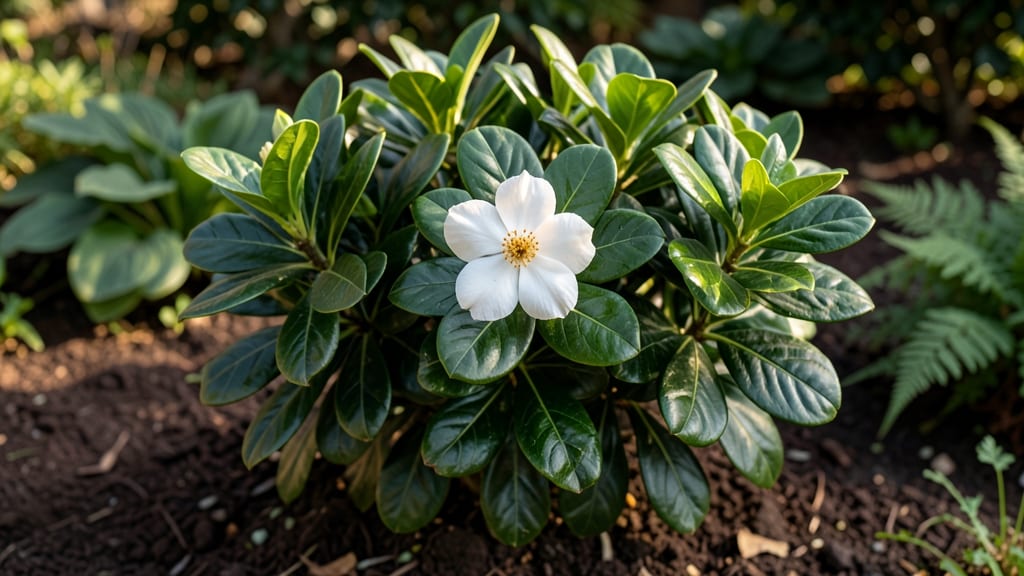
Frost-proof gardenias can reach 3 to 6 feet in height, but the right size depends on your climate and variety—especially if you’re in zones colder than their native 9b.
If you love the intoxicating scent of 🌸 gardenias but dread winter freezes, you’re not alone. Many gardeners assume these tropical beauties can’t survive frost, but hardy varieties like Kleim’s Hardy and Fortuniana hybrids prove otherwise.
The catch? Their mature size varies wildly—from compact 2-foot dwarf shrubs to towering 6-foot standards—so choosing the right one for your space is key.
Below, I’ll break down exactly how size impacts winter survival, which varieties stay small (or grow tall) in colder zones, and the 3 simple care tricks to keep them thriving through frost—no greenhouses required.
Whether you’re planning a winter garden or just want blooms that last, you’ll find out which frost-proof gardenias fit your space, how fast they grow, and how to protect them when temperatures drop.


Mature size ranges of frost-proof gardenia varieties compared
Selecting a frost-proof gardenia means balancing cold hardiness with mature size to fit your space. Some varieties stay compact at 2-3 feet, while others reach towering 6 feet or more. The right choice depends on your garden layout and whether you prefer dwarf or standard growth habits.
Cold-hardy gardenias like ‘Kleim’s Hardy’ and ‘Radicans’ are bred to survive USDA Zones 6-9, but their sizes vary significantly. A 3-foot dwarf fits perfectly in containers or small gardens, while a 6-foot standard becomes a focal point in borders or shrub beds.
Below, I’ve compared the height, spread, and growth rate of the top frost-proof gardenia varieties to help you plan your garden layout. Whether you’re working with a patio, bed, or container, knowing these dimensions ensures your gardenia thrives without overcrowding.
If you’re limited to containers, opt for ‘Radicans’ or ‘Mystery’, which stay under 3 feet tall and wide. These varieties are ideal for patios or balconies where space is tight.
For a bold statement, ‘Veitchii’ reaches 6 feet and pairs well with other tall shrubs like hydrangeas or camellias.
Growth rate also matters—‘Veitchii’ grows 18–24 inches per year, while ‘Radicans’ grows just 6–12 inches. If you want quick results, ‘Veitchii’ delivers faster, but it requires more pruning to control its size.
For a low-maintenance option, ‘Kleim’s Hardy’ strikes a balance with moderate growth and manageable size.
When planning your garden, consider spread as much as height. A 4-foot spread means your gardenia will need at least 4 feet of space on all sides for airflow and sunlight.
In tight spaces, prune back one-third of the plant in early spring to encourage bushier growth and control its spread.
For USDA Zone 6 gardeners, mulching is key to protecting roots from freezing temperatures. Add 3–4 inches of mulch around the base in fall to insulate the soil. This helps dwarf varieties like ‘Mystery’ survive winter without stunting their growth the following season.
If you’re unsure which size to choose, start with a dwarf variety in a container. You can always transplant it to the ground later if it outgrows its pot. This approach lets you test how well your gardenia thrives in your microclimate before committing to a larger plant.
Remember, frost-proof gardenias reward patience with fragrant blooms and glossy foliage. Whether you pick a compact or tall variety, the right size ensures your gardenia becomes a showstopper without overwhelming your space. 🌸
How to choose the right frost-proof gardenia size for your space
Selecting the right frost-proof gardenia size depends on your garden layout and climate zone. In USDA zones 6-9, cold-hardy varieties like 'Kleim’s Hardy' or 'Radicans' grow differently—some stay compact, while others reach 6 feet tall.
If you have limited space, a dwarf variety (2-3 feet) is ideal for containers or small gardens.
For container gardening, choose compact gardenias like 'Fortuniana' hybrids, which thrive in 15-gallon pots with proper drainage. In-ground plantings need more space—standard varieties require 4-5 feet of clearance for their spread and height. Always check the mature size label before purchasing to avoid overcrowding.
- 📏 Dwarf varieties (2-3 ft) – Perfect for containers or small gardens (e.g., 'Radicans').
- 🌿 Semi-dwarf (3-4 ft) – Ideal for border plantings or medium-sized yards (e.g., 'Kleim’s Hardy').
- 🌳 Standard (5-6 ft) – Best for large landscapes or privacy hedges (e.g., 'Fortuniana').
- ❄️ USDA 6-7 zones – Opt for smaller varieties (3-4 ft) for better winter survival.
- 🪴 Containers – Use 15-20 gallon pots for dwarf gardenias with well-draining soil.
In USDA zones 8-9, gardenias can handle slightly larger sizes, but pruning in late winter helps control growth. Trim overgrown branches back by 1/3 to encourage bushier blooms and prevent winter damage. Always prune after the last frost to avoid stressing the plant.
If you’re container gardening, prioritize root-bound prevention by repotting every 2-3 years and using acidic potting mix. Frost-proof gardenias in pots need extra winter protection, like burlap wraps or moving them to a garage during hard freezes. This keeps their compact size manageable while ensuring survival.
For small spaces, consider espalier training—this method grows gardenias flat against a fence or wall, saving horizontal space while maintaining their vertical height. It’s perfect for urban gardens or balconies where traditional shrub sizes won’t fit.
Remember, soil quality and sunlight exposure also affect size. Plant in partial shade (4-6 hours of morning sun) and well-draining, acidic soil to encourage optimal growth. With the right variety and care, your frost-proof gardenia will thrive—no matter how small your space! 🌸