Size
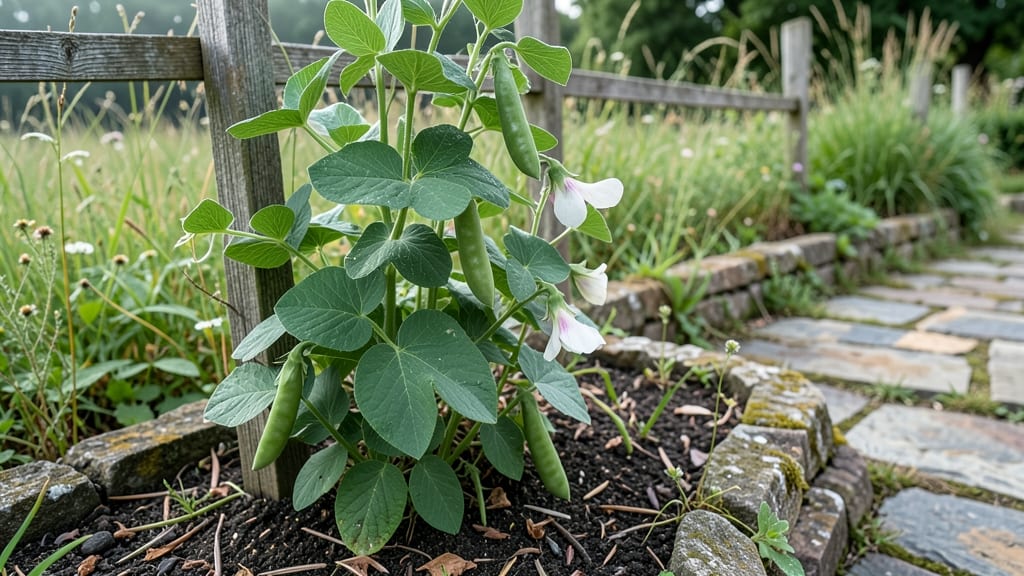
Garden peas grow anywhere from 1 foot to 6 feet tall, depending on the variety you choose—some stay compact while others climb like vines reaching for the sky.
Wondering whether your garden has enough vertical space for peas? Garden peas aren’t just a delicious crop—they’re also master climbers, with some varieties reaching heights that will surprise you.
But not all peas grow the same height, and choosing the right variety can mean the difference between a thriving vine and a tangled mess.
If you’re working with limited space, dwarf varieties stay under 2 feet and thrive without trellises, while pole varieties can stretch toward 6 feet if given sturdy support. The right choice depends on your garden layout, sunlight, and even companion plants.
Below, I’ll break down the height differences by variety, how to pick the best one for your space, and simple tips to keep your peas growing strong—whether they’re short and sweet or towering toward the sky.


Garden pea height variations by variety: tallest to shortest
Garden peas come in a stunning range of heights, from compact dwarf varieties that stay close to the ground to towering pole peas that climb like jungle gyms.
Understanding these differences helps you plan your garden layout, choose the right trellising system, and maximize your space—whether you're working with a small balcony or a sprawling backyard.
The height of your peas directly impacts their productivity and ease of harvest, so let’s explore the tallest to shortest varieties and what each brings to your garden.
Most gardeners assume all peas need tall supports, but that’s far from true. Some varieties barely reach knee height, while others can stretch taller than you are!
The key difference lies in their growth habit: dwarf peas stay bushy and low, semi-dwarf varieties offer a middle ground, and pole peas are the ultimate climbers. Knowing which type suits your garden will save you from tangled vines or wasted space.
Let’s break down the most popular varieties and their mature heights to help you make the best choice.
| Variety Type | Mature Height | Trellis/Support Needs | Best For |
|---|---|---|---|
| Pole Peas (e.g., 'Sugar Snap', 'Oregon Sugar Pod') | 6-8 feet | Tall trellis (8+ ft), fence, or sturdy stakes | Vertical gardens, small spaces, high yields |
| Semi-Dwarf Peas (e.g., 'Little Marvel', 'Tom Thumb') | 2-3 feet | Low trellis (3-4 ft) or minimal support | Container gardens, small plots, beginner-friendly |
| Dwarf Peas (e.g., 'Tom Thumb', 'Mascotte') | 1-2 feet | No support or small stakes (optional) | Front of beds, small gardens, easy harvest |
| Bush Peas (e.g., 'Green Arrow', 'Douce Provence') | 1.5-2.5 feet | None (self-supporting) | Traditional gardens, low-maintenance growing |
If you’re dreaming of a vertical garden, pole peas like 'Sugar Snap' or 'Oregon Sugar Pod' will reach 6-8 feet, making them perfect for trellises or fences. These varieties produce abundant yields and are ideal for small spaces where every inch counts.
Their climbing habit also keeps pods off the ground, reducing pest and disease risks. However, they require sturdy supports to handle their weight, especially as they mature.
For gardeners with limited vertical space or those who prefer a low-maintenance approach, dwarf and bush peas are excellent choices. Varieties like 'Tom Thumb' or 'Mascotte' stay under 2 feet tall and don’t need trellises, making them perfect for container gardening or the front of garden beds.
These peas are also great for companion planting with carrots or radishes, as their compact size won’t overshadow smaller crops.
Semi-dwarf peas strike a balance, offering moderate height (2-3 feet) and the flexibility to use a low trellis or minimal support. This makes them versatile for both in-ground planting and containers.
Popular varieties like 'Little Marvel' are prized for their early maturity and sweet flavor, making them a favorite for gardeners who want a quick harvest without sacrificing height.
Choosing the right height also affects your spacing strategy. Tall pole peas need 4-6 inches between plants and plenty of room to climb, while dwarf varieties can be planted just 2-3 inches apart. Overcrowding can stunt growth, so always follow the spacing guidelines for your chosen variety.
For example, planting 'Sugar Snap' peas too closely will lead to tangled vines and fewer pods, while dwarf peas left too far apart will waste valuable garden space.
Another factor to consider is your harvesting ease. Tall varieties may require a step stool or ladder to reach the top pods, while dwarf peas are perfect for bend-and-pick harvesting.
If you have mobility concerns or prefer a hands-free approach, semi-dwarf or dwarf peas might be the better option. However, if you love the challenge of climbing a trellis and enjoy the aesthetic appeal of vertical gardening, pole peas offer a rewarding experience.
Pro tip: If you’re unsure which variety to choose, start with a mix! Plant pole peas along a fence for vertical growth and dwarf peas in containers or the front of your bed.
This way, you get the best of both worlds—high yields from climbers and easy access from dwarf varieties. Plus, the visual contrast adds interest to your garden layout.
Remember, the height of your peas isn’t just about aesthetics—it’s about optimizing your garden’s potential. Whether you’re a space-saving urban gardener or a traditional plot enthusiast, selecting the right variety ensures your peas thrive, your harvest is abundant, and your garden stays organized.
Now that you know the height variations, it’s time to pick your favorites and get planting! 🌱
How to choose pea height based on your garden space
Selecting the right pea height for your garden isn’t just about aesthetics—it’s about maximizing your harvest while working with the space you have.
Whether you’re dealing with a small balcony container or a sprawling backyard, understanding pea varieties and their growth habits will help you avoid common pitfalls like overcrowding or wasted vertical space.
The key is matching your garden’s dimensions to the pea plant’s mature height, which can range dramatically from just a few inches to towering vines.
For example, dwarf varieties like 'Tom Thumb' stay under 12 inches tall, making them perfect for container gardening or edging garden beds. On the other hand, pole varieties like 'Sugar Snap' can climb up to 8 feet, ideal for trellises in larger gardens.
Your choice will directly impact how you design your garden layout, support structures, and even companion planting strategies. Let’s break down how to make the best choice for your unique space.
Once you’ve assessed your space, consider your garden’s layout constraints. If you’re working with a small urban garden, dwarf varieties like 'Little Marvel' (18 inches tall) will save space while still producing abundant pods.
These varieties also work well in intercropping with low-growing plants like lettuce or radishes, maximizing your square footage. For larger gardens, pole varieties like 'Oregon Sugar Pod' can climb up to 7 feet, making them ideal for training along fences or pergolas.
Don’t overlook the importance of support structures when choosing taller varieties. A 6-foot trellis can transform a pole pea into a space-saving vertical garden, but without proper support, vines will sprawl and compete for nutrients.
Use galvanized wire cages for semi-dwarf types or wooden stakes for dwarf varieties to keep plants upright and organized. This not only saves space but also improves air circulation, reducing the risk of fungal diseases.
For container gardening, prioritize compact varieties like 'Tom Thumb' or 'Mascotte'. These stay under 12 inches and produce well in 5-gallon pots with proper drainage. Place containers near a south-facing window or balcony to ensure they receive 6+ hours of sunlight daily.
Remember to water consistently—containers dry out faster than in-ground soil, and peas need moderate moisture to thrive.
If you’re unsure which variety to pick, start with a mix of heights to test what works best in your space. For example, plant 'Sugar Snap' (pole) along a fence and 'Little Marvel' (dwarf) in a nearby pot.
This way, you can compare yields and growth habits firsthand. Over time, you’ll develop a sense of which pea heights perform best in your unique microclimate and garden layout.
Finally, remember that pea height isn’t the only factor to consider—harvest time and productivity matter too. Taller varieties often produce more pods but require more maintenance, while dwarf types may yield less but are easier to manage in tight spaces.
Balance your choices based on your gardening goals, whether that’s maximizing yield, saving space, or simply enjoying a low-maintenance crop.