
Size
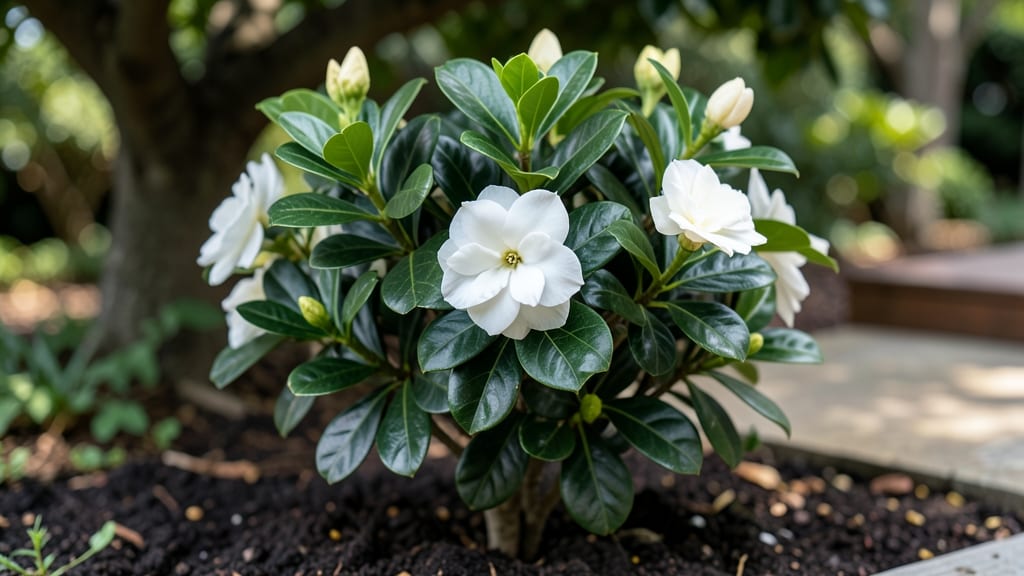
Frost-proof gardenia height depends on pruning timing and variety selection—most stay between 3 and 6 feet when cared for properly, but cold exposure can stunt growth if you don’t act fast.
Struggling to keep your gardenia compact and blooming beautifully while protecting it from frost? The secret lies in strategic pruning—without stunting its natural growth or sacrificing those stunning flowers. Many gardeners overlook how late-winter cuts can actually boost frost resilience while controlling height.
In Zone 9b and colder, gardenias like Radicans or Fortuniana varieties handle frost better than others, but even the hardiest types need a 3-step pruning plan to thrive. Skip the wrong timing, and you’ll end up with leggy, weak stems that struggle to rebound after cold snaps.
Below, I’ll show you exactly when to trim, how much to cut back, and the one pruning mistake that kills blooms—plus how to fix it before next winter. Your gardenia’s height (and those fragrant blooms) will thank you.

How frost-proof gardenia height works: understanding growth zones and pruning timing
If you've ever struggled to keep your gardenia compact while protecting it from frost, you're not alone. These stunning shrubs thrive in USDA zones 8-11, but their height growth slows dramatically when temperatures drop below 25°F (-4°C).
The key to maintaining a frost-proof gardenia height lies in understanding how cold triggers dormancy—and when to prune to encourage healthy regrowth without sacrificing those iconic blooms.
Cold weather forces gardenias into a dormant phase, where growth halts to conserve energy. This natural pause means pruning at the wrong time can stunt growth or even kill new buds.
The solution? Strategic pruning timed with the plant's active vs. dormant cycles, paired with zone-specific care. Let's break down how to control height while keeping your gardenia resilient against frost.
🌱 Key Insight: Gardenias in zones 8-9 can tolerate light frost (28°F/-2°C), but prolonged cold (20°F/-7°C) damages foliage and slows growth. In zone 10-11, they grow year-round, but pruning timing still dictates height control.
| Growth Phase | USDA Zone | Pruning Window | Height Impact | Frost Risk |
|---|---|---|---|---|
| Dormant (Winter) | 8-9 | Late February (after last frost) | Minimal growth; prune to shape | High (below 28°F) |
| Dormant (Winter) | 10-11 | January-February | No pruning; focus on soil health | Low (rare frost) |
| Active (Spring) | 8-11 | March-April (after buds swell) | Encourages 12-18" growth per year | Moderate (early spring frost) |
| Blooming (Summer) | 8-11 | Avoid pruning (focus on deadheading) | Maintains height; no new growth | None (peak resilience) |
| Pre-Dormant (Fall) | 8-9 | October-November (before 50°F) | Light pruning to remove dead wood | Moderate (fall frost) |
Pruning in late winter (zones 8-9) or early spring (zones 10-11) aligns with the plant's natural growth cycle. When you prune during dormancy, you remove last year's growth without disrupting new buds forming at the base.
This approach ensures your gardenia stays compact (3-4 ft for dwarf varieties) while maintaining frost resistance.
In zone 10-11, where frost is rare, pruning in January-February prevents overgrowth and keeps the plant manageable. The trick is to cut back 1/3 of the oldest stems while leaving younger, healthier branches to drive new growth. This balance ensures your gardenia remains frost-proof and blooms abundantly.
One common mistake is pruning in fall, which can expose tender new growth to frost damage. Always wait until after the last frost date in your zone.
For example, in zone 9, prune in late February, while in zone 8, delay until March to avoid cold snaps.
To control height effectively, focus on selective pruning—never remove more than 1/3 of the plant's foliage at once. Use clean, sharp shears to cut 1/4 inch above a leaf node, which encourages bushier growth.
This method keeps your gardenia within your desired height range (3-6 ft) while preserving its natural frost resilience.
Another critical factor is soil temperature. Gardenias won’t thrive if the soil stays below 60°F (15°C) for extended periods
Step-by-step pruning guide to control frost-proof gardenia height without killing blooms
Pruning your frost-proof gardenia correctly is the key to maintaining its compact height while ensuring those fragrant blooms return year after year. The right technique prevents frost damage from spreading and encourages a denser, bushier shape that’s more resilient to cold snaps.
Start by gathering your tools: sharp bypass pruners, sterilized rubbing alcohol, and gloves to protect your hands from thorns.
Timing is critical—prune your gardenia in late winter or early spring, just as new growth begins. This ensures you’re not cutting back dormant branches that might have already suffered frost damage. Avoid pruning in fall, as this can stimulate tender new growth that won’t survive winter.
If your gardenia has suffered frost damage, wait until spring to assess and prune only the dead or brown wood.
Step-by-Step Pruning Process
- Step 1: Inspect your gardenia for frost damage. Look for brown or blackened branches—these are dead and should be removed entirely at the base. Healthy wood is green or light brown inside when cut.
- Step 2: Use sterilized pruners to make clean cuts at a 45-degree angle, 1/4-inch above a leaf node. This encourages new growth from the right spot. Never leave stubs, as they attract disease.
- Step 3: Shape your gardenia by thinning out crowded branches to improve airflow. Remove no more than 1/3 of the plant’s foliage in one pruning session to avoid stress. Focus on overlapping or crossing branches first.
- Step 4: Prune spent blooms by cutting back to the nearest leaf node. This redirects energy into new growth rather than seed production. Avoid "heading back" (cutting into old wood), as gardenias bloom on current-year wood.
- Step 5: After pruning, sterilize your tools with rubbing alcohol to prevent the spread of bacterial or fungal diseases. Apply a balanced, acid-loving fertilizer (like 10-10-10) to support recovery.
To check for healthy vs. dead wood, make a small cut on suspicious branches. If the inside is green or moist, it’s alive—leave it. If it’s dry, brown, or hollow, prune it out completely.
This step is crucial for frost-proofing your gardenia, as dead wood can’t recover and may harbor pests or disease.
After pruning, water deeply to help your gardenia recover. Mulch around the base with 2-3 inches of organic mulch (like pine bark) to insulate roots and retain moisture.
This is especially important if you’re in a transition zone (8-9), where frost can still occur unexpectedly. Avoid heavy mulch, which can suffocate roots.
Monitor your gardenia’s new growth over the next few weeks. Healthy branches will sprout new leaves within 4-6 weeks. If you notice yellowing leaves or stunted growth, adjust your watering or fertilizer routine.
Remember, the goal is to encourage a compact, frost-resistant shape without sacrificing blooms—patience and precision pay off!
With this method, your frost-proof gardenia will stay manageable in height while still producing abundant, fragrant flowers season after season. Happy pruning! 🌿✂️🌸