
Container Gardens
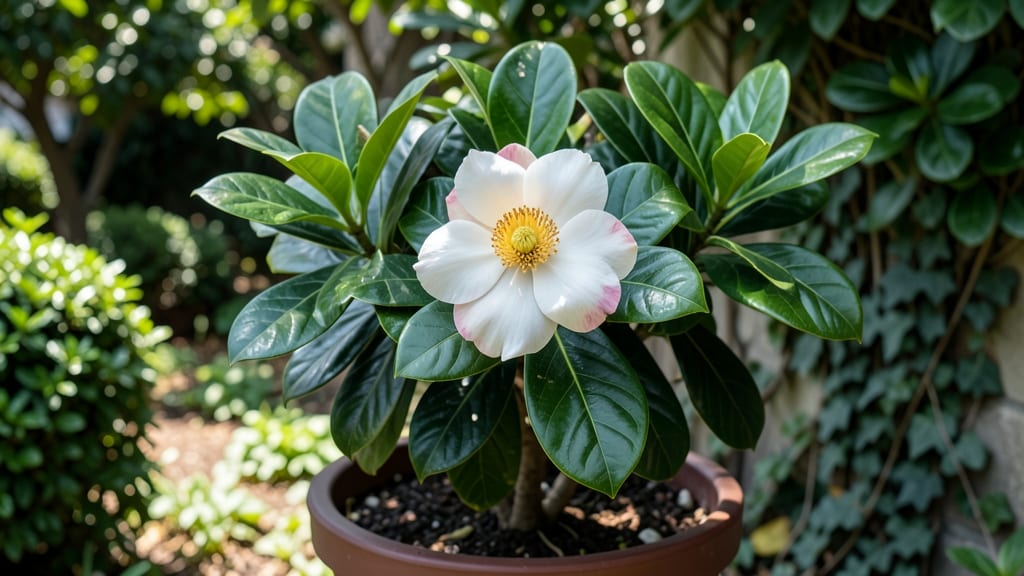
Growing gardenias in the right zone is the key to fragrant blooms that last all season 🌸 — and zones 7 through 11 are where these tropical beauties truly shine.
Struggling to keep yours alive? The problem might be timing. Plant too early, and a late frost will nip them back. Too late, and the heat arrives before they set buds.
I’ve lost count of the gardenias I’ve killed by ignoring the zone rules, but here’s what finally worked for me.
Below, I break down the exact planting windows for each zone, how to prep soil for acidic-loving roots, and the one trick that saves gardenias in marginal climates — even if you live in zone 6 or below.
You’ll also discover which varieties handle cooler temps best, how to protect them from winter damage, and when to fertilize for maximum blooms without burning the leaves. Let’s get those gardenias thriving.
USDA growing Zones for gardenias: where and when to plant
Gardenias (🌸) thrive in USDA Hardiness Zones 7 through 11, where they bask in warm climates and hummingbird-friendly blooms. These tropical shrubs are frost-sensitive, so knowing your zone determines when to plant and how to protect them from winter chill.
In Zone 7, gardenias need extra care, while Zones 10-11 allow year-round planting. Let’s break down the ideal zones, frost risks, and exact planting windows for each to maximize those fragrant white blooms you love.
Your USDA zone isn’t the only factor—microclimates matter too. A sheltered spot near a south-facing wall can push your gardenia’s range into Zone 6 with winter protection. Meanwhile, coastal areas in Zone 9 may experience milder winters, allowing earlier spring planting.
Always check your last frost date and adjust planting times accordingly for root establishment before summer heat.
Gardenias despise frost—even a light freeze can damage leaves and buds. In Zones 7-8, plant after the last frost date (typically April-May) to avoid winterkill.
For Zones 9-11, you can plant year-round, but spring or fall gives roots time to settle before extreme heat or cold. Container gardeners in cooler zones have an advantage—they can move pots indoors or under cover during winter.
Here’s a quick reference for ideal planting months by zone to ensure your gardenia blooms its best:
| USDA Zone | Best Planting Window | Frost Risk | Microclimate Tip |
|---|---|---|---|
| 7a-7b | Late April-May | High (below 20°F) | Use mulch and winter wraps; plant near walls. |
| 8a-8b | March-April | Moderate (below 15°F) | Choose sheltered spots or containers for flexibility. |
| 9a-9b | February-May | Low (below 25°F) | Coastal areas: plant year-round. |
| 10a-11 | Year-round | None | Prune after blooms to encourage new growth. |
In Zone 7, gardenias need extra protection—think mulch blankets and winter wraps to shield roots from freezing. I’ve had success planting mine against a brick wall where the heat radiates back, creating a microclimate that mimics Zone 8.
For Zones 8-9, aim for March-April planting to avoid summer’s scorching heat while roots establish.
Gardenias in Zones 10-11 are the lucky ones—they can be planted anytime, but spring or fall still gives them a head start. Here, focus on soil acidity (pH 5.0-6.5) and consistent moisture rather than frost dates.
If you’re in a coastal Zone 9, you might even see year-round blooms with proper care!
Pro tip: Test your soil’s pH before planting—gardenias hate alkaline soil. Amend with peat moss or sulfur to keep it acidic. I once killed a gardenia by planting it in garden soil with a pH of 7.2—the leaves yellowed within weeks!
Adjusting the soil saved my next plant, and now it blooms like crazy every summer.
For container gardeners in Zones 6 or below, use large pots (15+ gallons) and move them indoors during winter. I’ve grown gardenias in Zone 5 this way, bringing them into a sunroom when temps drop below 30°F.
Just ensure your container has drainage holes to prevent root rot—gardenias detest soggy feet.
Remember, timing is everything. Plant too early in Zone 7, and frost will kill your young shrub. Plant too late in Zone 10, and summer heat might stress it.
Follow the zone-specific windows above, and you’ll be rewarded with lush, fragrant blooms that attract hummingbirds all season long. 🌸
Best planting timelines by Zone: month-by-month guide
Timing is everything when planting gardenias—especially since these fragrant shrubs are sensitive to frost and transplant shock. In USDA Zones 7-11, the ideal planting window shifts based on your local climate. Plant too early, and your gardenia may suffer from root shock or winter damage.
Plant too late, and it won’t establish strong roots before summer heat arrives. Let’s break down the perfect schedule for each zone to ensure your gardenia thrives from day one.
For Zones 10-11, gardenias can be planted year-round thanks to mild winters. However, in Zones 7-9, timing becomes critical. The goal is to plant when soil temperatures are warm enough to encourage root growth but not so hot that the plant wilts.
In cooler zones, aim for early spring (March-April) to give roots time to establish before summer’s peak heat. In warmer zones, fall planting (September-October) can also work, but spring is still preferred.
- Zones 7a-7b: Plant in late April to early May after the last frost date. Amend soil with peat moss to lower pH and improve drainage.
- Zones 8a-8b: Ideal window is March to early April. Water deeply every 2-3 days for the first month to reduce transplant shock.
- Zones 9a-9b: Plant in February to March or September to October. Mulch heavily to retain moisture and protect roots from temperature swings.
- Zones 10-11: Plant year-round, but avoid peak summer heat (June-August). Use shade cloth if transplanting during hot months.
- All Zones: Soak roots in water for 1-2 hours before planting to hydrate and reduce stress. Bury the root ball slightly deeper than it was in the nursery pot.
After planting, focus on soil health and hydration. Gardenias demand acidic soil (pH 5.0-6.5) and consistent moisture. In Zones 7-9, apply a 2-3 inch layer of mulch (like pine bark) to insulate roots from summer heat and winter frost.
In Zones 10-11, prioritize shade during afternoon hours to prevent leaf scorch. Avoid fertilizing for the first 6-8 weeks—let roots establish before introducing nutrients.
One common mistake gardeners make is overwatering after planting, which can drown roots. Instead, water deeply but infrequently—aim for 1-2 gallons per plant every 2-3 days in summer.
In Zones 7-8, reduce watering slightly in fall and winter to mimic natural dormancy. For container-grown gardenias, water every 1-2 days since pots dry out faster.
In Zones 7a-7b, winter protection is key. After the first frost, wrap the base of the plant with burlap or frost cloth and add a thick mulch layer. In Zones 8-9, gardenias can handle light frosts, but young plants may need temporary shade cloth during cold snaps.
Prune lightly in late winter to remove dead wood and shape the shrub. Avoid heavy pruning, as gardenias bloom on new wood.
With the right timing and care, your gardenia will reward you with glossy foliage and intoxicating blooms by mid-summer. The key is patience and consistency—whether you’re in frost-prone Zone 7 or tropical Zone 11.
Follow this month-by-month guide, and you’ll avoid the pitfalls of root shock, winter damage, and poor blooming. Happy planting! 🌸