Container Gardens
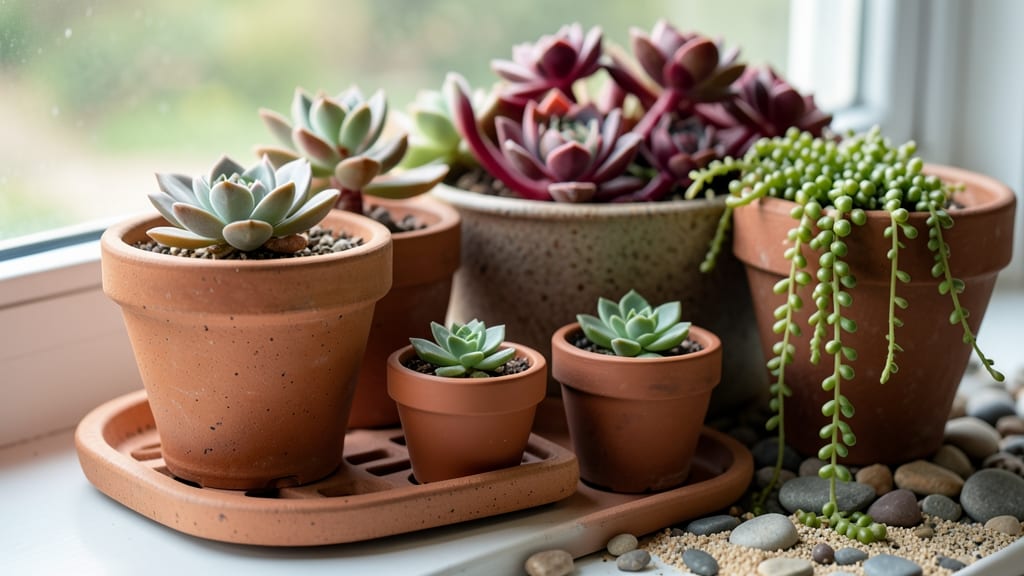
Using clay garden pots 🏺 transforms your outdoor space into a rustic, functional haven—but only if you pick the right ones and care for them properly.
Picture this: a set of handmade clay pots, still going strong after 20 years, holding herbs and succulents with ease. The secret isn’t just luck—it’s about choosing the right material, size, and placement to avoid cracks and breakage.
These timeless containers aren’t just pretty; they’re breathable, durable, and perfect for everything from Mediterranean herbs to drought-resistant plants. But without the right care, even the sturdiest clay pot can crack under stress.
In this guide, I’ll show you how to select the most long-lasting clay pots, maintain them season after season, and avoid the common mistakes that ruin them faster than you’d think.
How to choose the most durable clay garden pots for your plants
Choosing the right clay garden pots means the difference between containers that last decades and ones that crack within a season. The key lies in understanding the two main types—terracotta and stoneware—and how their unique properties affect durability.
Terracotta, with its porous nature, breathes easily but requires more frequent watering, while stoneware offers a glossy finish that protects against moisture loss but can trap heat in hot climates.
Your climate conditions play a huge role too. In freezing winters, unglazed terracotta pots can crack if not properly winterized, while glazed stoneware holds up better. For hot, dry summers, terracotta’s breathability helps prevent root rot, but its porousness means you’ll need to water more often.
Matching your pot choice to both your local weather and plant needs is the first step to long-lasting containers.
Glaze type is another critical factor. Unglazed terracotta pots allow for better air circulation, which is ideal for succulents and herbs, but they’re more prone to drying out. Glazed pots, on the other hand, retain moisture longer and are better suited for moisture-loving plants like ferns or calatheas. However, glazed finishes can trap heat, which might stress heat-sensitive plants in full sun.
Now let’s compare the two most popular clay pot types side by side to help you make an informed decision:
When selecting pots, consider the weight and size relative to your plants. Heavy stoneware pots are ideal for large shrubs or small trees, while lightweight terracotta pots work better for herbs or annuals.
For container gardening, always choose pots with drainage holes—even if you’re using them for moisture-loving plants—to prevent root rot. A pot that’s too small will stunt growth, while one that’s too large can lead to overwatering and cracked pots.
For herbs like basil or thyme, shallow terracotta pots work perfectly—they dry out quickly, which these plants prefer. Meanwhile, succulents and cacti thrive in unglazed terracotta because it mimics their natural arid environments.
If you’re growing moisture-loving plants like ferns or calatheas, opt for glazed stoneware to retain humidity and prevent the soil from drying out too fast.
Don’t overlook the structural integrity of your pots. Look for thick walls and sturdy bases—thin-walled pots are more prone to cracking, especially in freeze-thaw cycles. If you live in a cold climate, invest in glazed pots or use pot sleeves to protect them during winter.
In hot climates, terracotta’s ability to dissipate heat makes it a better choice than glazed pots, which can scorch roots.
Pro tip: Test a pot’s durability by tapping it gently—if it sounds hollow or has thin spots, it’s more likely to crack. For long-term use, prioritize pots with a glossy glaze if you’re in a humid area or growing moisture-loving plants.
If you’re in a dry climate, unglazed terracotta will save you watering time and keep roots cool.
Finally, think about aesthetics and functionality. Clay pots come in endless shapes, sizes, and colors, so choose ones that complement your garden’s style. For modern gardens, sleek glazed pots work well, while rustic terracotta adds charm to cottage-style spaces.
The right pot not only lasts longer but also enhances your garden’s overall look.
5 Proven maintenance tips to extend the life of your clay pots
Clay pots are classic garden staples, but their porous nature and fragility demand special care. Without proper maintenance, even the sturdiest terracotta can crack or degrade prematurely. I’ve learned that seasonal adjustments—like winterizing and cleaning—make all the difference in extending their lifespan for years of use.
Start by addressing the biggest threat: moisture fluctuations. Clay absorbs and releases water quickly, which causes expansion and contraction. This cycle weakens the structure over time, leading to unsightly cracks or even complete breaks. The key is balancing hydration while protecting your pots from extreme conditions.
-
1
Prevent Cracks with Smart Watering
Water clay pots deeply but infrequently—never let them sit in standing water. Use a self-watering liner or gravel base to improve drainage and reduce stress on the pot walls. -
2
Winterize with Protection
Before first frost, move pots indoors or wrap them in bubble wrap. Unglazed clay needs extra care—cover with a plastic sheet to shield from freezing temperatures that cause irreversible cracks. -
3
Clean with Gentle Solutions
Scrub pots with a mild vinegar solution (1:3 ratio) to remove mineral deposits. Avoid bleach or abrasives, which weaken the clay over time. Rinse thoroughly to prevent salt buildup. -
4
Repair Minor Damage Early
For small cracks, use epoxy putty designed for ceramics. Fill the crack, let it dry, and seal with clear varnish to prevent further erosion. Replace pots with large cracks—they’re safety hazards and won’t last. -
5
Rotate Plants Seasonally
Swap out heavy plants (like tomatoes) for lighter ones (like herbs) in summer to avoid structural stress. Overloading pots accelerates wear—distribute weight evenly to maintain stability.
Another critical step is seasonal rotation. Heavy plants like tomatoes or citrus trees can stress clay pots, especially in summer heat. I swap them out for lighter herbs or succulents to reduce strain. This simple habit prevents uneven wear and keeps your pots looking fresh.
Don’t overlook the bottom of your pots. Over time, mineral deposits from water or fertilizers can clog drainage holes. I recommend soaking pots in a vinegar-water bath once a year to dissolve buildup. This keeps water flowing freely and prevents root rot in your plants.
Finally, know when to replace vs. repair. If a pot develops hairline cracks, sealing them with epoxy can buy time. But if the damage is extensive—like large fractures or crumbling edges—it’s time to retire the pot.
Investing in a new one is cheaper than risking root damage or accidents from broken containers.