Tools
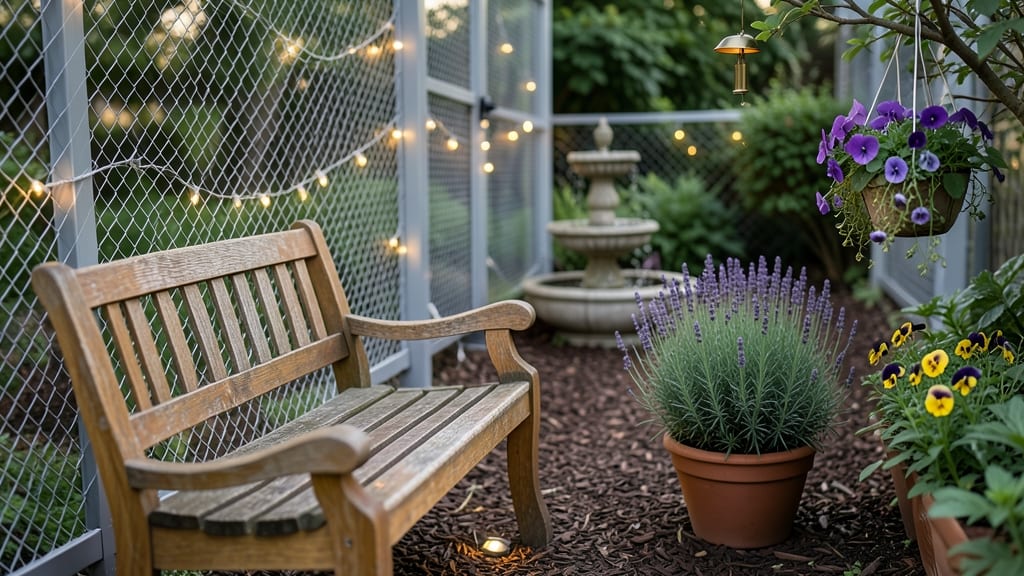
A screened-in garden creates a private, climate-controlled backyard retreat where you can grow plants, relax, or entertain without the bugs or wind.
Picture this: a cozy nook shielded from pests and prying eyes, yet bathed in natural light and surrounded by lush 🌿 screening plants that thrive in partial shade. It’s the perfect blend of outdoor living and garden sanctuary—no more sacrificing privacy or pest protection for a beautiful space.
Whether you’re dreaming of a greenhouse alternative, a shaded cultivation area, or an extended growing season, a screened-in design offers year-round enjoyment with minimal upkeep.
The right materials (wood, aluminum, or polycarbonate) and plant pairings (bamboo, ivy, or ornamental grasses) can turn even a small yard into a functional, stylish escape.
Below, I’ll walk you through 10 privacy-perfect layouts, material choices, and plant strategies to design your own screened-in oasis—one that feels like a natural extension of your home.
10 Screened-in garden layouts for maximum privacy and functionality
A screened-in garden lets you enjoy the outdoors without sacrificing privacy or protection from pests. Whether you have a spacious backyard or a tiny urban patio, these 10 layouts blend functionality with beauty.
Each design balances screen materials (wood, aluminum, polycarbonate) with privacy plants like bamboo, ivy, and ornamental grasses to create a tranquil retreat.
For small spaces, consider vertical gardens or corner enclosures that maximize square footage. Larger yards can accommodate greenhouse-style or multi-level terraces with built-in seating. The key is choosing permeable screens that allow airflow while blocking wind and insects, paired with fast-growing foliage for instant privacy.
Here’s how to match your space and style to the perfect screened-in layout:
For small yards, prioritize vertical designs like the vertical garden wall or corner enclosure. These layouts use space-saving screens (e.g., fiberglass or vinyl mesh) and compact plants like pothos or dwarf bamboo. Install freestanding frames or attach screens to fences for a seamless look.
If you’re working with a sloped yard, multi-level terraces create visual interest while adding functional areas. Use wood lattice screens for a rustic vibe and plant ornamental grasses along the edges. Add built-in benches to maximize comfort and storage for gardening tools.
For year-round enjoyment, a greenhouse-style or sunroom extension with polycarbonate panels lets sunlight in while keeping pests out. Pair with low-maintenance plants like ferns or palms that thrive in humidity-controlled environments. These layouts are ideal for extended growing seasons or cozy reading nooks.
Don’t overlook DIY options like the screened gazebo. Using PVC pipes and mesh screens, you can create a custom enclosure for under $200. Add climbing roses or clematis for natural beauty and seasonal color.
This layout is perfect for patio dining or a relaxation spot with minimal investment.
When selecting screen materials, consider durability and aesthetics. Aluminum mesh resists rust and blends with modern designs, while wood lattice adds warmth but requires **season
How to choose screens and plants for year-round privacy
A screened-in garden starts with the right materials and plants to block views while letting light and air flow through. The key is balancing permeability, durability, and aesthetics—whether you choose DIY panels or pre-fabricated systems.
For example, bamboo screens offer natural beauty but may need replacing every 5-10 years, while aluminum lattice lasts decades with minimal upkeep.
Climate plays a huge role. In windy areas, opt for dense woven screens or polycarbonate panels to reduce noise and drafts. Humid regions benefit from moisture-resistant materials like cedar or treated vinyl. Always check your USDA hardiness zone—some plants thrive in Zone 6a but struggle in hotter climates.
Screen Materials: Pros & Cons
✅ Pros:
- Natural, rustic look
- Biodegradable
- Good airflow
❌ Cons:
- Short lifespan (5-10 years)
- Attracts termites
- Limited color options
✅ Pros:
- Rust-proof
- Lightweight
- Customizable patterns
❌ Cons:
- Can warp in heat
- Less insulation
- Higher upfront cost
✅ Pros:
- UV-resistant
- Lightweight
- Insulating properties
❌ Cons:
- Can yellow over time
- Limited ventilation
- Higher cost than wood
✅ Pros:
- Natural beauty
- Resistant to rot
- Good insulation
❌ Cons:
- Requires sealing
- Warps in humidity
- Limited to 15-20 years
For year-round coverage, pair screens with fast-growing plants that fill gaps quickly. Bamboo and ornamental grasses reach 6-10 feet in 2-3 years, while ivy and climbing roses add vertical interest without overwhelming your space.
Rotate seasonal plants—like holly bushes for winter structure and clematis for summer blooms—to maintain privacy and visual appeal.
Low-maintenance options include evergreen shrubs like boxwood or arborvitae, which stay green year-round. If you prefer perennials, Russian sage and butterfly bush provide height and color with minimal care. Always check mature plant sizes—some varieties like bamboo can spread aggressively if not contained.
Install screens at 6-8 feet tall for standard privacy, but add a second tier if your yard is visible from above. For DIY projects, use PVC frames and landscape fabric for a budget-friendly option, while pre-fabricated screens offer pre-drilled holes and easy assembly.
Always secure screens with concrete footings or ground stakes to prevent wind damage.
Finally, consider light filtration. If your garden gets 6+ hours of sun, choose semi-permeable screens to allow airflow while blocking UV rays. For shadier spaces, opt for opaque materials like solid polycarbonate to maximize plant growth.
With the right combo of materials and plants, your screened-in garden will stay private, lush, and inviting all year.