
Vegetables
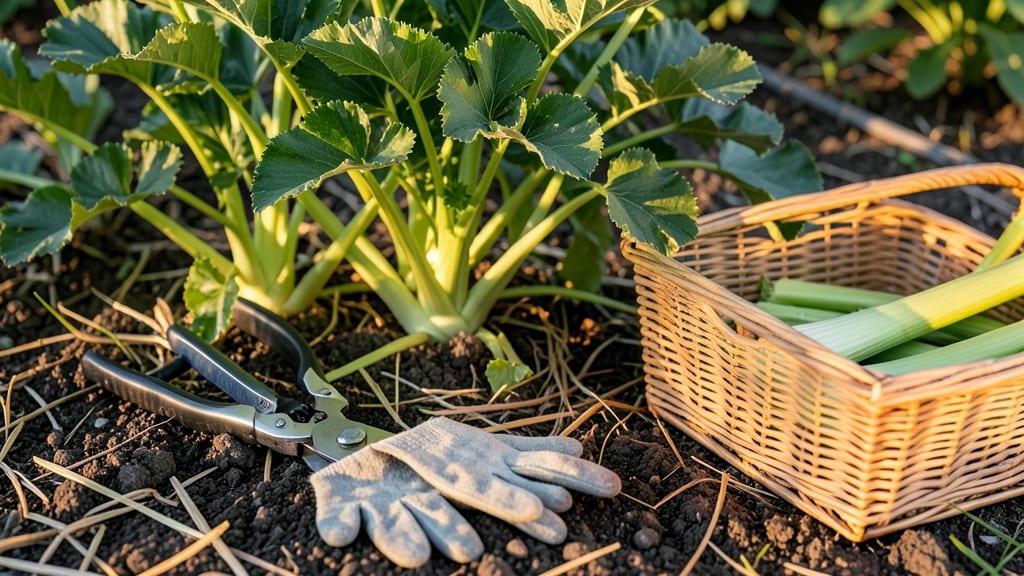
Harvesting garden celery at the right time means the difference between crisp, flavorful stalks and bitter, woody disappointment—yet most gardeners struggle to time it right before bolting ruins their crop.
Picture this: you’ve nurtured your 🥬 plants all season, keeping the soil moist and the shade just right, only to pull a stalk that snaps like a dry twig. That’s the frustration of missing the harvest window, and it happens more often than you’d think.
Celery thrives when harvested at 70-100 days after planting, with stalks about ½-inch thick and leaves reaching 12-18 inches tall. Waiting too long triggers bolting, while harvesting too early means small, tough stalks that lack the sweetness you crave.
In this guide, I’ll show you exactly how to spot the perfect moment to harvest, the best tools to use, and simple post-harvest care tricks to keep your celery fresh for weeks—no bitter surprises included.


Optimal celery harvest timing: days to maturity and size indicators
Celery thrives when harvested at the perfect maturity window—typically between 70 to 100 days after planting. This timing ensures crisp, flavorful stalks instead of bitter, woody disappointment. Understanding these days to maturity and size indicators prevents bolting, a common issue where celery prematurely flowers and becomes unusable.
Most gardeners wait too long, assuming bigger stalks mean better flavor. But over-mature celery develops tough fibers and a harsh taste. The key lies in monitoring stalk thickness and leaf growth—two critical visual cues that signal harvest readiness.
For peak quality, aim for 1/2-inch-thick stalks with leaves reaching 12-18 inches tall. These dimensions correlate with the ideal harvest window, where the plant’s energy is balanced between growth and flavor development.
Here’s a quick reference to compare harvest-ready celery with under-mature or over-mature plants:
| Stage | Days to Maturity | Stalk Thickness | Leaf Height | Harvest Readiness |
|---|---|---|---|---|
| Early Growth | 20-40 days | <1/4 inch | Under 6 inches | Not ready |
| Ideal Harvest | 70-100 days | 1/2 inch | 12-18 inches | Perfect |
| Over-Mature | 100+ days | >3/4 inch (woody) | 18+ inches | Bitter, tough |
| Bolting Risk | 120+ days | Thin or uneven | Stunted growth | Unusable |
Bolting occurs when celery senses temperature stress or daylength changes, triggering flower production. This is why fall-planted celery in cooler climates often bolts earlier—it mistakes shorter days for a signal to reproduce.
To avoid this, harvest when stalks reach 1/2-inch diameter and leaves are vibrant green. Use a ruler or caliper for precision—this simple tool ensures you don’t miss the sweet spot between tenderness and toughness.
Pro tip: Pinch off flower buds if they appear before harvest. This redirects the plant’s energy back to stalk growth, buying you 1-2 extra weeks of harvestable celery.
For self-blanching varieties, like Golden Self-Blanching, the harvest window narrows to 60-80 days. These types develop lighter stalks naturally, so monitor their leaf color shifts—a sure sign they’re ready to pick.
Remember, consistent moisture is non-negotiable. Drought stress accelerates bolting, so mulch heavily and water deeply in the morning to keep roots happy.
By mastering these timing cues, you’ll transform your garden into a crisp, flavorful celery powerhouse—no bitter surprises included. 🥬
How to harvest celery without triggering bolting (step-by-step)
Harvesting celery at the right time is an art—cut too early, and you lose flavor; wait too long, and your plants bolt (send up flower stalks), ruining the tender stalks you’ve worked so hard to grow.
The key is knowing when and how to harvest to maximize yield while preventing stress. With the right techniques, you can enjoy crisp, flavorful celery for weeks after harvest.
Bolting happens when celery senses heat stress or maturity signals, causing it to shift energy from leafy growth to seed production. To avoid this, you’ll need to use precise cutting methods, the right tools, and proper post-harvest care.
Let’s break it down step by step so you can harvest like a pro.
Step-by-Step Celery Harvest Guide
- 1 Choose the right time: Harvest when stalks are ½-inch thick and leaves reach 12–18 inches tall. Outer leaves should be yellowish-green, not fully mature.
- 2 Use sharp tools: Grab a clean, sharp knife or pruning shears to avoid crushing stalks. Dull tools cause bolting stress and damage.
-
3
Decide on harvest method:
- Topping: Cut outer stalks 1 inch above soil to encourage regrowth (best for self-blanching varieties).
- Full harvest: Cut entire plant 2 inches above base for final harvest (avoid if plants are stressed).
-
4
Avoid these mistakes:
- Harvesting in heat: Wait until morning when temps are below 80°F.
- Overcrowding: Thin plants to 6 inches apart to reduce competition.
- Ignoring soil moisture: Keep soil consistently moist—drought triggers bolting.
- 5 Post-harvest care: Store celery in plastic bags with a damp paper towel in the fridge. Refrigerate for up to 2 weeks for maximum crispness.
If you’re harvesting for regrowth, focus on topping the outer stalks and leave the center intact. This method works best with self-blanching varieties like Golden Self-Blanching, which tolerate multiple harvests. For standard varieties, a full harvest is best to prevent bolting entirely.
Remember, consistent moisture and cool temperatures are your best defenses against bolting. If your celery starts sending up flower stalks, it’s a sign you waited too long—next time, harvest when stalks are ½-inch thick and leaves are lush but not overripe.
With these steps, you’ll enjoy crisp, homegrown celery without the bitter disappointment of bolting. Happy harvesting! 🥬