Planting
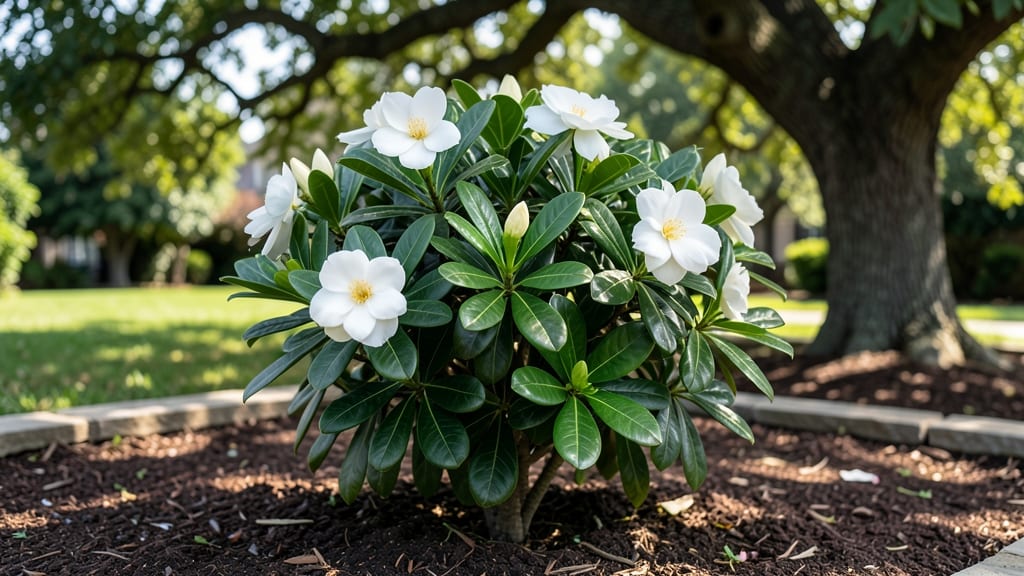
Understanding a gardenia plant's size is the first step to choosing the right variety for your space — these fragrant shrubs can range from 2-foot dwarfs to 6-foot giants at maturity.
If you're dreaming of fragrant white blooms but wondering whether a gardenia will fit your space, size matters — especially since varieties range from compact dwarf shrubs to towering small trees. The wrong choice could mean pruning headaches or wasted garden real estate.
In this guide, I’ll break down the mature heights of popular gardenias like 'Kleim’s Hardy', which stays around 3-4 feet, versus tropical varieties that can reach 6 feet or more. You’ll also learn how container gardening shrinks their footprint and how pruning can keep them in check.
By the end, you’ll know exactly how much space to plan for — whether you’re tucking one into a patio pot or letting it thrive as a foundation plant in your Zone 6 garden.

Gardenia plant size by variety: height and growth habits compared
Choosing a gardenia variety isn’t just about fragrance—it’s about space planning. Some varieties stay compact enough for patio containers, while others reach small tree heights in your landscape. I’ve grown gardenias for over a decade, and the size differences are dramatic.
For example, my 'Radicans' gardenia fits perfectly on my balcony, while my 'Crest' variety towers over my garden beds.
Understanding these differences helps you select the perfect gardenia for your space. Whether you’re a container gardener or designing a garden bed layout, knowing mature sizes prevents overcrowding and ensures healthy growth.
Let’s break down the most popular varieties and their growth habits so you can make an informed choice.
| Variety | Mature Height (ft) | Mature Width (ft) | Growth Rate (in/year) | Container Suitability | USDA Zones |
|---|---|---|---|---|---|
| 'Radicans' | 2-3 ft | 3-4 ft | 6-12 | Excellent (15+ gal) | 7-11 |
| 'Kleim’s Hardy' | 3-4 ft | 4-5 ft | 8-15 | Good (20+ gal) | 6-10 |
| 'Crest' | 4-6 ft | 5-7 ft | 12-18 | Poor (needs ground) | 8-11 |
| 'Fortuniana' | 6-8 ft | 6-8 ft | 15-20 | Not recommended | 9-11 |
| 'Veitchii' | 2-3 ft | 3-4 ft | 6-10 | Excellent (15+ gal) | 10-11 |
My 'Radicans' gardenia is my go-to for containers because it stays under 3 feet tall and spreads just 3-4 feet wide. This makes it perfect for balcony gardens or patio pots.
I’ve seen it grow 6-12 inches per year, which is ideal for small spaces. If you’re in USDA Zones 7-11, this variety thrives outdoors year-round.
For garden beds, I recommend 'Kleim’s Hardy' because it’s cold-hardy down to Zone 6 and reaches 3-4 feet tall. This variety grows 8-15 inches annually, so it fills space faster than tropical varieties.
I planted mine 3 feet apart to give it room to spread 4-5 feet wide, and it’s bloomed beautifully every spring.
If you have a sunny garden corner and want a statement plant, 'Crest' gardenias are stunning but need space. They grow 4-6 feet tall and 5-7 feet wide, making them better suited for ground planting rather than containers.
Their growth rate of 12-18 inches per year means they’ll fill a spot quickly, but they require well-draining soil and acidic conditions to thrive.
The 'Fortuniana' variety is the tallest, often reaching 6-8 feet tall and wide, making it more of a small tree than a shrub. This variety grows 15-20 inches per year, so it’s best for large landscapes or as a privacy screen. It’s only suitable
How to control gardenia size through pruning and training
Pruning your gardenia isn't just about keeping it tidy—it's the key to controlling its height and shape while encouraging more fragrant blooms. Whether you want a compact bushy gardenia for containers or a taller specimen for your landscape, strategic pruning makes all the difference.
The best time to prune is right after flowering (late spring to early summer), when the plant has finished its bloom cycle but still has energy to recover.
Start by identifying your gardenia's growth habit. Some varieties like 'Radicans' grow more sprawling, while 'Crest' reaches upward. Your pruning approach should match the variety's natural tendencies.
For example, dwarf varieties need minimal pruning, while standard gardenias benefit from regular height control. Always use clean, sharp pruners to avoid damaging stems and inviting disease.
Examine the plant for dead or crossing branches. Remove these first—they compete for nutrients and disrupt airflow. Use a 1/4-inch cut above a leaf node or bud to encourage new growth.
To reduce height, cut back 1/3 of the tallest stems to just above a leaf node. For bushier growth, trim back new growth by 1/2 to encourage branching. Avoid cutting into old wood—it rarely produces new blooms.
Thin out dense inner branches to improve air circulation and reduce disease risk. Aim for an open, vase-like shape—this allows sunlight to reach all parts of the plant, which is crucial for bloom production.
For young gardenias, pinch off the top set of leaves on new growth. This redirects energy to side shoots, creating a fuller plant. Do this in early summer for best results before the next bloom cycle.
After pruning, sterilize your tools with rubbing alcohol to prevent bacterial spread. Remove all pruned debris from the area—this reduces pests and diseases that thrive in organic matter.
Training your gardenia is just as important as pruning. If you're growing it in a container, choose one that's 2-3 inches larger than the root ball to limit growth.
For in-ground plants, stake young gardenias to guide their growth direction and prevent flopping. Use soft ties to avoid damaging the bark as the plant grows.
Remember, over-pruning can stress your gardenia and reduce blooms. Never cut back more than 1/3 of the plant in a single session, and avoid pruning in late summer or fall—this can stimulate tender new growth that won’t survive winter.
With patience and consistency, you’ll shape a gardenia that fits your space perfectly while still producing those show-stopping blooms.
🌿✂️🌸