
Blooming
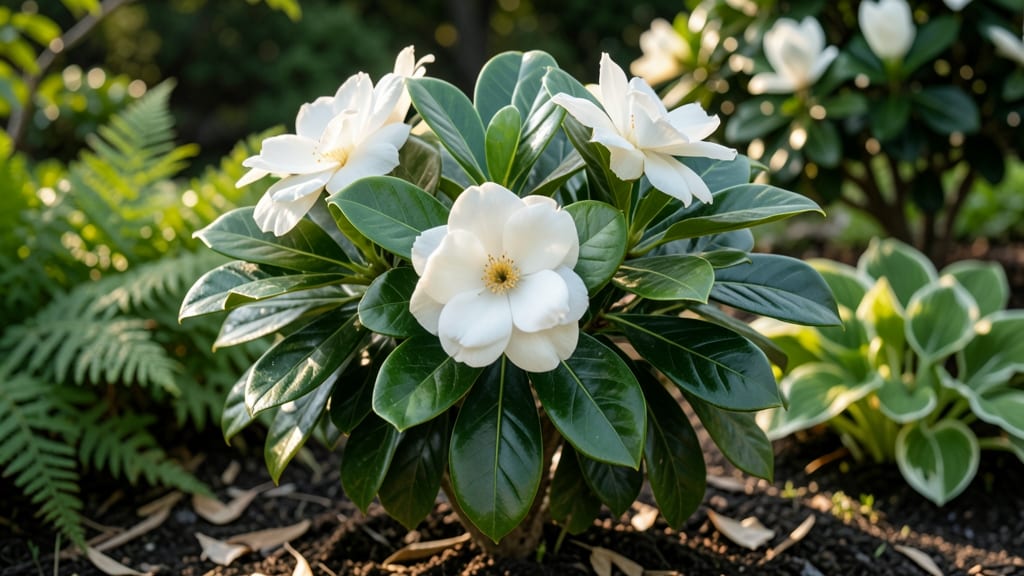
Gardenia blooms in Florida typically arrive between March and July, with peak fragrance filling the air by spring’s end 🌸 — but the exact timing depends on your variety and whether you’re in North or South Florida.
If you’ve ever waited patiently for your gardenia to burst into bloom, only to be met with silence, you’re not alone. Florida’s climate zones shift bloom windows by up to two months, and even the hardiest varieties need the right care to perform.
What you’ll discover here is how to match your gardenia’s bloom schedule to your zone, from the earlier flushes in South Florida’s heat to the delayed bursts in North Florida’s cooler springs. Plus, the simple tweaks—like pruning at the right time or adjusting your watering—that make all the difference.
Ready to turn your gardenia into a year-round fragrant star? Let’s break down the science (and secrets) behind those creamy-white blooms.
Gardenia bloom seasons in Florida by variety: exact months and peak times
Florida’s gardenias are famous for their intoxicating fragrance, but their bloom timing depends heavily on the variety and your specific climate zone. In North Florida (USDA Zones 8a-8b), cooler winters can delay blooms, while South Florida (Zones 10a-11) enjoys nearly year-round flowering.
Understanding these patterns helps you anticipate pruning, fertilizing, and even when to expect those signature white blooms.
Most gardenias in Florida bloom spring through early summer, but some varieties stretch into fall. The classic Gardenia jasminoides (common gardenia) is the most widely grown, while dwarf varieties like ‘Kleim’s Hardy’ or climbing types like Gardenia radicans have slightly different schedules.
Below, I’ve broken down the exact months for each type, plus how to adjust care for your zone.
Pro Tip: Gardenias bloom on new growth, so light pruning after flowering encourages next year’s flowers. Avoid heavy pruning in late summer—this removes next season’s buds! 🌸
| Variety | North FL (Zones 8a-8b) | Central FL (Zones 9a-9b) | South FL (Zones 10a-11) | Peak Months | Notes |
|---|---|---|---|---|---|
| Gardenia jasminoides (Common) | Late April–June | March–May | Year-round (peaks Feb–July) | May | Most fragrant; needs acidic soil. |
| Gardenia augusta (Dwarf) | May–July | April–June | Jan–Aug | June | Compact; great for containers. |
| Gardenia radicans (Climbing) | June–August | May–July | Feb–Sept | July | Vining habit; needs support. |
| ‘Kleim’s Hardy’ (Cold-tolerant) | Late May–July | April–June | Year-round | June | Survives brief frosts; slower growth. |
| ‘Radicans Veitchii’ (Climber) | July–Sept | June–Aug | March–Oct | August | Larger blooms; needs trellis. |
If you live in North Florida, your gardenias may take longer to bloom because cooler winters slow growth. Start fertilizing in early March with an acid-loving formula (like 8-4-8 NPK) to jumpstart blooms.
In Central Florida, gardenias often bloom earlier (as early as March), but heat spikes in summer can cause them to take a break—just like they do in South Florida’s monsoon season (June–September).
For South Florida gardeners, the real trick is consistent moisture and protection from afternoon sun. Gardenias here can bloom year-round, but they’ll produce the most flowers if you prune lightly after each flush (remove spent blooms but leave buds).
Mulch with pine bark to keep roots cool and acidic—this is non-negotiable for heavy bloomers! 🪴
One common mistake I see is assuming all gardenias bloom at the same time. For example, Gardenia radicans (the climbing type) often blooms later than standard varieties, while ‘Kleim’s Hardy’ might skip a year if winter temps dip below 28°F.
If your gardenia isn’t blooming by its expected peak month, check for overwatering (soggy roots = no flowers) or low light (they need morning sun but hate afternoon heat).
To extend the bloom season, try these tricks: - Feed lightly in late summer (August) with a low-nitrogen fertilizer to encourage fall blooms. - Water deeply in the morning to prevent stress from afternoon heat. - Prune after blooming (never in late summer!) to shape the plant and encourage next year’s buds. ✂️
How Florida’s climate Zones shift gardenia blooming times (and how to adapt)
Florida’s USDA Zones 8-10 create dramatic differences in gardenia bloom timing, with northern gardens (Zone 8) often seeing delayed blooms compared to southern regions (Zone 10). The key factors? Temperature fluctuations, humidity levels, and occasional frost threats in the north.
In Zone 9 (central Florida), you’ll typically enjoy year-round blooming with peak seasons from spring to early fall, while Zone 10 gardeners might see continuous flowering if conditions are ideal.
Even within the same zone, microclimates play a role—coastal areas stay warmer and more humid, encouraging earlier blooms, while inland spots may experience heat spikes that stress plants.
Understanding these patterns helps you time pruning, adjust watering, and extend bloom seasons by up to 2-3 months with the right care.
- Zone 8 (North Florida): Blooms late spring to summer (May-July) due to cooler winters and frost risk. Prune after last frost (Feb-March) to avoid damaged buds.
- Zone 9 (Central Florida): Year-round blooming with peaks in spring (March-May) and fall (Sept-Nov). Mulch heavily to protect roots during heat spikes (July-August).
- Zone 10 (South Florida): Continuous blooming if humidity stays high. Watch for bud drop in dry winter months (Dec-Feb); increase morning watering to prevent stress.
- All Zones: Prune after blooming to encourage next year’s flowers. Avoid heavy pruning in summer—it stresses plants in high humidity.
In Zone 8, where frost is a risk, gardenias often enter a dormant-like state in winter. To jumpstart blooms, apply a slow-release acidic fertilizer in early March and mulch with pine bark to insulate roots.
I’ve seen gardeners in Jacksonville extend their bloom season by 6 weeks using this method, with flowers appearing as early as April instead of June.
For Zone 9 and 10 gardeners, the challenge shifts to managing humidity and heat stress. In South Florida, where temperatures can soar above 90°F, gardenias may drop buds if they don’t get enough circulation.
I recommend pruning lightly in early summer to open up the canopy and water deeply in the morning to reduce fungal risks. A 50% shade cloth during peak afternoons can also protect blooms from sunburn.
One pro tip I’ve learned from Miami gardeners is to plant gardenias near a water feature or drip irrigation system. The increased humidity around the roots mimics their tropical origins and encourages longer bloom cycles.
Pair this with a monthly foliar spray of seaweed extract (diluted to 1 tbsp/gallon) to boost resilience during Florida’s summer heat waves.
No matter your zone, consistent care is key. Monitor your gardenias for yellowing leaves (a sign of overwatering) or bud drop (often caused by low humidity), and adjust your routine accordingly.
With the right zone-specific adjustments, you can enjoy gardenias in bloom nearly year-round, even in Florida’s most challenging climates.