
Blooming
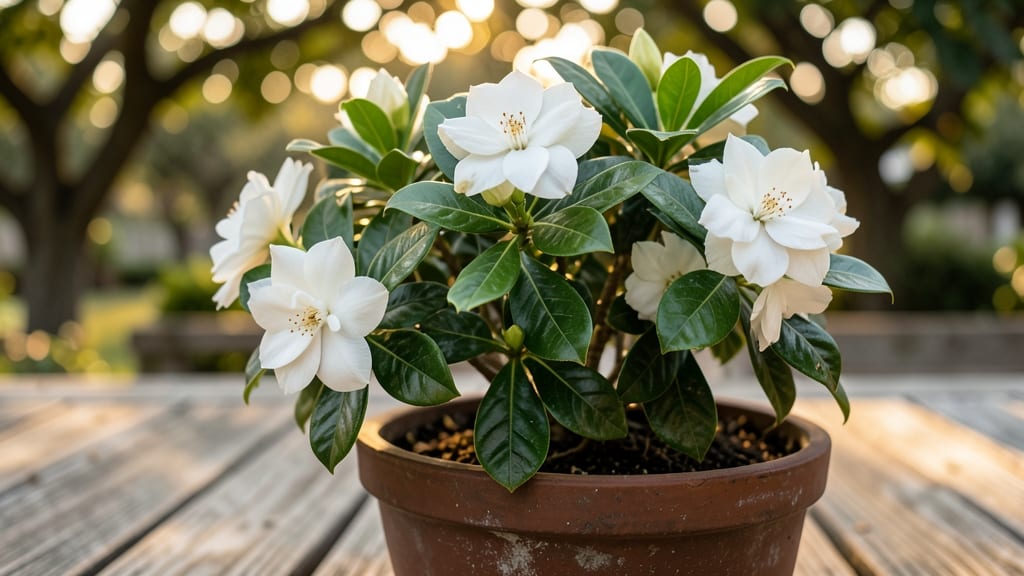
Gardenia blooms in Zone 9 typically arrive between late spring and early summer, with peak fragrance hitting around May or June—though coastal areas may see flowers as early as April.
If you’ve ever wondered why your gardenia bushes aren’t bursting with fragrant blooms at the “right” time, the answer lies in Zone 9’s unique climate—where timing can shift by weeks compared to other regions.
Coastal areas enjoy milder winters and earlier blooms, while inland spots may delay until June or July, especially after a cooler spring. The key? Consistent moisture, partial shade, and the right pruning schedule to keep your 🌸 thriving.
Below, I’ll break down the exact months for your variety, how to extend blooms, and why some gardenias play hard to get—so you can enjoy their intoxicating scent year after year.
Gardenia blooming seasons in Zone 9: exact months by variety
Zone 9 gardeners know the sweet scent of gardenias is a winter highlight, but the exact timing depends on the variety and microclimate. Unlike northern regions where blooms appear in summer, Zone 9’s mild winters trigger flowering between November and February.
Coastal areas often bloom earlier than inland zones due to cooler ocean breezes.
Your Gardenia jasminoides (the classic fragrant variety) typically starts in late November, peaking by January. Meanwhile, Gardenia radicans (a climbing type) may lag until December. Even within the same yard, shadier spots delay blooms by 2-3 weeks compared to sunlit areas.
Here’s how to predict your gardenia’s bloom schedule with precision:
| Variety | Peak Bloom Months | Coastal Shift | Inland Shift | Bloom Duration |
|---|---|---|---|---|
| Gardenia jasminoides | December–January | November–December | January–February | 6–8 weeks |
| Gardenia radicans | January–February | December–January | February–March | 5–7 weeks |
| Gardenia augusta 'Kleimschmidtiana' | November–December | October–November | December–January | 4–6 weeks |
| Gardenia 'Veitchii' | January–February | December–January | February–March | 7–9 weeks |
Notice how coastal gardenias bloom earlier? That’s because marine air keeps temperatures consistently cooler than inland areas. Inland gardeners often see blooms shift 3–4 weeks later, especially in heat islands like urban Los Angeles or Phoenix suburbs.
For continuous blooms, prioritize acidic soil (pH 5.0–6.0) and morning sunlight. I’ve seen well-cared-for gardenias in Zone 9 produce two bloom cycles: one in winter and a lighter flush in early spring if summer heat isn’t extreme.
Pro tip: Prune after blooms fade (February–March) to encourage next season’s buds. Avoid heavy pruning in summer or fall, as new growth won’t harden before winter chills arrive.
If your gardenia’s blooms arrive late or sparsely, check for overwatering (root rot delays flowering) or nutrient deficiencies. A balanced acid fertilizer in early fall can jumpstart next year’s buds.
🌸 Remember: Zone 9’s mild winters are what make gardenias thrive here—embrace the winter bloom window as your secret to year-round fragrance, even if it feels counterintuitive compared to northern gardens.
How to extend gardenia blooms in Zone 9: pruning and care tips
Zone 9’s mild winters and hot summers create the perfect conditions for gardenias—but only if you adjust your care routine to match their natural rhythms. The key to longer, more abundant blooms lies in understanding when and how to prune, fertilize, and water these acid-loving shrubs.
Unlike cooler zones, gardenias in Zone 9 can bloom almost year-round if given the right care, but peak fragrance typically occurs in late fall through early spring.
Most gardeners in Zone 9 make one critical mistake: pruning at the wrong time. Post-bloom pruning (after February) stimulates new growth, but dormant-season pruning (late winter) can wake them too early, reducing bloom time. Let’s fix that with a tailored approach for your climate.
- 🌱 Prune after blooms fade (March-April) to encourage new growth for next season’s flowers. Never prune in winter—this delays blooming.
- 💧 Water deeply 2-3x/week in summer, but reduce to weekly in winter. Gardenias hate soggy roots but need consistent moisture.
- 🌡️ Adjust soil pH to 5.0-6.0 using sulfur or peat moss. Test annually—alkaline soil (pH 7+) kills blooms.
- ☀️ Provide morning sun + afternoon shade. Harsh afternoon rays in Zone 9 scorch leaves and reduce blooming.
- ✂️ Shape lightly in late spring (May-June) to remove dead wood, but avoid heavy pruning—it cuts back next year’s flowers.
Fertilizing is another game-changer for Zone 9 gardenias. Use a slow-release, acid-based fertilizer (like 8-4-8 NPK) every 6-8 weeks from spring through summer. Stop feeding in fall and winter—over-fertilizing then causes weak growth and fewer blooms.
I swear by applying fertilizer in early morning to prevent leaf burn from the heat.
Don’t overlook mulching! A 2-3 inch layer of pine bark mulch keeps roots cool in summer, retains moisture, and slowly acidifies the soil. Reapply annually, but keep mulch 6 inches away from the trunk to prevent rot. This simple step can extend your gardenia’s bloom season by 4-6 weeks.
For potted gardenias, container size matters. Small pots dry out faster and stress plants, reducing blooms. Upgrade to a 15-gallon pot minimum and use well-draining soil mixed with perlite.
Water potted plants daily in summer (they dry out quicker than in-ground plants) and move them to partial shade during peak afternoon heat.
With these adjustments, your gardenias will reward you with longer, more fragrant blooms—even in Zone 9’s challenging heat. The secret? Work with the climate, not against it. Start with pruning after blooms fade, then fine-tune watering, feeding, and shading. Your nose (and neighbors!) will thank you. 🌸