
Planting
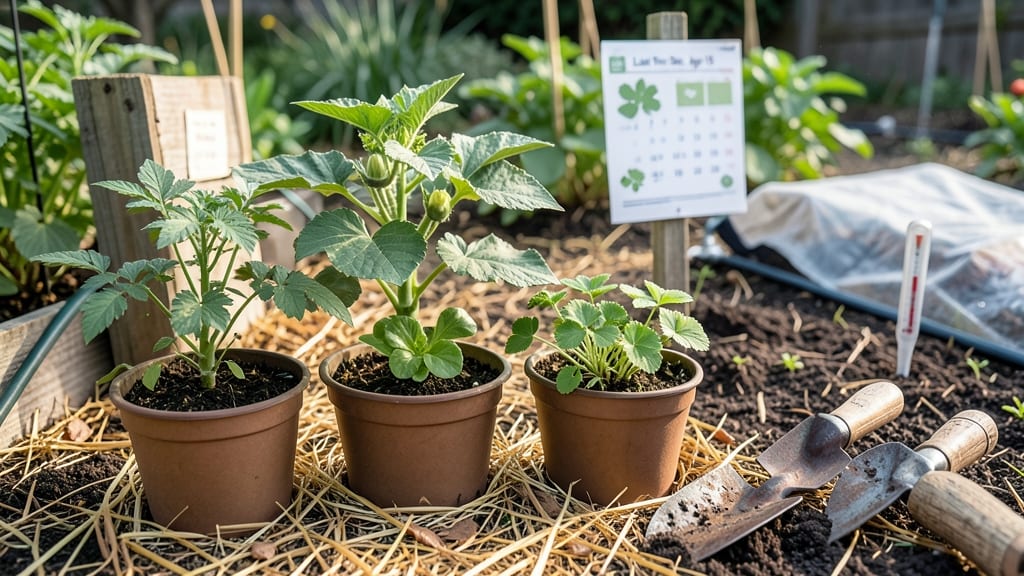
Planting a garden in Pennsylvania at the right time means the difference between a bountiful harvest and a sad pile of wilted seedlings.
Pennsylvania’s frost dates shift from April 15 in the north to early May in the south, and getting them wrong can turn your hard work into a lesson in frustration. But with the right timing, you’ll be feasting on homegrown tomatoes and herbs by summer.
This guide breaks down the best planting windows for your USDA zone—whether you’re in Pittsburgh’s cooler hills or Philadelphia’s milder lowlands—so you can align your garden with nature’s calendar.
You’ll learn how to time cool-season crops like spinach for early spring, stretch warm-season plants like peppers into fall, and adjust for microclimates that can add weeks to your growing season.
Pennsylvania frost dates by USDA Zone: when to plant cool vs. warm season crops
Pennsylvania spans USDA Hardiness Zones 5a-7a, creating distinct last frost dates in spring and first frost dates in fall. These dates determine whether you’re planting cool-season crops like spinach or warm-season crops like tomatoes.
In Zone 5a (northwest PA), expect your last frost around April 20, while Zone 7a (southwest PA) sees frost as late as May 10. Understanding these variations ensures your garden thrives.
For cool-season crops, such as lettuce, peas, and kale, planting begins as early as March in Zone 7a and as late as April in Zone 5a. These plants tolerate light frost and even thrive in cooler temperatures.
Meanwhile, warm-season crops like tomatoes, peppers, and cucumbers should wait until after the last frost, typically May 15 in Zone 5a to June 1 in Zone 7a.
Here’s a quick reference for Pennsylvania’s USDA Zones 5a-7a, including last frost dates, first frost dates, and ideal planting windows for both crop types:
In Zone 5a, where winters are colder, start cool-season crops like spinach and peas as early as March 15 under row covers. For warm-season crops, wait until soil temperatures reach 60°F, usually around May 15.
In Zone 7a, you can plant cool-season crops like broccoli as early as February 1, while tomatoes can go in the ground by April 15.
For herbs like basil and cilantro, timing is critical. Basil, a warm-season herb, should wait until after the last frost, while cilantro, a cool-season herb, thrives when planted in early spring or late summer.
In Zone 6a, cilantro can be sown in March and again in August for a fall harvest.
Extend your growing season by using row covers or cold frames to protect warm-season crops from late spring frosts. In Zone 5a
Best planting schedule for Pennsylvania’s top 10 garden crops
Pennsylvania’s top 10 garden crops thrive when planted at the right time, but knowing exact dates can feel overwhelming. Whether you’re growing tomatoes, lettuce, or zucchini, timing ensures bountiful harvests.
The key? Aligning seed starting and transplanting with Pennsylvania’s frost dates—typically April 15 for last frost and October 15 for first frost.
For cool-season crops like lettuce and peas, start seeds indoors 6-8 weeks before the last frost. Warm-season crops, such as tomatoes and zucchini, need soil temps above 50°F—so wait until mid-May or use row covers to protect young plants.
Succession planting is your secret weapon: sow lettuce every 2 weeks from spring to early summer for continuous harvests.
Here’s your step-by-step planting schedule for Pennsylvania’s most popular crops, including succession planting tips to maximize your garden’s potential:
- 🌱 Late March: Start cool-season crops indoors (lettuce, spinach, peas).
- 🌱 Mid-April: Transplant hardy greens (kale, cabbage) and sow radishes outdoors.
- 🌱 Early May: Plant tomatoes, peppers, and zucchini after last frost (use row covers if needed).
- 🌱 Mid-June: Succession plant lettuce and bush beans for summer harvests.
- 🌱 Late July: Start fall crops (kale, carrots) indoors for August transplants.
- 🌱 August: Plant cool-season crops for fall harvests (spinach, peas).
- 🌱 September: Extend tomato and pepper season with row covers.
For tomatoes, choose early-season varieties like ‘Early Girl’ for planting in mid-May, or late-season varieties like ‘Brandywine’ for late-June starts. Zucchini loves warmth, so wait until after May 15 to avoid frost damage. Succession planting every 2-3 weeks ensures a steady supply of bush beans and lettuce all season.
Pro tip: Use mulch to retain soil moisture and straw bales to extend harvests into fall. If a late frost threatens, cover tender plants with frost cloth or a lightweight blanket. With this schedule, you’ll enjoy fresh produce from May through October—no wasted seeds or stunted growth here!
Ready to plan your garden? Grab a planting calendar and mark these dates—your future harvests will thank you! 🌿