
How To
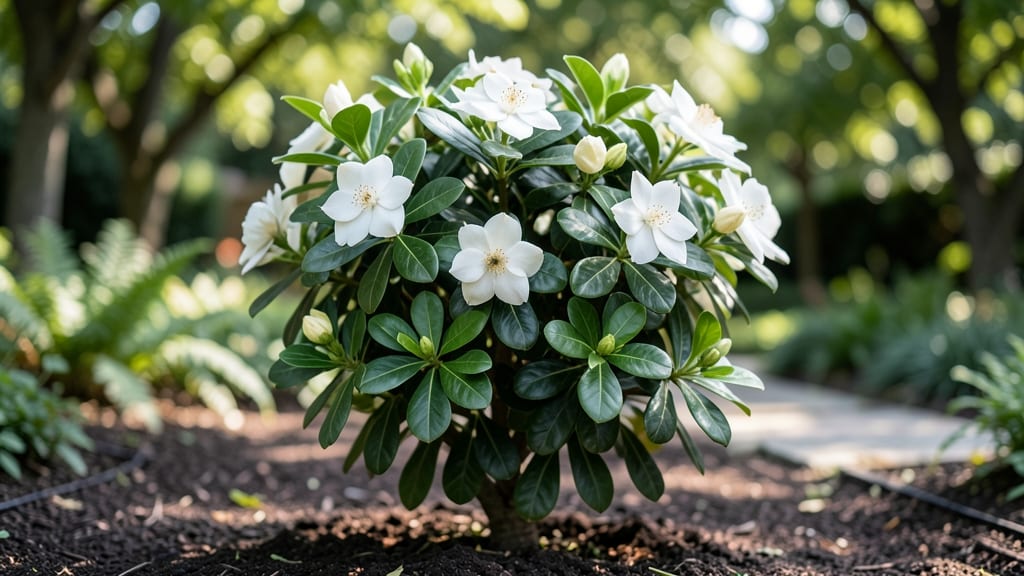
A gardenia tree grows anywhere from 3 to 15 feet tall, depending on the variety and how you care for it—so whether you’re planning a patio container or a backyard focal point, size matters.
Picture this: a dwarf gardenia 🌸 spilling over a balcony railing, its creamy blooms just arm’s reach away, versus a towering 12-foot specimen that needs a full yard to show off its fragrance. The difference isn’t just aesthetics—it’s about sunlight, pruning, and even your local climate.
Most gardeners start with Gardenia jasminoides, the classic, which typically hits 6 to 10 feet at maturity. But if you’re working with limited space, semi-dwarf varieties stay under 6 feet, while larger types like Gardenia augusta can stretch toward 15 feet if left unchecked.
Below, I’ll break down the exact heights by variety, how to control growth with pruning, and which types thrive in containers versus open gardens—so you can pick the perfect size for your vision.


Gardenia tree height guide: exact heights by popular varieties
Choosing the right gardenia variety isn’t just about fragrance—it’s about height. Some gardenias stay under 3 feet, perfect for containers or patios, while others can reach 15 feet, dominating your landscape.
The Gardenia jasminoides species alone offers dwarf, medium, and large options, so let’s break down the exact heights you can expect from popular types.
Understanding these mature size ranges helps you plan spacing, pruning needs, and even container sizes. For example, a ‘Radicans’ gardenia might sprawl along a fence, while a ‘Kleim’s Hardy’ stays neatly contained. Let’s explore the specifics so you can pick the perfect fit for your garden.
| Variety | Mature Height | Growth Rate | Best For |
|---|---|---|---|
| Gardenia jasminoides ‘Kleim’s Hardy’ | 3–6 ft | 1–2 ft/year | Containers, small gardens |
| Gardenia jasminoides ‘Radicans’ | 6–10 ft | 2–3 ft/year | Fences, trellises, borders |
| Gardenia jasminoides ‘Veitchii’ | 10–15 ft | 3+ ft/year | Large landscapes, privacy screens |
| Gardenia augusta | 12–20 ft | 3–4 ft/year | Tropical landscapes, large estates |
| Gardenia radicans | 3–8 ft (spreading) | 1–2 ft/year | Ground cover, slopes, containers |
The ‘Kleim’s Hardy’ gardenia is my go-to for small spaces because it tops out at just 6 feet while still delivering those iconic white blooms. Its slower growth rate—about 1–2 feet per year—makes it easier to manage, even in containers or window boxes.
If you’re growing it in a pot, plan for a 15-gallon container minimum to accommodate its root system.
For those with more space, the ‘Radicans’ gardenia is a game-changer. It grows 2–3 feet per year, reaching 10 feet in ideal conditions. This variety thrives when trained along a fence or trellis, where its sprawling habit adds vertical interest without taking up too much ground space.
Just be prepared for regular pruning to keep it from becoming too leggy.
If you’re aiming for a statement plant, the ‘Veitchii’ gardenia is a powerhouse. It can soar to 15 feet or taller, making it perfect for privacy screens or focal points in larger gardens.
However, its rapid growth means you’ll need to prune annually to shape it and prevent it from outgrowing its space. This variety also benefits from staking or support as it matures.
The Gardenia augusta is the giant of the gardenia world, often reaching 20 feet in tropical climates. While it’s stunning, it’s best suited for large estates or commercial landscapes where its height won’t feel overwhelming.
In cooler climates, it may stay shorter but still requires ample space and protection from frost.
Don’t overlook the sprawling ‘radicans’ type, which grows low to the ground but spreads widely—ideal for slopes or ground cover. Its 3–8 foot height and horizontal growth make it perfect for erosion control or filling in gaps under taller plants.
It’s also a great choice for container growing if you prune it regularly to control its spread.
When planning your garden, consider not just the mature height but also the growth rate. A fast-growing variety like ‘Veitchii’ will fill out quickly, while slower growers like ‘Kleim’s Hardy’ give you more time to adjust your landscape.
Always account for 3–5 extra feet of space around your gardenia to allow for airflow and future growth.
Pro tip: If you’re growing gardenias in containers, choose a variety that stays under 6 feet to avoid stability issues. Use a heavy pot with drainage holes and refresh the acidic potting mix annually to keep your plant thriving.
For in-ground plantings, amend the soil with peat moss or sulfur to maintain the ideal pH of 5.0–6.5.
🌸
How to control gardenia tree height: pruning tips for compact growth
Pruning your gardenia tree isn’t just about keeping it tidy—it’s the secret to shaping its growth and ensuring those fragrant blooms stay accessible. Without proper pruning, your gardenia can quickly outgrow its space, becoming leggy and sparse.
The good news? With the right techniques, you can encourage a bushier, more compact shape while boosting flower production. Let’s dive into the best methods to manage your gardenia’s height naturally.
Timing is everything when it comes to pruning. The ideal time to trim your gardenia is right after it finishes blooming in late spring or early summer. This gives the plant time to recover before winter dormancy.
Avoid heavy pruning in fall or winter, as this can stress the plant and reduce next year’s blooms. For light shaping, you can also prune in early spring, but keep it minimal to avoid cutting off potential flower buds.
Before you grab your shears, gather the right tools. Use clean, sharp pruners or bypass shears to make precise cuts without damaging the branches. Disinfect your tools with rubbing alcohol to prevent spreading disease.
For thicker branches, a pruning saw may be necessary, but gardenias rarely need this unless they’ve grown wild. Always wear gloves—gardenia leaves can be irritating to sensitive skin.
⚠️ Don’t Let Your Gardenia Tower Over You!
Standard gardenia trees can reach 10-15 feet tall if left unpruned, while dwarf varieties still grow 3-6 feet without intervention. Without pruning, your gardenia will focus energy on vertical growth rather than lush foliage and blooms. Overgrown gardenias also become vulnerable to disease and pests due to poor air circulation. Prune annually to maintain your desired height and encourage a fuller, more fragrant plant.
To keep your gardenia compact, focus on selective pruning. Start by removing any dead, diseased, or crossing branches first—these can stunt growth and attract pests. Next, cut back overly long branches by about one-third to encourage bushier growth.
Always prune just above a leaf node or bud to promote new shoots. Avoid cutting into old wood, as gardenias struggle to regrow from these areas.
Encouraging bushier growth is easier than you think. After pruning, your gardenia will send out new shoots from the cut areas. To maximize this effect, apply a balanced fertilizer (like 10-10-10) in early spring to support new growth.
Water deeply after pruning to help the plant recover, but avoid overwatering, which can lead to root rot. Mulch around the base with organic matter to retain moisture and protect roots from temperature swings.
Common mistakes can turn your pruning session into a setback. Never prune more than one-third of the plant at once, or you’ll shock the gardenia and reduce blooms. Avoid topping (cutting the top flat), as this creates weak, leggy growth.
Also, don’t prune in direct sunlight—this can stress the plant. Finally, resist the urge to prune too late in the season, as new growth won’t have time to harden off before winter.
With consistent pruning, your gardenia will stay manageable, healthy, and blooming beautifully for years. Start small, observe how your plant responds, and adjust your approach as needed. Soon, you’ll have a compact, fragrant gardenia tree that fits perfectly in your landscape—without taking over it. Happy pruning! 🌿✂️🌸