
How To
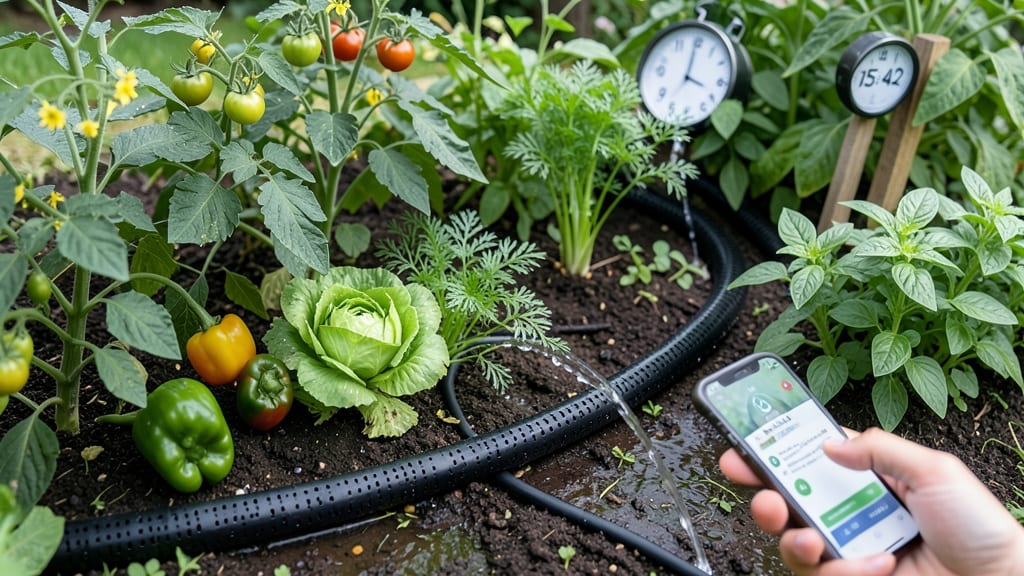
Leaving your soaker hose on your vegetable garden for the right amount of time is the difference between thriving plants and wasted water.
Struggling to balance watering without drowning your 🥬 or leaving them parched? Most gardeners guess—and end up either drowning their roots or watching their plants wilt. The truth is, the perfect duration depends on your soil, the plants you’re growing, and even the weather.
Below, I break down the exact timing for shallow-rooted greens, deep-rooted tomatoes, and everything in between, plus how to adjust for sandy soil, clay, or heatwaves. No more guesswork—just science-backed rules to keep your garden hydrated without the drama.
You’ll learn how long to run your soaker hose for each vegetable type, how to spot overwatering or underwatering, and pro tips to cut your watering time in half. Ready to water like a pro?
Optimal soaker hose duration by vegetable type: root depth matters most
Soaker hoses are my go-to for vegetable gardens because they deliver water directly to roots while minimizing waste. But timing is everything—too long and you risk root rot, while too short leaves plants parched.
The key factor? Root depth determines how long to run your hose, with soil type playing a supporting role.
Shallow-rooted greens like lettuce and spinach need just 15-30 minutes of soaker hose time. Their roots spread wide but stay near the surface, absorbing water quickly.
Medium-rooted crops such as peppers and beans require 30-60 minutes to hydrate properly, while deep-rooted vegetables like tomatoes and carrots demand 1-3 hours of steady watering.
Here’s why root depth matters: deeper roots need time to pull water from lower soil layers. Sandy soil drains faster, so you’ll need shorter sessions (reduce by 20-30%), while clay soil holds moisture longer, allowing longer durations (increase by 10-20%).
Always check soil moisture 2-3 inches down—if it’s dry, extend your time.
🌱
| Vegetable Type | Root Depth | Soaker Hose Time (Sandy Soil) | Soaker Hose Time (Clay Soil) | Water Absorption Rate |
|---|---|---|---|---|
| Shallow-Rooted Greens | 0-6 inches | 15-25 mins | 20-30 mins | Fast (5-10 mins) |
| Medium-Rooted Crops | 6-18 inches | 30-50 mins | 40-60 mins | Moderate (15-30 mins) |
| Deep-Rooted Vegetables | 18+ inches | 1-2 hours | 1.5-3 hours | Slow (30-60 mins) |
For shallow-rooted greens, I recommend splitting watering into two 15-minute sessions—morning and evening—to prevent surface evaporation. Medium-rooted crops like zucchini or cucumbers thrive with a single 45-minute soak in sandy soil, but clay soil may need 60 minutes for full hydration.
Deep-rooted asparagus or sweet potatoes often require split sessions (e.g., 1 hour in the morning and 30 minutes in the evening) to encourage roots to grow deeper.
Pro tip: Use a moisture meter to verify soil saturation. Stick it 2-3 inches down—if it reads dry after your hose session, extend by 10-15 minutes. For container gardens, reduce times by 30% since pots dry out faster.
Always water in the early morning to allow foliage to dry before nightfall, reducing fungal risks.
Adjust your soaker hose schedule based on weather conditions. During heatwaves (above 90°F), increase durations by 20-30% to combat rapid evaporation. After heavy rainfall, skip watering for 2-3 days and monitor soil moisture.
Mulching with straw or wood chips can reduce needed soaker hose time by 15-25% by locking in moisture.
💧
Common mistakes include overwatering leafy greens (they wilt faster than deep-rooted plants) or underwatering tomatoes (they need consistent moisture for fruit development). Always observe your plants: wilted leaves signal thirst, while yellowing foliage or mushy stems indicate overwatering.
By tailoring soaker hose duration to root depth and soil type, you’ll create an efficient, stress-free watering routine for your entire vegetable garden.
☀️
Signs your vegetables are overwatered or underwatered with soaker hoses
Your vegetable garden might be getting the wrong amount of water even when you’re using a soaker hose. Overwatering creates soggy soil and stunted growth, while underwatering leads to wilting leaves despite your efforts. The key is recognizing these subtle—but critical—signs before damage sets in.
First, check the soil surface after watering. If it’s crusty or muddy, you’ve likely overwatered. This prevents air from reaching roots, causing root rot in just days. On the flip side, if the top inch of soil feels bone-dry within 24 hours, your soaker hose wasn’t on long enough.
🌱
⚠️ Critical Soaker Hose Timing Rules
Never leave a soaker hose running longer than 4 hours for most vegetables—even deep-rooted crops like tomatoes. Sandy soil absorbs water in 15-30 minutes, while clay soil may need 1-2 hours. Adjust based on weather: cut time in half on rainy days or when humidity exceeds 70%.
💧 Pro Tip: Split sessions for deep roots—run for 1 hour, wait 30 minutes, then repeat.
Yellowing leaves are a red flag, but the location matters. If lower leaves turn yellow first, your plants are overwatered. If the newer leaves yellow, they’re underwatered. Mold or fungus on leaves? That’s a sure sign of excess moisture from overwatering.
Wilting is tricky—it can mean both too little and too much water. Dig gently near the roots: if soil is dry 2 inches down, increase soaker hose time. If it’s saturated, reduce duration by 30-50% and let the soil dry slightly between waterings.
Adjust your soaker hose schedule based on temperature and humidity. On 90°F+ days, run it 10-15 minutes longer to compensate for evaporation. In humid climates, reduce time by 20% to avoid fungal issues. Always water in the early morning to prevent evening moisture buildup.
🌿