
Vegetables
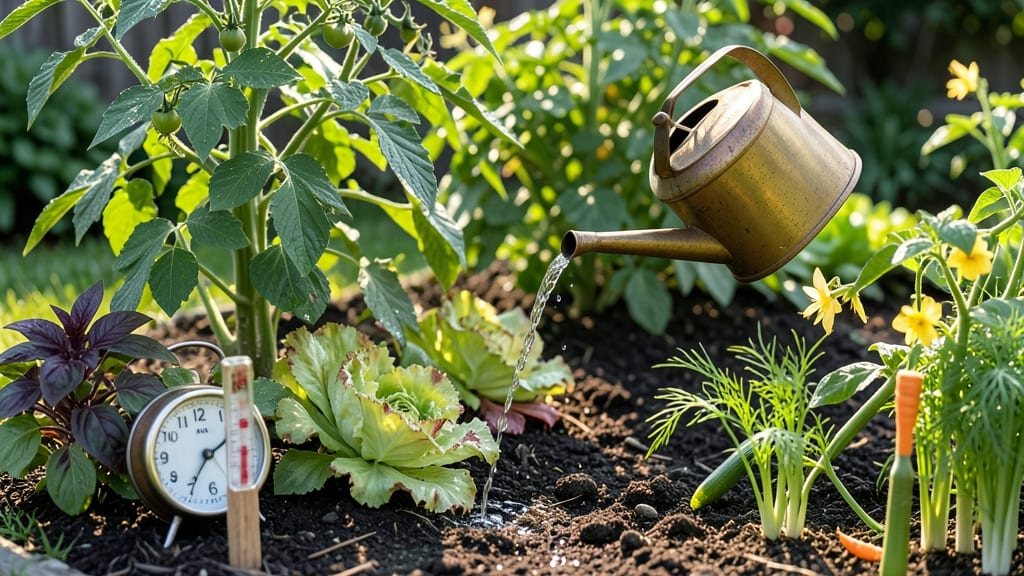
Watering your vegetable garden in the morning is the best time of day for maximum root growth and healthy plants 🥬 — a routine that keeps your crops thriving and your efforts rewarded.
Struggling to keep your vegetable garden thriving? The secret to lush, healthy plants often lies in when—not how—you water them. Timing can mean the difference between vibrant harvests and wilting disappointment, and science shows morning watering delivers the best results.
Most gardeners assume evening watering is best, but that’s when fungal diseases like powdery mildew spread fastest. Morning watering lets soil absorb moisture before the sun evaporates it, giving roots a steady supply all day long.
Below, I’ll break down the ideal morning schedule, how to adjust for your climate, and the one mistake that ruins even the best watering routine. Let’s make sure every drop counts!
Why morning watering maximizes root growth and prevents disease
Watering your vegetable garden at the right time isn't just about convenience—it's a science-backed strategy that directly impacts root development and disease resistance. When you water in the early morning (before 10 AM), you're giving your plants a cool, hydrated start that sets the stage for optimal growth.
The temperature and humidity during morning hours create ideal conditions for water absorption and fungal prevention.
One of the biggest advantages of morning watering is reduced evaporation. When you water in the heat of the day, up to 50% of the water can evaporate before it even reaches the roots.
But in the morning, cooler temperatures and lower wind speeds mean more water actually penetrates the soil, encouraging deeper root systems that can access nutrients more efficiently.
Morning watering also plays a crucial role in preventing fungal diseases. Many common plant pathogens, like powdery mildew and blight, thrive in damp conditions. When you water at night or in the evening, moisture lingers on leaves and foliage, creating a perfect breeding ground for fungi.
By watering in the morning, you allow leaves to dry quickly during the day, reducing the risk of infection.
Let’s break down the key factors that make morning watering so effective for your vegetable garden:
| Factor | Morning Watering Benefit | Why It Matters |
|---|---|---|
| Temperature | Cooler air (50°F–70°F) | Reduces evaporation, allowing water to reach roots efficiently. |
| Humidity | Lower relative humidity | Leaves dry faster, minimizing fungal spores and bacterial growth. |
| Wind Speed | Gentler breezes | Less water loss compared to midday gusts, improving soil moisture retention. |
| Root Activity | Peak hydration before heat stress | Encourages roots to grow deeper in search of moisture, strengthening plants. |
| Pest Activity | Slower slug/snail movement | Cooler mornings deter pests, reducing damage to young plants. |
The ideal morning window for watering is between 6 AM and 10 AM, depending on your climate. In hot, dry regions, aim for the earliest possible time to avoid rapid evaporation.
In humid climates, you can extend the window slightly, but avoid watering when dew is still present to prevent fungal spread.
Another critical aspect of morning watering is how it promotes deeper root growth. When soil is consistently moist from morning watering, roots have the incentive to explore deeper in search of water. This creates a stronger, more resilient plant structure that can withstand drought and heat stress.
For example, tomatoes and peppers, which are prone to blossom end rot, benefit greatly from deep watering in the morning.
If you're growing leafy greens like lettuce or spinach, morning watering also helps maintain crisp texture and vibrant color. These plants are particularly sensitive to water stress, and consistent morning hydration ensures they stay tender and flavorful.
Even root vegetables, like carrots and beets, thrive when watered in the morning because it prevents the soil from drying out too quickly, which can cause cracked or woody roots.
One common misconception is that watering in the evening is just as effective. While it may seem logical to water when it’s cooler, evening watering actually traps moisture on leaves overnight, creating the perfect conditions for fungal infections.
For instance, powdery mildew on cucumbers or early blight on tomatoes can spread rapidly when leaves stay wet for extended periods. Morning watering eliminates this risk by allowing foliage to dry completely during the day.
To maximize the benefits of morning watering, use a soaker hose or drip irrigation system to deliver water directly to the soil. This method ensures even distribution and minimizes water waste. Avoid overhead sprinklers, as they can waste water through evaporation and promote fungal growth by wetting leaves.
For container-grown vegetables, water in the morning but ensure pots have drainage holes to prevent root rot from excess moisture.
In summary, morning watering isn’t just a habit—it’s a strategic approach to gardening that aligns with the natural rhythms of your plants.
By leveraging cooler temperatures, lower humidity, and optimal root activity, you’re setting your vegetable garden up for healthier growth, higher yields, and fewer pests and diseases. Give it a try, and you’ll see the difference in your garden’s vitality!
Step-by-step morning watering routine for different vegetable types
Not all vegetables have the same watering needs, so tailoring your morning routine to their unique requirements is key. Leafy greens like spinach and lettuce need consistent moisture, while root crops like carrots and potatoes thrive with deeper, less frequent watering.
Understanding these differences ensures your garden stays healthy and productive.
Start your routine by checking the soil moisture with your finger—if the top inch feels dry, it's time to water. Different climate zones also affect timing; in hot, dry regions, water earlier (5-7 AM) to minimize evaporation, while cooler areas can wait until 7-9 AM.
- 🌱 5:00–7:00 AM: Water leafy greens (spinach, kale, lettuce) with light, frequent sessions to keep soil evenly moist. Aim for ½ inch per week.
- 🥕 6:00–8:00 AM: Deep-water root crops (carrots, beets, potatoes) to encourage downward growth. Soak the soil 1–2 inches deep every 3–4 days.
- 🍅 7:00–9:00 AM: Hydrate fruiting plants (tomatoes, peppers, cucumbers) at the base of the plant. Use 1–2 gallons per plant to avoid wetting foliage.
- 🌡️ Adjust for heat: In 90°F+ temps, water by 5:00 AM to prevent stress. In humid climates, water by 7:00 AM to reduce fungal risks.
- 💧 Use visual cues: Wilting leaves by 10:00 AM mean you watered too late. Yellowing leaves? You may be overwatering.
For container-grown vegetables, like herbs or cherry tomatoes, water daily in the morning since pots dry out faster. Always water at the soil level to avoid fungal spores splashing onto leaves. Mulch around plants with straw or wood chips to retain moisture and regulate soil temperature.
Pay attention to weather forecasts—if rain is expected, skip watering that morning. Overwatering can lead to root rot, especially in heavy clay soils. Adjust your routine based on seasonal shifts, like reducing frequency in fall when temperatures drop.
By following this tailored morning routine, you’ll ensure your vegetables get the right amount of water at the perfect time, leading to healthier plants and bigger harvests. Consistency is key, so stick to your schedule and watch your garden thrive! 🌿