
Plants
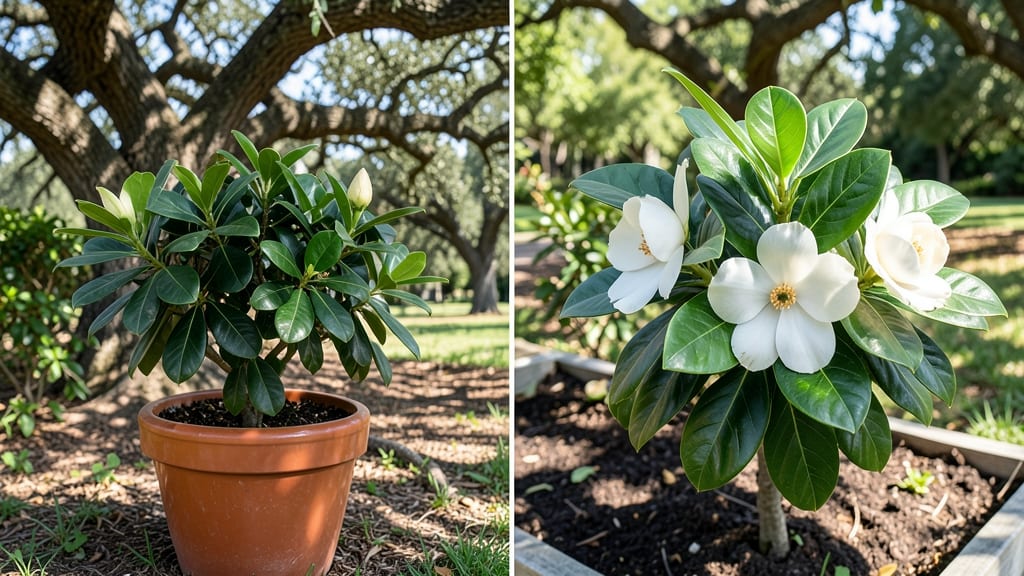
Ideal sunlight requirements for gardenia plants to ensure abundant blooms
Gardenia plants thrive when given the perfect balance of sunlight—too much or too little can stunt their growth and reduce those coveted fragrant blooms.
As someone who's nursed gardenias from sparse stems to lush shrubs, I've learned that 4 to 6 hours of morning sun paired with afternoon shade creates the ideal environment. This delicate balance mimics their native tropical habitats where harsh afternoon rays are filtered through tree canopies.
The key to success lies in understanding that gardenias are sun-worshippers with sensitive skin. Direct afternoon sun can scorch leaves, while insufficient light leads to weak stems and sparse flowers.
I've seen gardeners in hot climates struggle with leaf burn, while those in cooler regions battle leggy growth from too little light. The solution? Morning sun exposure builds energy without the risk of midday intensity.
Let’s break down the perfect light conditions using this simple guide to help you visualize what your gardenia truly needs:
| Light Condition | Daily Sunlight Hours | Best Time of Day | Signs of Correct Light |
|---|---|---|---|
| Partial Shade | 4-6 hours | Morning sun (6 AM - 12 PM) | Dark green leaves, strong stems, abundant blooms |
| Too Much Sun | 6+ hours (direct) | Afternoon sun (12 PM - 6 PM) | Brown leaf edges, crispy leaves, fewer blooms |
| Too Little Sun | Less than 4 hours | Indirect light only | Pale yellow leaves, weak stems, no flowers |
| Ideal Indoor Spot | 4-6 hours | East-facing window | Healthy glossy leaves, compact growth, regular blooms |
If you're growing gardenias outdoors, position them where they receive gentle morning sunlight and protection from afternoon heat. For example, planting near a north-facing wall or under the dappled shade of a deciduous tree works beautifully.
I've also used sheer curtains on east-facing windows to diffuse light for indoor gardenias, which has kept my plants thriving year-round.
Regional adjustments are crucial—gardenias in hot climates (Zones 8-10) may need afternoon shade even from morning sun, while those in cooler zones (6-7) can handle slightly more direct light.
I once moved a gardenia from a sunny patio to a shaded porch during summer, and within weeks, the leaf burn disappeared, and new buds formed.
Monitor your gardenia's light exposure by checking for visual stress signals. Yellowing leaves often indicate too much sun, while weak, elongated stems suggest insufficient light. In my experience, correcting light exposure can take 4-6 weeks to show improvement, so patience is key.
If you notice crispy leaf edges, move your plant to a shadier spot immediately.
For indoor gardenias, rotate the pot every 2-3 weeks to ensure even light exposure. This prevents one side from becoming leggy while the other stays compact.
I use a simple trick of placing a light meter app on my phone to track sunlight levels—it’s saved my gardenias from both sunburn and light deprivation more times than I can count.
Remember, gardenias are not low-light plants, but they also can’t handle the intensity of full sun. The goal is to mimic their natural habitat where sunlight is filtered and gentle. With the right balance, you’ll be rewarded with glossy leaves and fragrant blooms that last for weeks.
🌸
How to adapt gardenia care for partial shade vs. full sun climates
Gardenia plants thrive in 4-6 hours of morning sunlight but struggle with hot afternoon rays, especially in temperate climates. In tropical zones, they tolerate more sun, while container gardenias need extra care to balance light exposure.
Adjusting your care routine based on sunlight is the key to abundant blooms and healthy foliage.
Your gardenia's light environment changes with seasons—what works in winter shade may harm it in summer sun. For example, a south-facing patio might need afternoon shade in July but benefit from full morning sun in January. Understanding these shifts helps you prevent leaf scorch and promote flowering year-round.
Gardenia Care: Partial Shade vs. Full Sun
Partial Shade (4-6 hours sun)
- Watering: Every 5-7 days (soil stays moist)
- Fertilization: Light feed every 6 weeks (spring/fall)
- Pruning: Trim leggy growth in early spring
- Blooms: Abundant, fragrant flowers
Full Sun (6+ hours sun)
- Watering: Daily or every 2 days (deep soak)
- Fertilization: Balanced feed every 4 weeks (summer)
- Pruning: Heavy pruning to prevent leaf burn
- Blooms: Fewer flowers, risk of bud drop
Note: Tropical climates tolerate more sun, but container gardenias always need afternoon shade.
In partial shade, reduce watering slightly since shade slows evaporation, but monitor soil moisture—soggy roots are just as dangerous as drought. Use a moisture meter to check soil depth (2-3 inches).
For full sun, mulch with pine bark to retain moisture and protect roots from heat stress.
Adjust fertilization based on light: Partial shade gardenias need less frequent feeding (every 6 weeks), while full sun plants benefit from monthly balanced fertilizer to compensate for higher nutrient demands. Always use an acid-loving plant fertilizer (pH 5.0-6.5) to prevent yellowing leaves.
Pruning differs dramatically between light conditions. In shade, focus on removing dead branches to encourage bushier growth. In full sun, prune aggressively in late winter to improve airflow and reduce sun exposure on tender new growth. Always sterilize your pruners with rubbing alcohol to prevent disease.
Seasonal light changes require proactive adjustments. Move container gardenias to shadier spots in summer and closer to windows in winter. For in-ground plants, use lightweight shade cloth (30-50%) during peak afternoon sun. This simple step can double your bloom count by preventing heat stress.
Remember, gardenias are tropical plants at heart—mimic their natural dappled forest floor environment. Whether you're in Miami or Maine, the goal is bright indirect light with protection from harsh afternoon rays. With these adjustments, your gardenia will reward you with luxuriant blooms all season long. 🌸