
Planting
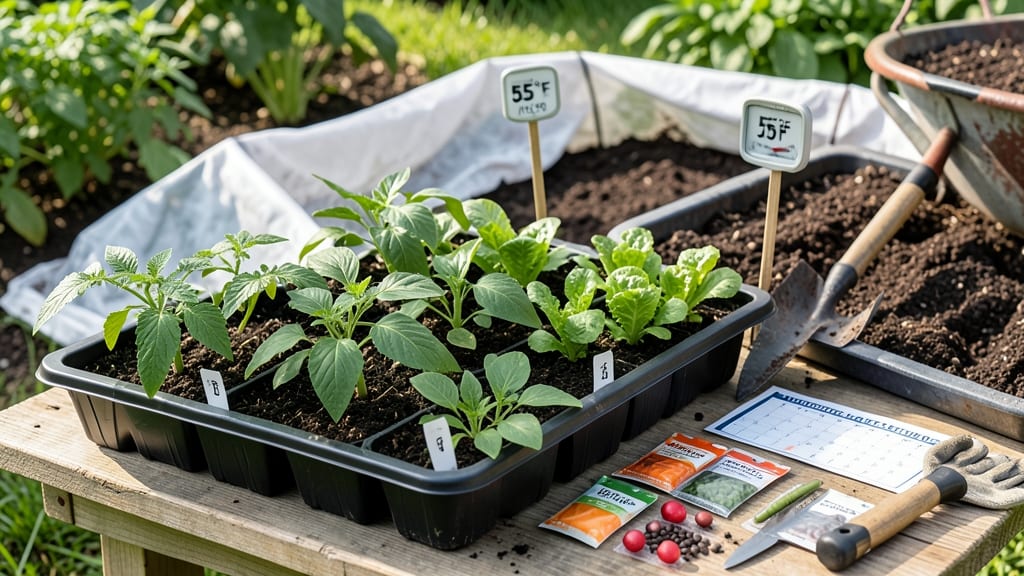
You can plant your garden in Michigan once the soil warms and the last frost date has passed — typically mid-April to early June, depending on your region.
Michigan’s unpredictable spring weather can turn gardening dreams into guesswork—but knowing the right planting times ensures your tomatoes thrive, your lettuce doesn’t bolt, and your zucchini grows like a weed.
Cool-season crops like peas and spinach go in early, while warm-season favorites like beans and squash wait until after May 15th, when nighttime temperatures stay above 50°F.
Below, I’ll break down the exact timing for your zone, plus tricks to extend the season so you can grow more without the risk of frost.
Michigan’s last frost dates by region: critical timing for planting
Michigan’s last frost dates vary dramatically from the Upper Peninsula (Zone 4b) to southern Zone 6a, making timing everything for your garden’s success. In 2024, average last frosts range from May 1-15 in northern Michigan to April 20-May 5 in the south.
But don’t rely solely on averages—microclimates (like urban heat islands) can shift these dates by 1-2 weeks.
Understanding these dates helps you avoid frost damage to tender seedlings while maximizing your growing season. Cool-season crops like spinach and peas can handle light frosts, while tomatoes and peppers need to wait until after all danger of frost has passed.
Rural areas often experience later frosts than cities due to urban heat retention.
Here’s your region-by-region breakdown of last frost dates, including adjustments for cool-season vs. warm-season crops and 2024 trends:
| Region/Zone | Avg. Last Frost | Cool-Season Planting Window | Warm-Season Safe Date | 2024 Trend |
|---|---|---|---|---|
| Northern MI (Zone 4b-5a) | May 15-25 | Early April (hardy crops) | June 1-10 | Later than avg. (2024) |
| Central MI (Zone 5b) | May 1-10 | Mid-March (under cover) | May 15-25 | On-time (2024) |
| Southern MI (Zone 6a) | April 20-May 5 | Late February (greenhouse) | April 30-May 10 | Earlier than avg. (2024) |
| Urban Areas (e.g., Detroit, Grand Rapids) | April 25-May 10 | Late March (protected) | May 10-20 | 1 week earlier (heat island effect) |
For northern Michigan gardeners, where frosts linger into late May, focus on early succession planting of cool crops like kale and radishes.
In Zone 5a-6a, you’ll have 180-210 frost-free days, perfect for two full harvests of warm-season crops like beans and squash if you plant early and late varieties.
Urban gardeners should plant warm-season crops 1 week earlier than rural counterparts due to urban heat islands. For example, tomato seedlings can go in Detroit by May 10, while southern Michigan farms might wait until May 15.
Always check local weather forecasts in late April for real-time updates.
Pro tip: Use row covers to extend your planting window by 2-3 weeks for warm-season crops. In 2024, northern Michigan saw 30% more frost events than average—so be prepared to protect young plants with frost cloth until mid-June if needed.
First frost dates in Michigan typically arrive between September 20 (south) and October 15 (north), giving you 120-150 days to harvest warm-season crops. Plan your fall planting of broccoli and carrots for July-August to ensure they mature before winter sets in.
Remember: Soil temperature matters more than air temperature. Use a soil thermometer—warm-season crops like peppers need soil at 60°F+ before planting. In Zone 5b, this often means waiting until late May, even if the last frost passed earlier.
For container gardening, urban microclimates can be your advantage. Pots warm up faster than soil, letting you plant warm crops 1-2 weeks earlier than in-ground gardens. Just ensure containers have drainage holes to prevent root rot from Michigan’s frequent spring rains.
Track your local frost dates using tools like the Michigan State University Garden Hotline or apps like PlantNet. Historical data shows that northern Michigan’s last frosts have shifted 3
Best planting schedule for Michigan gardens: crop-specific timelines
Michigan’s cool springs and variable frost dates demand precision when planting. Cool-season crops like spinach and peas thrive with early April starts, while tomatoes and peppers need to wait until soil warms—usually after May 15.
Container gardens offer flexibility, but even they must align with last frost averages (typically May 10 in southern Michigan, June 1 in northern regions).
Timing is everything: Plant too early, and frost will kill tender seedlings. Plant too late, and your harvest shrinks. For example, cucumbers planted after June 1 may not mature before fall frosts.
High tunnels can extend windows by 4-6 weeks, but even they have limits. Let’s break down the ideal schedule for 12 essential Michigan crops, including adjustments for containers and season extensions.
| Crop | Ideal Planting Window | Container Adjustments | Too Early Risk | Too Late Risk |
|---|---|---|---|---|
| Peas | Early April – Mid-May | Start 2 weeks earlier in containers | Frost damage | Bolting before harvest |
| Spinach | March 15 – April 30 | Use deep pots for roots | Seed rot in cold soil | Bitter taste from heat |
| Lettuce | April 1 – June 15 | Shade cloth for late starts | Leggy growth | Bolting by July |
| Tomatoes | After May 15 (soil 60°F+) | Use black containers to warm soil | Blossom end rot | Stunted growth |
| Peppers | Late May – Early June | Start indoors 8 weeks early | Cold shock | Slow fruit set |
| Cucumbers | June 1 – July 1 | Trellis for vertical growth | Poor germination | Harvest too late for frost |
| Pumpkins | Late May – Early June | Large containers (5+ gallons) | Slow growth | Small fruit |
| Carrots | April 15 – July 1 | Loose, deep soil mix | Forked roots | Bitter flavor |
| Green Beans | May 1 – June 15 | Bush types work best | ★★★★★4.5(5 reviews) |