
Planting
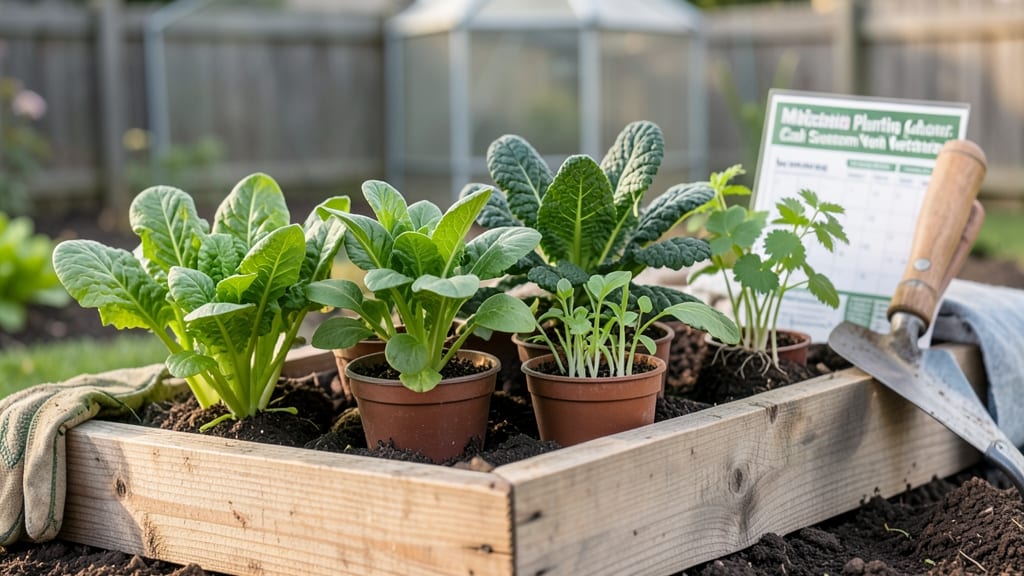
You should plant a garden in Michigan between mid-April and mid-May after the last frost, or in late August to early September for fall crops—timing that makes all the difference between a thriving harvest and wasted effort.
Michigan’s unpredictable spring frost dates and short growing season can turn gardening into a high-stakes guessing game—but timing your plantings correctly means the difference between a bountiful harvest and wasted seeds.
Whether you’re sowing cool-season crops like spinach or heat-loving tomatoes, the 30-day window after the last frost is your best shot at success. Miss it, and you risk stunted growth or bolted greens before they mature.
Below, I break down the exact week-by-week planting schedule for Michigan’s USDA zones 5a-6b, including frost-proof strategies to extend your harvest well into fall.
Michigan’s planting zones & exact week-by-week deadlines for cool-season crops
Michigan spans USDA zones 5a through 6b, meaning our growing season is short but packed with potential. The key to success? Timing your cool-season crops precisely to avoid frost damage.
Southern Michigan (zone 6b) enjoys slightly longer seasons, while northern areas (zone 5a) face earlier frosts—sometimes just 10–14 days apart between regions.
Cool-season crops like lettuce, spinach, peas, broccoli, and onions thrive in Michigan’s spring and fall. Plant too early, and frost zaps your seedlings. Plant too late, and heat stresses tender greens. The solution? Week-by-week deadlines tailored to your specific zone and microclimate.
Here’s the critical data you need: last frost dates by region and exact planting windows for each crop. Use these as your garden calendar to maximize harvests before winter sets in.
| Crop | Zone 5a (North) | Zone 6a (Mid) | Zone 6b (South) | Frost Risk |
|---|---|---|---|---|
| Lettuce | Week 10–12 (April 1–15) | Week 9–11 (March 25–April 10) | Week 8–10 (March 15–March 30) | High (50% chance before April 15) |
| Spinach | Week 9–11 (March 30–April 10) | Week 8–10 (March 15–March 30) | Week 7–9 (March 1–March 15) | Very High (60% before April 5) |
| Peas | Week 8–10 (March 15–March 30) | Week 7–9 (March 1–March 15) | Week 6–8 (February 25–March 10) | Moderate (40% before April 1) |
| Broccoli | Week 12–14 (April 15–May 1) | Week 11–13 (April 1–April 15) | Week 10–12 (March 30–April 10) | Low (30% after May 1) |
| Onions | Week 8–10 (March 15–March 30) | Week 7–9 (March 1–March 15) | Week 6–8 (February 25–March 10) | Moderate (50% before April 10) |
| Fall Planting (All Crops) | Week 32–34 (August 1–15) | Week 33–35 (August 10–25) | Week 34–36 (August 15–September 1) | High (70% frost after Sept 15) |
For Zone 5a (Northern Michigan), aim to plant lettuce and spinach by April 1 to avoid frost. In Zone 6b (Southern Michigan), you can push lettuce as early as March 15—but always check your local 7-day frost forecast before sowing.
Peas are the hardiest cool-season crop and can handle light frosts
Heat-tolerant crops that thrive in Michigan’s short summer: best varieties & planting strategy
Michigan’s summer heat can be brutal for many garden crops, but with the right heat-tolerant varieties, you can still enjoy a bountiful harvest. The key is selecting plants that handle 85°F+ temperatures and short growing seasons while maximizing your planting windows.
These varieties not only survive but thrive in Michigan’s USDA zones 5a-6b, giving you a longer harvest period.
For tomatoes, opt for heat-resistant varieties like ‘Heatmaster’ or ‘Solar Fire’, which produce fruit even when temps soar. These varieties are bred to handle high heat stress and still deliver sweet, flavorful tomatoes.
Pair them with bush beans like ‘Blue Lake’ or ‘Kentucky Wonder’, which fix nitrogen in the soil and tolerate heat better than many other legumes.
🌱 Heat-Tolerant Crops: Pros & Cons
- Survive 85°F+ temps without wilting
- Extend harvest windows into late summer
- Drought-resistant varieties reduce watering needs
- Companion planting boosts yield and deters pests
- Some varieties require richer soil for optimal growth
- Heat stress can reduce fruit quality in sensitive crops
- Succession planting demands more effort for continuous harvests
- Pests thrive in hot, humid conditions (e.g., squash bugs, aphids)
To set your heat-tolerant crops up for success, start by preparing your soil with organic matter like compost or aged manure. This improves water retention and provides essential nutrients. For peppers, choose varieties like ‘Carolina Wonder’ or ‘Jalapeño M’, which handle heat well and produce fruit consistently.
Plant them after the last frost date—typically mid-May in southern Michigan and late May in the north—when soil temps reach at least 60°F.
Sweet potatoes are another excellent choice for Michigan’s short summer. Varieties like ‘Beauregard’ or ‘Georgia Jet’ mature quickly and thrive in well-draining soil. Plant slips (young plants) after the soil warms up, usually around late May to early June.
These crops benefit from mulching to retain moisture and regulate soil temperature, which is especially important during heatwaves.
Companion planting is a game-changer for maximizing yield in Michigan’s short season. Pair tomatoes with basil to improve flavor and deter pests, or plant beans near corn to fix nitrogen in the soil.
For peppers, try planting them with onions or garlic, which repel pests like aphids. These pairings not only boost plant health but also make the most of your limited garden space.
Finally, keep an eye on watering schedules during heatwaves. Deep watering in the early morning helps prevent fungal diseases and ensures roots stay hydrated. Consider using drip irrigation or soaker hoses to deliver water directly to the soil, reducing evaporation.
With the right varieties, soil prep, and companion planting, you can turn Michigan’s short summer into a productive growing season.