
Planting
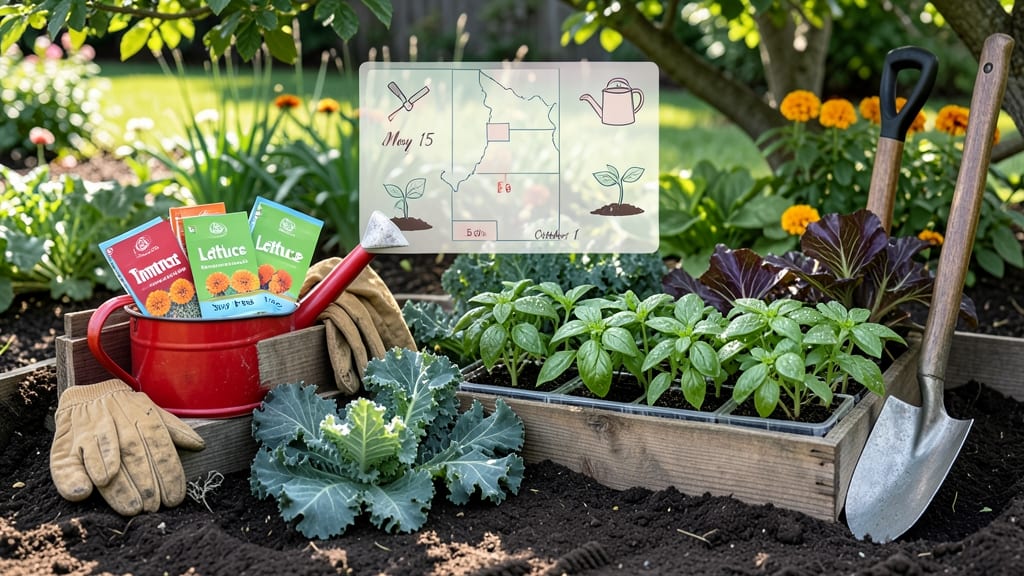
Should you plant your garden in Michigan when the soil warms to 50°F or risk losing everything to a late frost? The answer depends on what you’re growing—and these Zone 4B deadlines will keep your crops thriving.
Michigan’s unpredictable Zone 4B climate means planting your garden at the wrong time can spell disaster—whether it’s a late frost wiping out seedlings or summer heat stressing tender crops. Timing is everything, and these deadlines will help you maximize your harvest without guessing.
Cool-season crops like peas and spinach can go in as early as April, while tomatoes and peppers need to wait until after May 15 to avoid frost damage. I’ll break down the exact windows for your favorite vegetables, plus how to stretch your growing season with simple tricks.
By the end, you’ll know exactly when to plant, what to watch for, and how to avoid the most common mistakes—so you can enjoy a bountiful harvest instead of second-guessing your schedule.
Michigan zone 4B planting deadlines by crop type: last frost dates explained
Michigan’s Zone 4B climate creates a tight window for planting—typically between May 15 and June 1—where the last frost occurs. Understanding these deadlines separates successful harvests from lost investments.
In Zone 4B, the average last frost date varies slightly from May 10 in southern Michigan to June 5 in northern areas, so always check local forecasts.
For cool-season crops like lettuce and peas, you can start planting as early as April 1 under row covers or in cold frames. However, warm-season crops such as tomatoes and peppers must wait until after the last frost, ideally after May 20, to avoid frost damage.
Even a light freeze can kill tender seedlings overnight.
Here’s how to navigate Michigan’s planting deadlines with confidence:
🌱 Key Deadlines: - Last frost date: May 15–June 1 (varies by region) - Safe planting for warm crops: After May 20 - Soil temperature threshold: 50°F+ for cool crops, 60°F+ for warm crops - Succession planting window: Every 2–3 weeks until July 15
| Crop Type | Last Frost Risk | Ideal Planting Window | Notes |
|---|---|---|---|
| Cool-Season Veggies (Lettuce, Spinach, Peas) | Low (tolerate light frost) | April 1–May 15 | Start indoors 4–6 weeks before last frost |
| Warm-Season Veggies (Tomatoes, Peppers, Cucumbers) | High (kill with frost) | After May 20 (soil 60°F+) | Use row covers for early starts |
| Herbs (Basil, Cilantro, Dill) | Medium (basil dies in frost) | After May 10 (basil); April 15 (cilantro) | Cilantro bolts in heat—plant in spring/fall |
| Flowers (Marigolds, Zinnias, Sunflowers) | Low (most tolerate frost) | April 15–June 15 | Direct-sow after soil warms |
| Perennials (Asparagus, Rhubarb, Strawberries) | None (hardy) | April–May (bare-root) | Plant crowns 2" below soil line |
Zone 4A gardeners (north of 4B) should push planting dates back by 1–2 weeks to account for later frosts. For example, tomatoes in Zone 4A may not be safe until May 28, while Zone 4B can start them by May 20.
Always monitor the National Weather Service or Michigan State University Extension for real-time updates.
Pro tip: Use row covers or cold frames to extend your planting window by 2–4 weeks for frost-sensitive crops. For instance, you can plant bush beans under covers as early as May 1 in Zone 4B, giving you a head start on the season.
Just remove covers when flowers appear to prevent heat stress.
Another critical factor is soil temperature. Cool-season crops like kale and carrots thrive in soils as low as 40°F, while warm-season crops need 60°F+. Use a soil thermometer to avoid planting too early—cold soil can stunt growth or cause rot.
For succession planting, plan to sow lettuce, radishes, and bush beans every 2–3 weeks until July 15. This ensures a continuous harvest and maximizes your garden’s productivity.
For example, if you plant radishes on May 1, follow up with another batch on May 15 and May 30.
Remember, Michigan’s first frost typically arrives between September 20 and October 15, so plan your fall crops (like kale and spinach) to mature before then. For example, broccoli planted in early August will be ready by October 1, just before frost.
When in doubt, err on the side of caution. A late frost can wipe out a month’s worth of work in hours, so always have a backup plan—like starter plants ready to transplant if seedlings fail. With these
How to extend your Michigan growing season for zero-frost risk crops
Michigan’s short Zone 4B growing season (average 140 frost-free days) can feel like a race against time, but smart gardeners know how to stretch that window. By using season-extending tools and selecting resilient varieties, you can grow crops well beyond the typical May-to-September timeline.
The key is combining physical protection with plant selection tailored to Michigan’s climate quirks.
I’ve tested these methods in my own Detroit-area garden, where late frosts in May and early snows in October force creative solutions. Whether you’re protecting seedlings or pushing fall harvests, these strategies will give you 30-60 extra days of growing potential.
The best part? Many require minimal investment—just some row covers or a few cold frames can make all the difference.
- 1
- 2
- 3
- 4
For my Michigan garden, the most reliable zero-frost-risk crops are bush beans, Swiss chard, and kale—they tolerate temps down to 25°F and keep producing. I’ve even grown radishes in October under row covers, harvesting them before the first hard frost.
The secret? Start late (after July 15) and use black plastic mulch to warm the soil.
Don’t overlook fall planting—it’s often more productive than spring in Michigan. Seed spinach and carrots by August 15 for harvests before winter sets in. These crops thrive in cool weather and outperform spring plantings by avoiding early-season pests.
Just remember: soil temps must stay above 40°F for seeds to germinate.
Pro tip: Pair row covers with drip irrigation to keep plants hydrated without overheating. I’ve seen 20% larger yields in covered beds because the fabric retains moisture while allowing rain to penetrate.
For maximum extension, combine cold frames with succession planting—this combo can add up to 8 weeks to your harvest window.
Start small with one season-extending method, then build your system. My first-year experiment with a cold frame added $50 worth of greens to my winter harvest—proof that Michigan gardeners don’t need long summers to grow big!