Tools
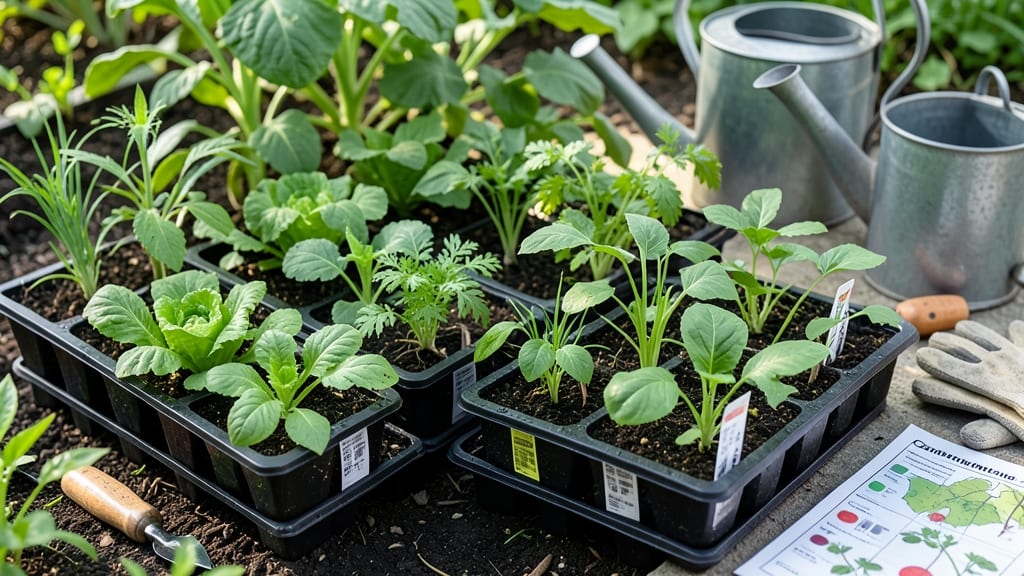
A vegetable garden planting schedule tailored to your hardiness zone and crop maturity days is your ticket to a harvest that actually feeds you instead of the birds.
Picture this: you’ve spent weeks prepping soil, only to watch your tomatoes bolt in the heat or your lettuce bolt in the cold. That’s the frustration of ignoring your zone’s last frost date or misjudging how long a seedling needs to reach harvest.
This guide breaks down the exact timing for everything from quick greens to slow-maturing squash, plus how to adjust for early starts, late summers, and those tricky succession plantings that keep your kitchen stocked all season.
By the end, you’ll know not just when to plant, but how to avoid the most common mistakes—like choosing the wrong variety for your zone or skipping the soil prep that makes all the difference.

How to determine your planting schedule by USDA hardiness Zone
Getting your vegetable garden planting schedule right starts with knowing your USDA hardiness zone. This system divides North America into 13 zones based on average annual minimum temperatures, helping you match plants to your climate.
For example, Zone 5 has colder winters than Zone 8, so frost dates shift dramatically between them. Let’s break down how to use this info to plan your garden like a pro.
First, find your zone using the USDA Plant Hardiness Zone Map (available online). Enter your ZIP code to get your exact zone number, which ranges from 1 (coldest) to 13 (warmest). If you’re in a microclimate—like a valley or hillside—your zone might differ slightly from your general area.
Once you know your zone, you can calculate your average last frost date in spring and first frost date in fall.
| Zone | Last Frost (Spring) | First Frost (Fall) | Cool-Season Crops | Warm-Season Crops |
|---|---|---|---|---|
| Zone 3-4 | Mid-May | Mid-September | Lettuce, Peas, Spinach | Tomatoes (short season), Peppers (late start) |
| Zone 5-6 | Late April | Late September | Kale, Radishes, Broccoli | Tomatoes, Cucumbers, Beans |
| Zone 7-8 | Early April | Early November | Carrots, Onions, Swiss Chard | Peppers, Eggplants, Okra |
| Zone 9-10 | Mid-February | Mid-December | Winter Squash, Cabbage | Sweet Potatoes, Melons, Corn |
Once you’ve got your frost dates, adjust your planting windows for cool-weather crops (like lettuce and peas) and warm-weather crops (like tomatoes and peppers). Cool-season plants thrive in cooler temps, so sow them 4-6 weeks before your last frost date.
Warm-season crops need soil temps above 60°F, so wait until after your last frost to plant them.
For heat-tolerant varieties, like okra or sweet potatoes, you can extend your growing season by planting them after Memorial Day in cooler zones. These plants handle higher temps better, so they’re perfect for late-season gardens.
Always check seed packets for days to maturity—this tells you how long each plant needs to produce a harvest.
Don’t forget about succession planting! This means sowing new seeds every 2-3 weeks for crops like lettuce or radishes to ensure a continuous harvest.
For example, in Zone 6, you might plant lettuce in early April, again in late May, and once more in early August for a fall crop. This technique maximizes your garden’s productivity year-round.
If you’re unsure about your local frost dates, check with your local cooperative extension service or use a planting calendar app like Gardenate or Farmers’ Almanac. These tools provide zone-specific planting advice tailored to your area.
For instance, if you’re in Zone 5 and want to grow tomatoes, you’ll need to start seeds indoors 6-8 weeks before your last frost date.
Pro tip: Use row covers or cold frames to extend your growing season in cooler zones. These tools can push back your first frost date by 2-4 weeks, giving you more time to grow warm-season crops.
Just remember to remove them once temps rise above 75°F to avoid overheating your plants.
Finally, keep a gardening journal to track your planting dates, frost occurrences, and harvest times. Over time, you’ll spot patterns and refine your schedule. For example, you might notice that peppers thrive in your garden when planted in early May, even though your last frost is in mid-April.
Adjust your schedule based on your observations!
With your USDA zone, frost dates, and maturity days in hand, you’re ready to create a vegetable garden planting schedule that works for your climate. Happy gardening! 🌱
Best planting times for vegetables by maturity days (30/60/90+)
Understanding your vegetable garden planting schedule by maturity days ensures you maximize your harvest. Fast-growing crops like radishes (30 days) need early spring or late summer starts, while tomatoes (90+ days) require careful timing to avoid frost damage.
I’ve broken down the best windows for each category, adjusted by USDA hardiness zones and seasonal shifts.
For 30-day vegetables, focus on early spring (2-4 weeks before last frost) or late summer (8-10 weeks before first frost). These quick growers—like spinach, lettuce, and bush beans—thrive in cooler temps and can even tolerate light frosts.
In Zone 6, that means planting radishes in March or August for a fall harvest before winter sets in.
| Vegetable Type | Maturity Days | Early Season (Zone 6) | Mid-Season (Zone 6) | Late Season (Zone 6) |
|---|---|---|---|---|
| Fast-Growing (30 Days) | 30-40 | March-April (soil 40°F+) | July-August (succession plant) | September (8-10 wks before frost) |
| Medium (60 Days) | 50-70 | April-May (after last frost) | June-July (heat-tolerant varieties) | August (quick-maturing types) |
| Long-Season (90+ Days) | 90-120+ | Start indoors March-April | Transplant May-June (soil 60°F+) | N/A (risk of frost) |
60-day vegetables like carrots, zucchini, and green beans need more flexibility. Plant them 2-3 weeks after your last frost date for spring crops, or late July for a fall harvest. In warmer zones (7-9), you can extend this to August with heat-resistant varieties like ‘Early Girl’ tomatoes or ‘Straight Eight’ okra.
Long-season crops (90+ days) demand precision. Tomatoes, peppers, and corn should start indoors 6-8 weeks before last frost and transplant after soil warms to 60°F. In Zone 6, that’s late May for most varieties.
For cool-season crops like cabbage (90+ days), opt for early maturing varieties planted in April to avoid bolting.
Adjust your schedule by 1-2 weeks earlier in southern zones (7-10) and 1-2 weeks later in northern zones (3-5). Always check seed packets for days to maturity and temperature requirements—they’re your best guide. Succession planting every 2-3 weeks keeps your harvest steady all season long.
Pro tip: Use row covers to extend early spring planting by 2-4 weeks or protect late fall crops from light frosts. For Zone 6 gardeners, this means radishes in February under covers or spinach in October for a winter harvest. 🌱