
Light Requirements
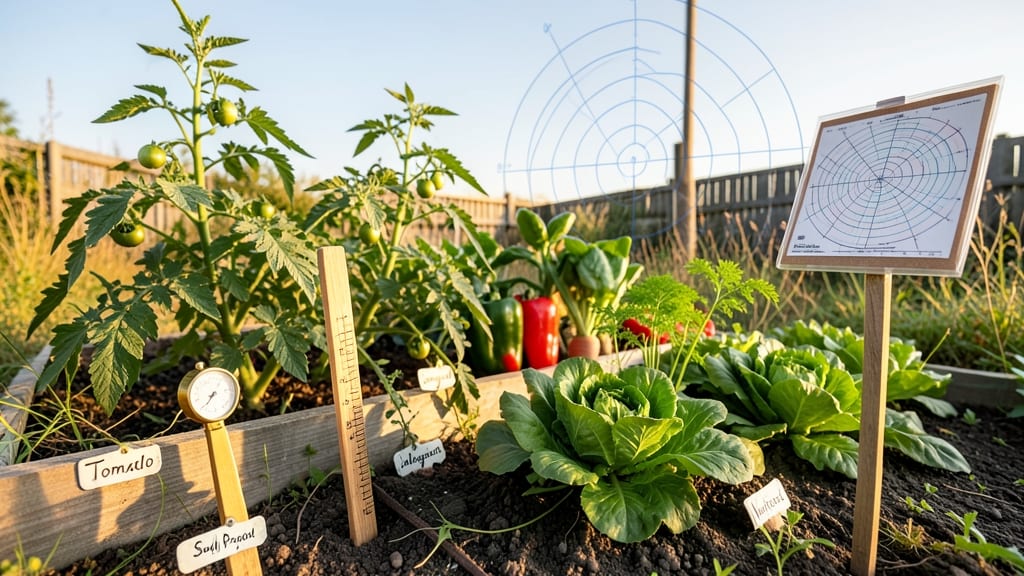
A vegetable garden needs 6 to 8 hours of sunlight daily to thrive, though some crops like leafy greens do fine with less—so how you balance sun exposure can make or break your harvest.
Picture this: your tomatoes are wilting by midday, your peppers refuse to set fruit, and your lettuce bolts into bitter stems before you can even pick it. These aren’t just bad luck—they’re classic signs of sunlight mismanagement.
Too little sun stunts growth, while too much can scorch delicate plants, leaving you scratching your head over why your 🌱 vegetable garden isn’t producing.
But here’s the good news: knowing the exact sunlight needs for each crop lets you tweak your garden layout, choose the right varieties, and even work with shade to maximize yields.
Whether you’re dealing with a sun-drenched backyard or a shady corner, the key is matching your plants to their ideal light conditions.
In this guide, I’ll break down the sunlight ranges for popular vegetables, share tricks for measuring and adjusting light in your space, and help you avoid common mistakes that waste time and effort. Let’s get your garden growing the right way.


Sunlight requirements by vegetable type: full sun vs. partial shade breakdown
Sunlight is the lifeblood of your vegetable garden, but not all plants need equal amounts. Tomatoes, peppers, and cucumbers crave 6+ hours of direct sun daily, while leafy greens like spinach thrive with just 3-4 hours.
Understanding these differences can mean the difference between a bountiful harvest and struggling plants. Let’s break down exactly how much sunlight your favorite vegetables need to flourish.
First, categorize your garden space by sunlight exposure. Full sun areas receive 6+ hours of direct sunlight—ideal for most fruiting vegetables. Partial shade (3-6 hours) suits leafy greens and root crops, while low-light spots (under 3 hours) can still grow hardy vegetables with the right choices.
Knowing these categories helps you plan your garden layout for maximum productivity.
Here’s a quick reference to get you started. The summary-table below highlights key crops, their sunlight needs, and ideal growing conditions to help you visualize your garden’s potential.
For full sun lovers, prioritize tomatoes, peppers, and squash in the sunniest spots of your garden. These plants need 6+ hours of direct sunlight to produce fruit and grow vigorously.
If your garden lacks full sun, consider container gardening on a sunny patio or choosing dwarf varieties that can thrive in slightly less light.
On the other hand, leafy greens like spinach, kale, and lettuce prefer partial shade (3-6 hours of sun). Too much direct sunlight can cause these plants to bolt prematurely, turning bitter and tough.
Place them near taller plants or in areas where sunlight is filtered through trees or structures. This strategy keeps them cool and productive during hot summer months.
Don’t overlook low-light tolerant vegetables like arugula, radishes, and green onions. These can grow in under 3 hours of sunlight, making them perfect for shady corners of your garden.
They’re also great for container gardening on balconies or under the drip line of trees where other plants might struggle.
If you’re working with limited sunlight, focus on fast-growing crops like radishes or bush beans. These can be harvested quickly before they outgrow their light conditions. You can also rotate crops seasonally, planting sun-loving vegetables in early spring or late summer when the sun is less intense.
Pro tip: Use reflective surfaces like white mulch or light-colored containers to bounce extra light onto shade-loving plants. This simple trick can make a noticeable difference in their growth and yield. Just be mindful not to overheat your garden—balance is key!
Finally, observe your garden’s microclimates. South-facing areas typically get the most sun, while north-facing spots may remain shady all day. Adjust your planting plan based on these observations, and don’t hesitate to move plants if they’re not thriving in their current location.
With the right sunlight strategy, your vegetable garden can be a thriving oasis no matter its location.
How to measure and adjust sunlight in your garden for optimal growth
Sunlight is the lifeblood of your vegetable garden, but not all plants need the same amount. Tomatoes and peppers crave 6-8 hours of direct sun, while leafy greens like spinach tolerate 3-4 hours.
The first step is understanding your garden's natural light patterns—because what looks like full sun in summer might turn into partial shade in winter.
Start by observing your garden's sunlight patterns over a 2-week period. Use a simple method: place a white stake in different areas and mark the shadows every few hours. This DIY approach reveals how sunlight shifts with the seasons.
For example, a south-facing garden in the U.S. typically gets the most consistent light, but east or west exposures can work too with strategic planning.
Full Sun (6+ hours): Tomatoes, Peppers, Cucumbers, Squash
Partial Shade (3-6 hours): Lettuce, Spinach, Kale, Beans
Low Light (<3 hours): Avoid planting sun-lovers here—opt for herbs or shade-tolerant greens instead. Overestimating shade can lead to leggy, weak plants or poor yields.
For precise measurements, invest in a sunlight meter (around $20) or use a lux meter app on your phone. These tools measure light intensity in foot-candles, helping you identify hotspots or shady corners.
Pro tip: Morning sun is gentler than afternoon heat, so position heat-sensitive crops like basil on the east side of your garden.
Seasonal adjustments are key. In summer, your garden might get 10+ hours of sun, but winter can drop that to 4-5 hours. Use reflective surfaces like white gravel or mirrors to bounce extra light onto shaded areas.
For containers, rotate them weekly to ensure even exposure—plants lean toward light, creating lopsided growth if ignored.
Microclimates matter too. A fence or tree can cast deep shade, while a stone wall absorbs heat, creating a warmer microclimate. Map your garden’s light zones and group plants by their needs.
For example, place sun-loving peppers near the center and shade-tolerant herbs along the north side. This simple layout trick maximizes space and yield.
Don’t forget to monitor your plants’ color and growth. Yellowing leaves or stretched stems signal insufficient light, while crispy edges or wilted flowers mean too much sun.
Adjust by moving plants, pruning nearby foliage, or adding shade cloth (30-50% coverage) during peak afternoon heat. With these tweaks, your garden will thrive year-round!