Planting
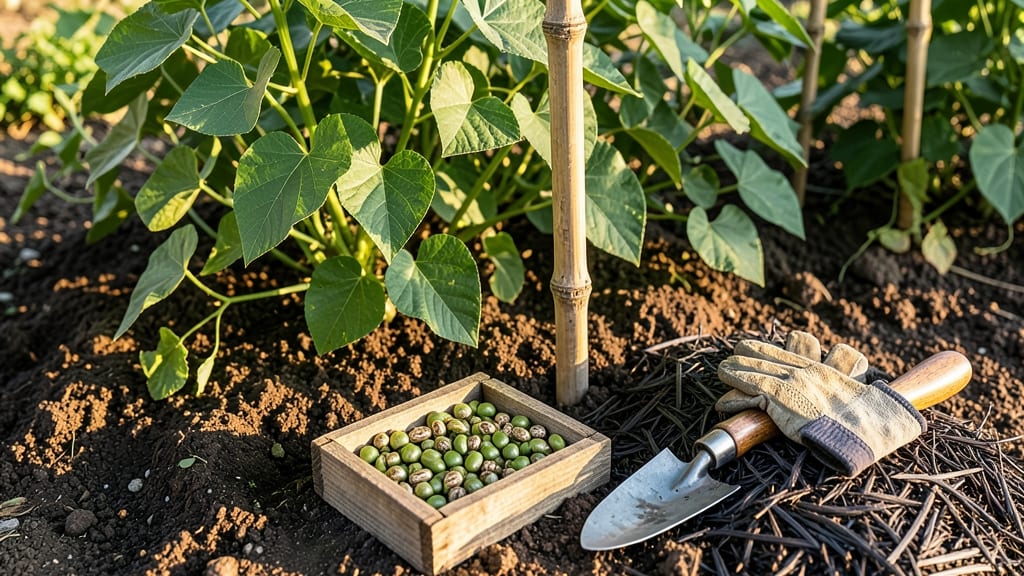
To plant green beans in your garden, start by choosing a sunny spot with well-draining soil and sowing seeds 1 inch deep after the last frost—this sets the stage for a bountiful harvest in just 55 days.
Green beans are one of the fastest-growing, easiest-to-cultivate vegetables—but planting them correctly is key to avoiding tangled vines, poor yields, and stunted growth. Whether you're a first-time gardener or a seasoned grower, getting the spacing, depth, and soil right makes all the difference.
In Zone 6a, aim for planting in April or May, when soil temperatures hit 60°F. Bush beans need 18-24 inches between rows, while pole varieties can climb 6-8 feet—so plan your layout accordingly to maximize space and airflow.
Below, I’ll walk you through soil prep, seed spacing, companion plants to boost growth, and simple care tips to keep your 🌱 green beans thriving until harvest season rolls around in July or August.

Perfect green bean planting conditions: soil, sunlight & spacing secrets
Green beans thrive when planted in the right conditions, but many gardeners struggle with soil quality, sunlight exposure, and proper spacing. These three factors directly impact your yield and plant health.
Whether you're growing bush beans or pole beans, understanding their unique needs will help you avoid common pitfalls like poor germination or tangled vines.
Let's start with soil composition. Green beans prefer well-draining, loamy soil with a slightly acidic to neutral pH range of 6.0 to 7.0. Heavy clay soils can suffocate roots, while sandy soils drain too quickly and may not retain enough moisture.
Amending your soil with compost or aged manure improves both drainage and nutrient availability, creating an ideal growing medium.
Sunlight is another critical factor. Green beans require full sun exposure, meaning 6 to 8 hours of direct sunlight daily. Without adequate light, plants grow leggy and produce fewer pods.
If your garden receives only partial sun, consider using reflective mulch or planting in a raised bed near a south-facing wall to maximize light exposure. Avoid planting in deep shade, as this leads to poor yields and weak stems.
When it comes to spacing, the type of green bean you're growing matters. Bush beans are compact and need 4 to 6 inches between plants, while pole beans require 6 to 8 inches apart to accommodate their climbing habit.
Rows should be spaced 18 to 24 inches apart for bush beans and 24 to 36 inches apart for pole beans. Proper spacing prevents overcrowding, reduces disease risk, and ensures good air circulation.
If your soil has drainage issues, consider planting in raised beds or mounding soil to improve water flow. Poor drainage can lead to root rot, especially during heavy rains.
To test your soil's drainage, dig a hole about 12 inches deep, fill it with water, and time how long it takes to drain. If it takes longer than 6 hours, amend your soil with organic matter like compost or coconut coir to improve drainage.
For pH balance, green beans prefer a slightly acidic to neutral environment. Use a soil test kit to check your garden's pH level. If the pH is too low (below 6.0), add pelletized lime to raise it.
If it's too high (above 7.0), mix in elemental sulfur to lower the pH. Aim for a balanced pH to ensure your plants can absorb essential nutrients like nitrogen, phosphorus, and potassium efficiently.
One common mistake is planting green beans too closely together, which leads to competition for nutrients and sunlight. Overcrowded plants also create a humid microclimate that encourages fungal diseases like rust or powdery mildew. To avoid this, follow the spacing guidelines and thin seedlings as needed.
If you're growing pole beans, install a trellis or stakes at planting time to support their vertical growth and save space in your garden.
Finally, consider your garden's layout when planning. If space is limited, pole beans are an excellent choice because they grow vertically, saving ground space while producing higher yields. For smaller gardens or containers, opt for bush bean varieties like 'Blue Lake' or 'Contender,' which are compact and easy to manage.
Always rotate your crops yearly to prevent soil-borne diseases and nutrient depletion.
By paying attention to these soil, sunlight, and spacing factors, you'll create an optimal environment for your green beans to thrive. Whether you're a beginner or a seasoned gardener, these conditions will set the stage for a bountiful harvest of fresh, crisp green beans all season long. 🌱
Step-by-step green bean planting process: when, where & how to sow seeds
Green beans grow best when planted directly in the garden after the last frost date, but knowing the right timing and method makes all the difference. Whether you're sowing seeds or transplanting seedlings, follow these proven steps to ensure strong, healthy plants from day one.
I’ve grown green beans for years and learned that soil temperature and moisture levels are critical for germination success.
Before you begin, check your USDA hardiness zone—most gardeners plant green beans between April and June, once soil reaches 60°F (15°C). In cooler zones (like 3-5), wait until late May or early June to avoid frost damage.
If you’re in a warmer zone (7-10), you can start as early as March, but avoid extreme heat, which can stress young seedlings.
How to Plant Green Beans in Garden: Step-by-Step
- 1 Prepare the soil: Loosen soil to a depth of 12 inches and mix in 2-3 inches of compost or well-rotted manure. Green beans prefer loamy, well-draining soil with a pH of 6.0–7.0. Avoid fresh manure, which can burn tender roots.
- 2 Choose your method: For direct sowing, plant seeds 1 inch deep, 4-6 inches apart in rows spaced 18-24 inches apart. If transplanting seedlings, space them 3-4 inches apart and bury slightly deeper than their container level to encourage root growth.
- 3 Water gently: Keep soil moist but not soggy during germination. Use a spray nozzle or drip irrigation to avoid displacing seeds. Aim for 1 inch of water per week, especially during dry spells. Mulch with straw to retain moisture and suppress weeds.
- 4 Add trellises for pole beans: If growing pole varieties, install 6-8 foot tall trellises or stakes at planting time. Train vines to climb as they grow to save space and improve air circulation, reducing disease risk. Use soft twine or garden ties to guide vines gently.
- 5 Plant companion crops: Interplant with radishes, lettuce, or marigolds to deter pests like Mexican bean beetles. Avoid planting near onions or garlic, which can stunt growth. Companion planting also maximizes space in small gardens.
- 6 Thin seedlings: Once seedlings reach 2-3 inches tall, thin to the recommended spacing (4-6 inches for bush beans, 6-8 inches for pole beans). Snip seedlings at soil level with scissors to avoid disturbing roots of remaining plants. Use thinned seedlings in salads or compost them.
For succession planting, sow new seeds every 2-3 weeks until mid-summer to ensure a continuous harvest. This works especially well in warmer climates where beans can tolerate heat better.
I’ve found that planting in partial shade during peak summer (like in Zone 9) can prevent flowering from stopping due to heat stress.
Green beans are self-pollinating, so you don’t need to worry about cross-pollination unless you’re saving seeds. However, if you’re growing multiple varieties, keep them at least 50 feet apart to prevent unwanted mixing. Always label your rows to avoid confusion, especially if you’re experimenting with heirloom varieties.
Finally, remember that consistent moisture is key—never let the soil dry out completely, especially during flowering and pod formation. A simple trick I use is to check soil moisture by pressing your finger 1 inch deep; if it feels dry, it’s time to water.
With these steps, you’ll be harvesting tender, crisp green beans in just 50-60 days! 🌱