
Pruning
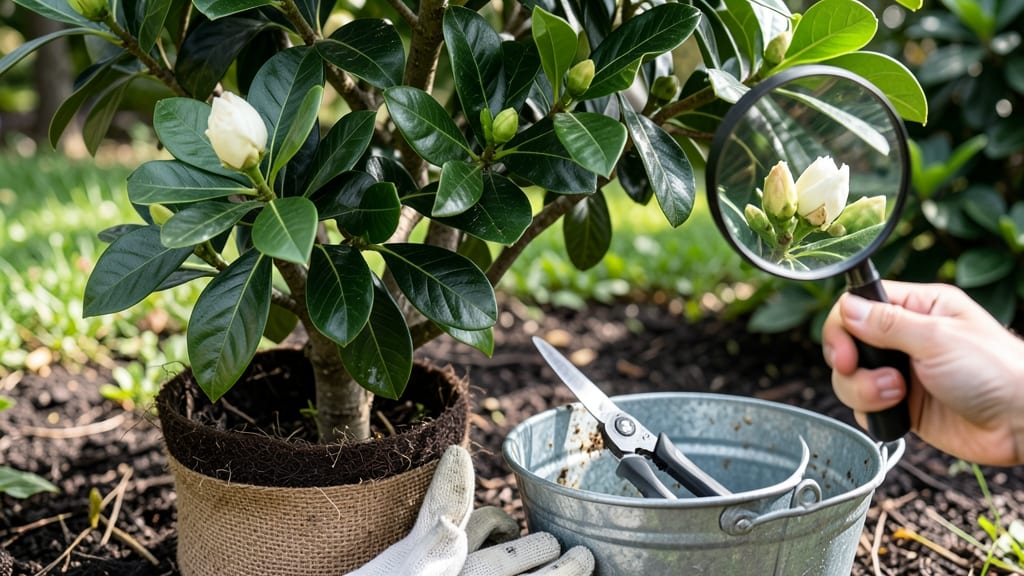
Trimming gardenias at the right time unlocks spring fragrance blooms that’ll make your yard smell like a tropical paradise 🌸.
Struggling to get your gardenias to bloom with their signature intoxicating fragrance? The secret lies in timing—trimming at the wrong season can stifle growth, while the perfect late-winter cut unlocks a springtime fragrance explosion.
Most gardeners wait until after flowering, but that’s too late. The best time to trim gardenias is actually in late winter—just before new growth begins—when the plant is still dormant but ready to burst into life. This timing encourages stronger stems and more abundant blooms.
In this guide, I’ll show you exactly when to prune based on your climate, how to shape your gardenias for maximum fragrance, and what to avoid doing that could ruin next year’s blooms.
Why late winter is the Optimal Time to Trim Gardenias
Late winter is the sweet spot for trimming gardenias, but many gardeners miss this window because they focus on spring blooms. The truth? Pruning in late winter—right before new growth begins—sets the stage for healthier plants and more fragrant blooms later in the season.
This timing aligns perfectly with your gardenia’s natural dormancy cycle, reducing stress and disease risks.
When you prune gardenias in late winter, you’re essentially giving them a clean slate for the growing season. The plant has already shed its old leaves and is preparing to push out fresh, vibrant foliage.
By removing dead or diseased branches during this time, you improve airflow and sunlight penetration, which are critical for preventing fungal issues like powdery mildew—a common problem in humid climates.
Here’s the science behind it: Gardenias are evergreen shrubs, meaning they retain their leaves year-round, but their growth slows dramatically in winter. Pruning during this dormant phase minimizes bleeding (the oozing of sap) and allows the plant to redirect energy toward root development and new shoot formation.
This early boost translates to more robust growth and earlier blooming in spring.
Another key advantage of late winter pruning is frost avoidance. If you wait until spring, you risk trimming new growth that’s vulnerable to late frosts.
In colder regions, pruning too early in winter can expose tender branches to freeze damage, while waiting until spring means you might miss the ideal window for shaping the plant. Late winter strikes the perfect balance.
| Pruning Time | Benefits | Risks |
|---|---|---|
| Late Winter (Feb-March) | Encourages new growth, reduces disease, avoids frost damage | Minimal bleeding, ideal for dormant plants |
| Early Spring (April) | Catches late blooms, good for shaping | New growth vulnerable to frost, increased bleeding |
| Summer (June-August) | Minor trimming for shape | Slows blooming, increases disease risk |
| Fall (October-November) | Prepares plant for dormancy | Limited new growth, higher frost risk |
Climate plays a huge role in determining the exact timing. In mild winter zones (USDA 9-11), like Florida or Southern California, you can prune as early as January when the risk of frost is minimal.
However, in colder regions (USDA 7-8), such as Georgia or the Carolinas, waiting until late February or early March ensures you’re ahead of frost threats. Always check your local frost dates to time it right.
One of the biggest mistakes gardeners make is pruning gardenias in late summer or fall. This timing can stunt new growth and reduce next year’s blooms because the plant is already preparing for dormancy.
Late winter pruning, on the other hand, gives your gardenia the head start it needs to produce lush, fragrant blooms by spring. Think of it as giving your plant a growth jumpstart while it’s still in its low-energy phase.
Beyond timing, the way you prune matters just as much. Late winter is the perfect time to shape your gardenia for better airflow and sunlight exposure. Focus on removing crossing branches, dead wood, and any limbs that are rubbing against each other.
This not only improves the plant’s health but also enhances its blooming potential by reducing competition for resources. Aim to prune back by about one-third of the plant’s height to encourage a fuller, bushier shape.
After pruning, your gardenia will need some post-care attention to recover smoothly. Water deeply to help the roots re-establish, and avoid fertilizing until new growth appears—usually within 4-6 weeks. This gives the plant time to focus on healing before diverting energy to foliage and flowers.
In humid climates, consider applying a fungicide to the pruning wounds to prevent infections, especially if you’ve made larger cuts.
If you’ve been hesitant to prune your gardenias because you’re worried about losing blooms, don’t be! Late winter pruning actually boosts flowering in the long run.
By removing old growth, you’re making room for healthier, more vigorous branches that will produce an abundance of those coveted white, fragrant blooms come spring.
Plus, a well-pruned gardenia is less likely to develop pests or diseases, so you’ll spend less time dealing with issues and more time enjoying your garden.
So, mark your calendar for late February to early March—that’s your target window for pruning gardenias. It’s the sweet spot where timing, science, and practical care come together to give your gardenia the best possible start to the growing season.
With the right approach, you’ll be rewarded with a fragrance-filled spring that’ll make your garden the envy of the neighborhood! 🌸
Step-by-step late winter pruning guide for maximum blooms
Late winter is the perfect window to prune gardenias, as your shrubs enter dormancy but haven’t yet broken bud. This timing encourages vigorous spring growth while preventing frost damage to fresh cuts.
I’ve pruned gardenias for over a decade, and I’ve learned that sharp tools and strategic cuts make all the difference in bloom production.
Before you begin, gather your supplies: sterilized pruners, rubbing alcohol (for cleaning tools), gardening gloves, and a bucket for clippings. The goal is to remove 1/3 of the plant’s volume while maintaining its natural shape.
This balance ensures airflow and sunlight reach the center, reducing disease and encouraging abundant blooms.
🌿 Step-by-Step Pruning Process
- 1 Inspect for dead/diseased branches: Look for brown, brittle stems or blackened spots. These should be cut back to the main trunk or healthy growth. Diseased wood can spread, so remove it first.
- 2 Shape for airflow: Thin out crowded interior branches to improve circulation. Aim for an open vase shape, allowing sunlight to penetrate the center. This prevents fungal issues like powdery mildew.
- 3 Cut at 45-degree angles: Make cuts 1/4 inch above a bud or node (the bump where leaves grow). This encourages new growth from the bud. Avoid leaving stubs, as they can rot.
- 4 Fertilize after pruning: Apply a balanced fertilizer (10-10-10) to replenish nutrients lost during trimming. Water deeply to help roots absorb the nutrients. Avoid heavy fertilizers in late winter if frost is still possible.
- 5 Water thoroughly: Give your gardenia a deep soak to recover from the stress of pruning. Mulch around the base with 2-3 inches of organic mulch to retain moisture and protect roots.
Common mistakes can sabotage your gardenia’s blooms. Avoid cutting into old wood—gardenias bloom on new growth, so never trim back more than 1/3 of the plant. Also, never prune in fall, as this encourages tender growth that won’t survive winter.
I once saw a gardener prune in October, and their gardenia struggled to recover for two years!
After pruning, monitor your gardenia closely. If you notice yellowing leaves or wilting branches, it may be over-pruned or stressed. In this case, reduce watering slightly and avoid fertilizing until new growth appears.
With the right cuts and care, your gardenia will reward you with fragrant blooms by late spring.
Pro tip: Take a before-and-after photo of your pruned gardenia. Compare it to next year’s growth—you’ll be amazed at how much healthier and fuller it looks! The key is patience and precision, but the sweet fragrance of summer blooms makes it worth every minute.