
Shrubs
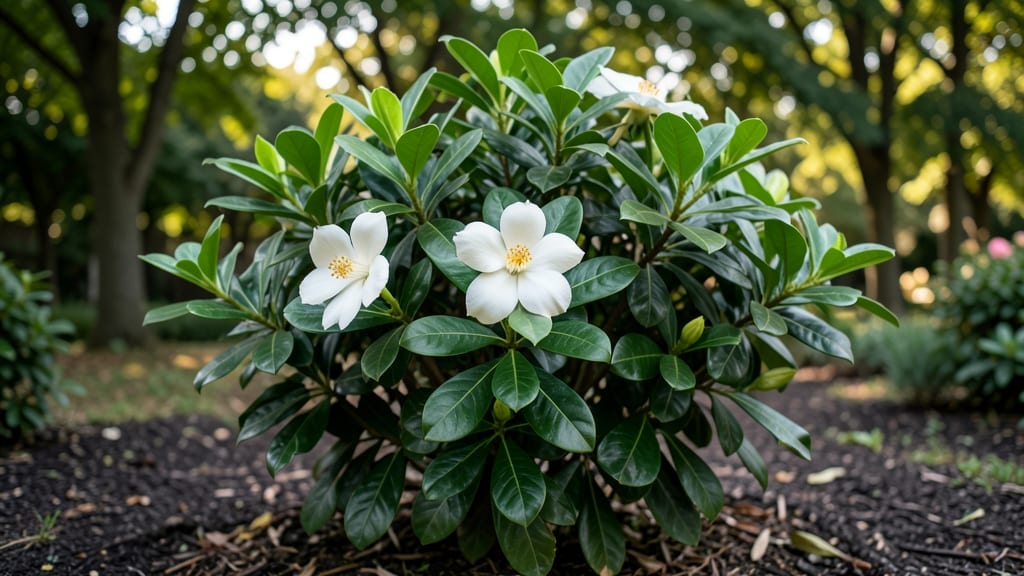
A full grown gardenia bush 🌸 can reach 4 to 6 feet tall, transforming your garden into a fragrant sanctuary—but only if you know its care secrets.
Picture this: a glossy, dark-green shrub bursting with creamy-white blooms that perfume the air for miles. Yet, many gardeners struggle to keep their gardenias thriving past the first year. The key? Understanding its mature size, pruning needs, and exact care requirements to ensure year-round beauty.
In this guide, you’ll learn how to maintain your gardenia’s ideal shape, when to prune for maximum blooms, and the simple soil and watering tricks that keep it lush.
Whether you’re dealing with leggy growth or sparse flowers, these tips will help you cultivate a full-grown gardenia that stays healthy, fragrant, and stunning.
From choosing the right location to fertilizing for continuous blooms, we’ll cover everything you need to turn your gardenia into the star of your outdoor space. Ready to unlock its full potential?
How to identify and care for a mature gardenia bush
A full grown gardenia bush typically reaches 4-6 feet tall with a similar spread, creating a lush, fragrant focal point in any landscape. These evergreen shrubs produce creamy white blooms with intoxicating aromas, but their beauty requires precise care.
Identifying maturity involves checking for thick, woody stems and multiple blooming cycles per season.
Gardenia bushes thrive in USDA zones 6-10, making them ideal for warm climates. They demand acidic soil (pH 5.0-6.5) and consistent moisture, but overwatering can suffocate roots. Their partial shade preference (4-6 hours of sunlight) prevents leaf scorch while maintaining bloom production.
One of the most common mistakes with full grown gardenia bushes is overpruning, which removes next year's flower buds. Always prune after blooming season (late summer to early fall) to encourage new growth while preserving current year's flowers. Use sterilized shears to prevent disease spread.
Your gardenia's fragrance intensity depends heavily on its sunlight exposure. While they prefer partial shade, placing them in morning sun with afternoon shade enhances bloom production. Avoid deep shade, which reduces flowering and weakens stems.
Soil moisture is critical—soggy roots cause root rot, while dry soil leads to bud drop. Test soil moisture by inserting your finger 2 inches deep; water when dry. A 2-3 inch mulch layer helps retain moisture and regulate soil temperature.
Fertilizing a mature gardenia bush requires patience. Over-fertilizing burns roots, while under-fertilizing stunts growth. Use a balanced acid fertilizer (like 10-10-10) every 6 weeks during growing season, applying it 1 inch away from stems to avoid leaf burn.
Pests like aphids and spider mites often target stressed gardenias. Inspect leaves regularly for sticky residue or webbing. Treat infestations with neem oil or insecticidal soap, applying in early morning to prevent harming beneficial insects.
Winter care varies by climate. In USDA zones 6-7, protect your gardenia with burlap wraps or mulch blankets to shield roots from freezing. In warmer zones, reduce watering but maintain consistent moisture—never let soil dry completely.
With proper care, your full grown gardenia bush will reward you with year-round fragrance and vibrant blooms. The key is consistency: acidic soil, partial shade, and patient pruning create the perfect conditions for this tropical beauty to thrive in any garden.
Step-by-step pruning guide for full grown gardenia bushes
Pruning your full grown gardenia bush is essential for maintaining its tropical shape, encouraging abundant blooms, and preventing disease. When done correctly, pruning can double your fragrance output while keeping the plant healthy for years.
The key is timing—most gardeners make the mistake of pruning at the wrong time, which can stunt blooming or invite pests.
Gardenias bloom on new wood, meaning they produce flowers on current season’s growth rather than old wood. This makes light pruning in early spring the best approach, but heavy pruning can be done after blooming to reshape.
Below, I’ll walk you through the exact steps, tools, and seasonal timing to keep your gardenia looking like a luxurious tropical escape.
🌿 Step-by-Step Pruning Guide
- 1 Choose the Right Time: Prune lightly in early spring (March-April) to encourage new growth. For heavy shaping, wait until after blooming (June-July) to avoid removing next year’s flower buds.
- 2 Gather Your Tools: Use sterilized bypass pruners for clean cuts, disinfectant (1 part bleach to 9 parts water), and sharp pruning shears. Avoid dull tools that tear branches, which invites disease.
- 3 Remove Dead or Diseased Wood: Start by cutting out any brown, mushy, or crisscrossing branches. These are energy drains and can spread rot. Make cuts 1/4 inch above a leaf node for healthy regrowth.
- 4 Shape the Bush: For a rounded, natural look, trim outer branches to encourage bushier growth. Avoid cutting into the center too much, as this reduces airflow and causes mildew. Aim for a balanced silhouette.
- 5 Clean Up and Disinfect: Remove all pruned debris from the area and sterilize tools with rubbing alcohol. This prevents fungal spores from lingering and infecting fresh cuts.
- 6 Post-Pruning Care: Water deeply to help the plant recover, and apply a balanced fertilizer (10-10-10) to support new growth. Avoid heavy watering for 3-5 days to allow cuts to callus over.
After pruning, your full grown gardenia bush should look neater and more vibrant. The key to long-term success is consistency—stick to this schedule, and you’ll enjoy year-round fragrance with minimal effort. Just remember: less is more when pruning gardenias. Over-pruning can reduce blooming and stress the plant.
For extra fragrance, pair your pruning with a light feeding of acid-loving fertilizer in spring. This combo ensures your gardenia stays lush, fragrant, and disease-free for seasons to come. Happy pruning! ✂️🌸