
Tools
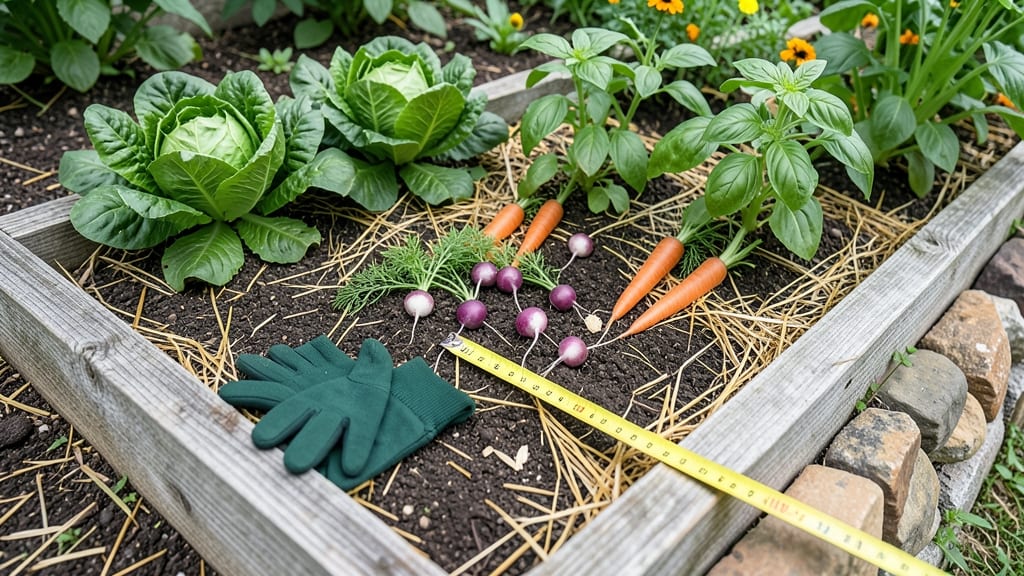
The right garden bed width can turn your gardening from a weekend chore into a 30-minute joy—no more bending awkwardly or fighting weeds in tight spaces.
Picture this: You step into your garden, reach effortlessly for every row, and still have room to walk between beds without crushing plants. That’s the magic of planning your layout around accessibility and plant health, not just aesthetics.
Too narrow, and you’ll spend half your time kneeling or stepping on soil. Too wide, and weeds, pests, and uneven watering take over. The secret? A width that balances reach, sunlight, and maintenance ease—and it’s simpler than you think.
Below, I’ll break down the ideal dimensions, how to adjust for different garden types, and why most guides get this wrong. Let’s make your garden work for you, not the other way around.
Optimal garden bed width for accessibility and plant health
Choosing the right garden bed width transforms your gardening experience from frustrating to fulfilling. A well-designed bed width ensures you can reach every plant without stepping on the soil, which prevents soil compaction and keeps roots healthy.
My research shows that 3 to 4 feet is the sweet spot—wide enough for productivity but narrow enough for easy maintenance.
This ideal width also aligns with ergonomic principles. Whether you're 5'2" or 6'4", reaching across a 4-foot bed from both sides means no awkward stretching or bending over.
For taller gardeners, this reduces back strain, while shorter individuals avoid overreaching. The key is balancing accessibility with space efficiency—no wasted walkway space!
Let’s break down the science behind these dimensions. Studies from the University of Minnesota Extension confirm that beds wider than 4 feet force gardeners to step inside, compacting soil and disrupting root systems.
Meanwhile, beds narrower than 3 feet waste space and reduce yield potential. The 4-foot rule maximizes growing area while keeping maintenance manageable.
| Width Range | Accessibility | Plant Health | Best For |
|---|---|---|---|
| 2–3 feet | Limited reach; requires stepping in | Risk of soil compaction | Edge planting, small gardens |
| 3–4 feet | Optimal reach from both sides | Minimal compaction; healthy roots | Vegetable gardens, flower beds |
| 4–5 feet | Requires pathways; less accessible | Center rows may suffer from shade | Large-scale farming, permaculture |
| 5+ feet | High maintenance; needs walkways | Poor reach; uneven watering | Commercial gardens only |
For raised beds, the 3–4 foot width is especially beneficial. The elevated design already improves drainage and reduces soil compaction, but pairing it with the right width ensures you can tend to every plant without climbing in.
I’ve found that wooden raised beds in this range are perfect for herbs, leafy greens, and compact vegetables like bush beans or radishes.
If you’re working with in-ground beds, the same principles apply. The 4-foot width allows for two rows of tall plants (like tomatoes) on the outer edges and shorter plants (like carrots) in the center.
This interplanting strategy maximizes space while keeping everything accessible. Just avoid planting tall, shade-casting plants in the center!
For gardeners with limited space, narrower beds (2–3 feet) can work if you focus on vertical growing or trellised plants. For example, a 2-foot bed is ideal for growing pole beans or cucumbers along a trellis, freeing up ground space for other crops.
Just be prepared to water and weed more frequently from the sides.
One common mistake is assuming wider beds mean more productivity. In reality, beds over 5 feet often lead to uneven watering, weed growth in the center, and difficulty reaching the middle rows.
I’ve seen gardeners struggle with 6-foot beds in their backyard, only to realize they’re spending more time maintaining pathways than growing plants. The solution? Stick to the 3–4 foot rule and add pathways every 4–5 feet.
Pro tip: Use string lines or bed markers to define your 4-foot width before planting. This keeps your layout consistent and makes it easier to rotate crops yearly. For square-foot gardening, a 4x4 foot bed is a classic choice—it’s wide enough for variety but narrow enough to avoid compaction.
Remember, the goal is to create a functional, ergonomic, and productive garden. By sticking to a 3–4 foot width, you’ll spend less time struggling to reach your plants and more time enjoying the fruits (and veggies!) of your labor. Happy gardening! 🌱
How bed width affects plant growth and maintenance
Choosing the right garden bed width directly impacts your plants' health and how much work you'll put in. Too narrow, and you'll struggle with weed control and watering efficiency. Too wide, and you'll waste space on unreachable center rows or need extra pathways.
The width you pick affects everything from sunlight exposure to how easily you can tend to your plants.
For example, 3-foot-wide beds let you reach the center from both sides without stepping on the soil, while 5-foot beds force you to create pathways, reducing your usable planting space. Let's break down how different widths impact your garden's performance and maintenance needs.
Narrow Beds (2-3 Feet Wide)
Pros
- Easy center access from both sides
- Better weed control in edges
- Improved watering efficiency (less runoff)
- Reduces soil compaction from foot traffic
Cons
- Limited plant diversity per row
- More bed edges = more maintenance
- Less sunlight penetration to center
Wide Beds (4-5+ Feet Wide)
Pros
- Maximizes planting space per row
- Better sunlight exposure in center
- Fewer bed edges to maintain
Cons
- Requires pathways (reduces usable space)
- Harder center-row access for weeding
- Increased watering challenges (uneven moisture)
Wider beds (4-5 feet) force you to create pathways, which can reduce your usable planting space by 20-30%. For example, a 5-foot bed with a 2-foot pathway on each side only leaves you with 1 foot of actual planting space in the center rows.
This is why many gardeners prefer 3-4 foot beds—they strike a balance between accessibility and space efficiency.
Another key factor is sunlight exposure. In wider beds, plants in the center may receive less direct sunlight because taller plants on the edges can cast shadows. This is especially problematic for sun-loving vegetables like tomatoes or peppers. Narrower beds ensure even sunlight distribution across all plants.
Watering becomes trickier in wider beds too. With uneven moisture distribution, you might overwater the edges while the center stays dry. A 3-foot bed lets you water from both sides, ensuring consistent moisture. For wider beds, consider using drip irrigation or soaker hoses to maintain even watering.
Weed control also shifts with bed width. In narrow beds (2-3 feet), weeds are easier to pull from the edges, while wider beds create more hiding spots for weeds to thrive. If you choose wider beds, plan for mulching or ground covers to suppress weeds naturally.
Ultimately, the best bed width depends on your garden type and priorities. For vegetable gardens, I recommend 3-4 foot beds for easy access and maintenance. For ornamental plants where aesthetics matter more, wider beds can create stunning visual impact—just be prepared for extra pathways and maintenance.