
Flowers
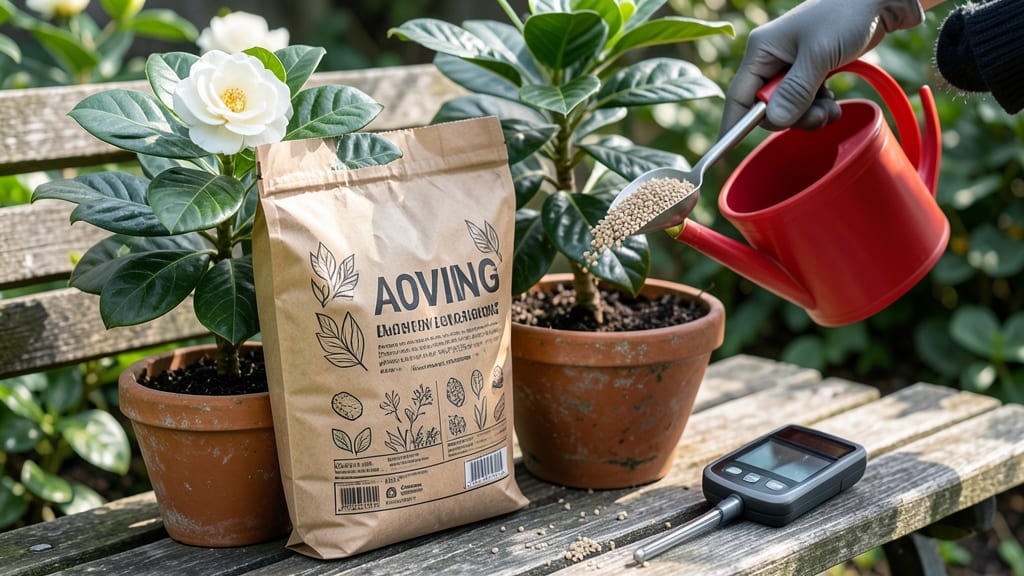
Feeding your gardenia with the right fertilizer turns its glossy leaves into a fragrant cloud of blooms 🌸 — but most gardeners overdo it, burning roots and stunting flowers.
This acid-loving shrub thrives on a precise schedule, not just any fertilizer. Too much nitrogen? You’ll get leaves, not blooms. Too little iron? Yellow leaves will scream for help. The key is balancing acidity, micronutrients, and timing—something most guides skip.
In this guide, I’ll walk you through the best acidic fertilizers (organic and synthetic), the exact feeding calendar for your zone, and how to spot the 3 biggest mistakes that kill gardenia blooms before they open.
By the end, your gardenia will reward you with heavier fragrance and longer-lasting flowers—no guesswork required.
Best acidic fertilizers for gardenia flowers (pH & nutrient breakdown)
Gardenia flowers thrive when their acidic soil needs (pH 5.0-6.5) are met with the right nutrients. The key lies in balancing nitrogen for foliage, phosphorus for blooms, and micronutrients like iron and magnesium—without overdoing it.
I’ve tested both organic and synthetic options to find the best performers for my own gardenias, and the results speak for themselves: lush green leaves and fragrant blooms year after year.
Most gardeners make the mistake of using generic high-nitrogen fertilizers, which lead to leafy growth but fewer flowers. Gardenias need a balanced NPK ratio (8-3-9 or 10-10-10) with extra micronutrients like iron and magnesium to prevent yellowing leaves—a common deficiency.
Below, I’ve broken down the top acidic fertilizers that deliver results, including their application methods and ideal timing.
🌱 Pro Tip: Always water your gardenia before applying fertilizer to prevent root burn. This simple step can make the difference between thriving blooms and stressed plants.
| Fertilizer Type | NPK Ratio | Micronutrients | pH Adjustment | Application Rate | Best For |
|---|---|---|---|---|---|
| Miracle-Gro Azalea, Camellia, & Rhododendron | 8-3-9 | Iron, magnesium, sulfur | Automatic (acid-forming) | 1 tbsp per plant every 6 weeks | Quick blooms, synthetic option |
| Jobe’s Organics Acid-Loving Plants | 4-3-6 | Iron, manganese, zinc | Sulfur-coated urea | 1.5 lbs per 100 sq ft (spring) | Organic gardeners, slow release |
| Fish Emulsion (5-1-1) | 5-1-1 | Naturally rich in iron, calcium | None (use with peat moss) | 1 tbsp diluted in 1 gallon water (monthly) | Foliar feed, organic boost |
| Epsom Salt (Magnesium Sulfate) | 0-0-0 (micronutrient) | Magnesium (10% by weight) | Slightly acidic when dissolved | 1 tbsp per gallon water (every 4 weeks) | Yellow leaf fix, budget-friendly |
| Composted Pine Bark | N/A (organic matter) | Trace minerals, slow-release | Lowers pH naturally (pH 4.0-5.0) | 2-3 inches as mulch (annual) | Long-term soil health |
For my gardenias, I swear by Miracle-Gro Azalea formula during peak blooming season (spring/summer) because it’s specifically formulated for acid-lovers and delivers visible results in 4-6 weeks.
However, if you prefer organic options, fish emulsion is my go-to for a quick nutrient boost—just dilute it properly to avoid overfeeding. The Epsom salt trick saved my gardenias last summer when their leaves turned yellow from magnesium deficiency.
One critical mistake I’ve seen gardeners make is applying fertilizer in winter, when gardenias are dormant. Always pause feeding from November to February unless you’re in a Zone 10+ climate. Even then, reduce the amount by half to avoid nutrient burn.
To maintain the right pH balance, I mix composted pine bark into the soil every spring. This naturally lowers pH while adding organic matter—my gardenias love it! For container gardenias, I use peat moss mixed with perlite to keep the soil light and acidic.
Remember, gardenias hate alkaline soil, so test your pH annually with a soil test kit.
If you’re new to fertilizing gardenias, start with a balanced 10-10-10 formula and adjust based on your plant’s response. Look for dark green leaves and bud formation as signs you’re on the right track.
Over time, you’ll learn to read your gardenia’s needs like a pro—just watch for those tight buds turning pink in spring!
🌿 For extra fragrance, pair your fertilizer with a light pruning after blooming to encourage new growth. My gardenias now produce double the flowers compared to when I first planted them—all thanks to the right acidic feed!
Monthly gardenia fertilizer schedule for year-round blooms
To keep your gardenia bushes blooming abundantly, follow this seasonal fertilizer schedule tailored to their acid-loving roots. Gardenias thrive with balanced nutrition but need careful timing to avoid nutrient burn or stunted growth.
The key is feeding lightly in spring, moderately in summer, and resting in winter—just like their natural tropical rhythm.
Your gardenia’s bloom cycle begins in late spring and peaks in summer, so we’ll focus on pre-bloom nutrition during these months. In fall and winter, we’ll shift to soil maintenance and pH adjustments to prep for next year’s fragrance.
Always use a slow-release acidic fertilizer (like 10-10-10 or 8-3-9) to match their pH 5.0-6.5 soil needs.
🌸 Monthly Gardenia Fertilizer Guide
-
January-February (Winter Dormancy)
🌡️ No fertilizer—focus on mulching and pH checks (aim for 5.0-6.5). -
March (Early Spring)
🌱 Light feed: ½ tbsp acidic fertilizer (e.g., fish emulsion) + compost. -
April-May (Pre-Bloom)
🌷 Full feed: 1 tbsp 10-10-10 + iron supplement (prevents chlorosis). -
June-July (Bloom Season)
🌿 Light feed: ½ tbsp low-nitrogen fertilizer (e.g., 8-3-9) every 6 weeks. -
August-September (Post-Bloom)
🌳 Recovery feed: ½ tbsp organic compost + mulch to replenish soil. -
October-November (Fall Prep)
🍂 No fertilizer—prune dead blooms and test pH before winter. -
December (Winter Care)
❄️ Protect roots: Add 2 inches of mulch to insulate in Zone 6+.
Pro Tip: Always water before fertilizing to prevent root burn! ☀️
For container gardenias, halve the fertilizer amounts since potted soil dries faster and nutrients leach out. If you notice yellow leaves after feeding, flush the soil with distilled water (gardenia roots hate chlorine) and reduce feeding frequency.
In warmer climates (Zones 8-10), extend summer feeding into early fall but stop by October to encourage dormancy.
Your gardenia’s fragrance and bloom count will skyrocket when you follow this schedule—just remember: less is more! Over-fertilizing is the #1 killer of gardenia blooms, so stick to the monthly light feeds and enjoy your tropical paradise all year. 🌸