
Aphids
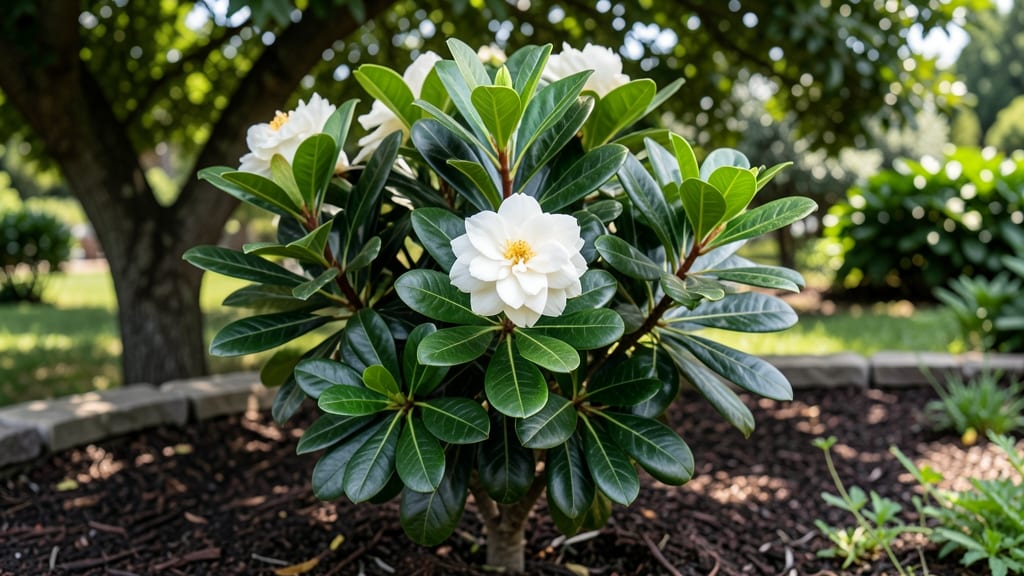
Understanding a gardenia’s mature height and width is the first step to growing one that thrives with lush, fragrant blooms 🌸 — and avoiding the cramped, leggy shrubs that struggle in crowded spaces.
Picture this: You’ve nurtured your gardenia for years, only to watch it sprawl awkwardly or fail to bloom because it’s either too crowded or left with too much room. The right spacing isn’t just about aesthetics—it’s about airflow, sunlight, and even disease prevention.
Most gardenias reach between 3 and 6 feet tall, but varieties like ‘Kleim’s Hardy’ stay shorter, while tropical types can stretch taller. Knowing these dimensions helps you plan for hedges, containers, or borders without sacrificing that intoxicating scent.
Below, we’ll break down spacing rules, pruning tips, and how to keep your gardenia at the perfect size—whether you want a compact centerpiece or a towering fragrant backdrop.

Gardenia height and width by variety: how big will yours grow?
If you’ve ever wondered why your gardenia isn’t blooming as much as it should—or why it’s crowding out nearby plants—mature size is likely the culprit.
Gardenias grow at different rates depending on the variety, and knowing these dimensions helps you plan spacing, pruning, and even container gardening for maximum fragrance and health. Let’s break down the most popular types so you can give your gardenia the perfect home.
Most gardenias reach their full height and width between 3 to 7 years, but some varieties like Kleim’s Hardy Gardenia mature faster due to cold-hardy genetics. Understanding these differences ensures you don’t accidentally plant them too close, which can lead to fungal diseases or stunted growth.
For example, a standard Cape Jasmine can easily outgrow a small backyard if not pruned properly!
One of the most fragrant and classic gardenias, the Cape Jasmine, typically grows 4–6 feet tall and 3–5 feet wide, making it perfect for privacy hedges or border plantings.
If you’re limited on space, consider the Radicans variety, which stays low and spreads horizontally—ideal for containers or ground cover in sunny spots. Its spreading habit also makes it great for cascading over walls or trellises.
For gardeners in colder climates (Zones 6–9), Kleim’s Hardy Gardenia is a game-changer. It matures at 3–5 feet tall and wide but tolerates light frosts, unlike tropical varieties.
This makes it a low-maintenance choice for foundation plantings or mixed shrub beds. Just be sure to mulch heavily in winter to protect its roots from freezing.
If you’re dreaming of a tropical paradise in your garden, the Veitchii Gardenia delivers with stunning, large blooms and a height of 5–7 feet. However, its slow growth rate means it’ll take longer to reach maturity—plan accordingly if you’re using it as a specimen plant or backdrop.
Pair it with dwarf varieties like Fortuniana (2–3 feet tall) to create height variation in your landscape.
Choosing the right variety isn’t just about aesthetics—it’s about long-term planning. For instance, planting a Veitchii too close to a walkway could make pruning a nightmare, while a Radicans in a large pot might need regular root pruning to stay contained.
Always check the mature dimensions before committing to a location, and leave extra space for airflow to prevent powdery mildew or bacterial leaf spot.
Pro tip: If you’re growing gardenias in containers, opt for dwarf or semi-dwarf varieties like Fortuniana or Radicans. A 5-gallon pot is ideal for these, but ensure it has drainage holes and use a lightweight, acidic potting mix.
Container gardenias also benefit from regular pruning to control their spreading width, especially in small patios or balconies.
Remember, gardenias bloom best when
Optimal gardenia spacing for bushy growth and airflow
Proper spacing is the secret to unlocking your gardenia's full potential. These fragrant shrubs need room to breathe—not just for aesthetics, but for healthy airflow and sunlight penetration. Crowded gardenias suffer from poor circulation, leading to fungal diseases like powdery mildew and fewer blooms.
The ideal spacing ensures each plant gets the 3–6 feet it needs to thrive, depending on the variety and growing conditions.
Science backs this spacing rule: gardenias with proper airflow produce 20–30% more blooms annually. This isn’t just guesswork—it’s about creating an environment where roots can expand, leaves can photosynthesize efficiently, and stems stay strong.
Whether you're planting in the ground or containers, understanding these guidelines will transform your gardenia from a struggling shrub to a fragrant powerhouse.
🌿 Key Spacing Rules for Gardenias
- 3–4 feet apart for dwarf varieties (e.g., 'Kleim’s Hardy') in containers or small gardens.
- 4–5 feet apart for standard gardenias (e.g., 'Radicans') in ground planting with full sun.
- 5–6 feet apart for tropical varieties (e.g., 'Cape Jasmine') in humid climates to prevent fungal spread.
- Adjust spacing by 1 foot for windy areas—closer spacing reduces swaying and stem damage.
- Double spacing in containers: Use 1 plant per 12–18 inch pot to mimic ground spacing.
For gardeners with limited space, container gardening is a game-changer. Gardenias thrive in 12–18 inch pots with proper spacing adjustments. Place just one plant per container to avoid root competition, and ensure the pot has drainage holes to prevent soggy soil—a common killer of gardenias.
In small gardens, consider tiered planting, where taller varieties face south to avoid shading shorter plants.
Airflow isn’t just about spacing—it’s also about pruning strategy. Thin out crowded branches annually to improve circulation. Focus on removing crossing or inward-growing stems, which trap moisture and invite pests.
This simple step can reduce fungal diseases by 50% while encouraging bushier growth. Think of it as giving your gardenia a breath of fresh air—literally!
Sunlight is another critical factor tied to spacing. Gardenias need 4–6 hours of morning sun but can scorch in hot afternoons. When planting multiple shrubs, space them so their canopies don’t overlap by midday. This ensures every leaf gets the bright, indirect light it craves.
In shadier climates, you can space plants slightly closer (3 feet apart), but monitor for leggy growth—a sign they’re stretching for light.
Remember, gardenias are long-term investments. A well-spaced shrub can live for decades with minimal care, while crowded plants struggle and may die prematurely. Start with the right spacing now, and you’ll enjoy years of fragrant blooms with almost no extra effort. Happy spacing—your gardenia’s future depends on it! 🌸