
How To
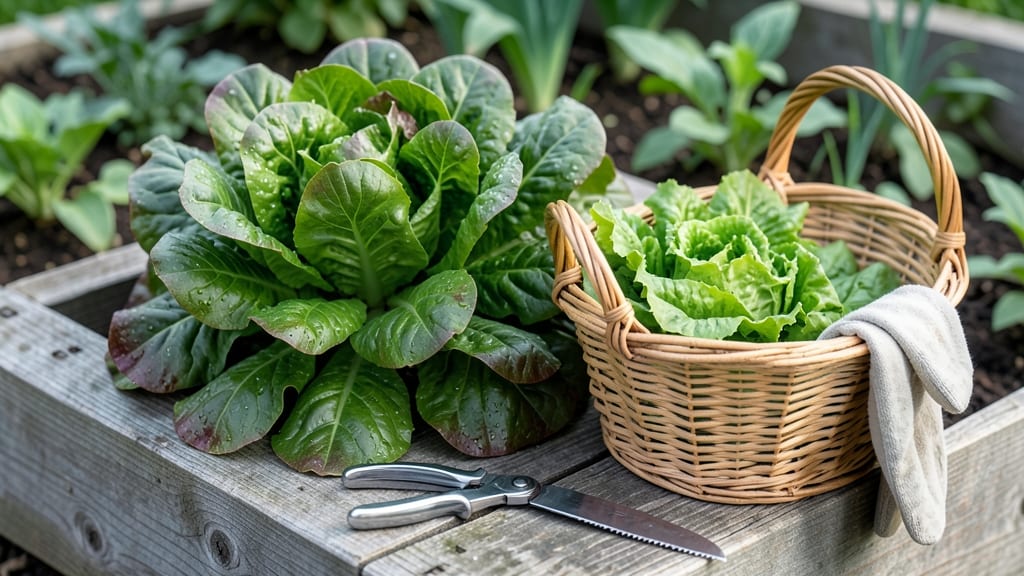
Harvesting lettuce from your garden at the right time ensures crisp, flavorful greens 🥬 that keep coming back—here’s how to do it without wasting a single leaf.
Nothing beats the freshness of homegrown lettuce—crisp, vibrant, and packed with flavor—but knowing exactly when and how to harvest it can make all the difference between a perfect salad and wilted disappointment.
You’ll learn the three key signs your lettuce is ready (leaf size, color, and texture), plus the best methods for cutting—whether you want a full head or continuous harvests. Avoid common mistakes like overwatering or harvesting too late, which can ruin your crop.
By the end, you’ll confidently pick your lettuce at peak freshness, extend your harvest season, and even troubleshoot pests or bolting before they strike. Ready to turn your garden into a salad bar?


3 Clear signs your lettuce is ready for harvesting (with visual cues)
Harvesting lettuce at the right time ensures the best flavor, texture, and continued growth. If you've been watching your plants grow but aren't sure when to pick, look for these three key maturity signs.
Each one tells you whether your lettuce is ready for harvest—or still needs time to develop.
First, pay attention to leaf size. Mature lettuce leaves typically measure between 4 to 6 inches long. If your plants are smaller, they need more time in the garden. For varieties like romaine or buttercrunch, the leaves should form a compact head with fully elongated outer leaves.
Next, check the texture and firmness of the leaves. Ready-to-harvest lettuce feels crisp and firm to the touch. If the leaves are soft or floppy, they’re either underwatered or not yet mature. Gently squeeze a leaf—if it springs back, it’s harvest-ready!
Finally, observe the color and vibrancy of your lettuce. Mature leaves should be deep and consistent in color, whether green, red, or purple. Uneven or pale hues mean the plant isn’t fully developed. For example, red lettuce should have rich, bold tones, not washed-out shades.
How to Check Lettuce Maturity
- 1. Leaf Length: Measure outer leaves—4+ inches means it's time to harvest.
- 2. Texture Test: Pinch a leaf—if it feels crisp and firm, it’s ready.
- 3. Color Check: Vibrant, consistent color (no pale or yellowing spots).
- 4. Head Formation: For head lettuce, the outer leaves should fully cover the center.
- 5. Flavor Test: Taste a leaf—mild and sweet means it’s harvest-ready!
✅ Pro Tip: Harvest in the morning for the crispest leaves!
For loose-leaf varieties, you can pick individual leaves as they reach maturity. This method encourages continuous growth, giving you a steady harvest. For head lettuce, like iceberg or romaine, wait until the entire head is fully formed before cutting.
If you’re unsure, harvest a few outer leaves first. This lets you test the flavor and texture without committing to a full harvest. Many gardeners find that partial harvesting extends the season by encouraging regrowth.
One common mistake is waiting too long. Overmature lettuce can become bitter or bolt (send up a flower stalk), especially in warm weather. If you notice tall stems or yellowing leaves, your lettuce may have bolted—time to harvest immediately or enjoy it quickly!
To maximize your harvest, always use a clean, sharp pair of scissors or pruning shears. Cut just above the soil line for head lettuce or snip individual leaves at their base. Avoid pulling leaves, as this can damage the plant and reduce future yields.
After harvesting, store your lettuce in the crisper drawer of your fridge or wrap it in a damp paper towel to maintain freshness. With the right timing, you’ll enjoy a bountiful harvest all season long!
Step-by-step lettuce harvesting techniques for maximum yield
Once your lettuce leaves reach maturity, the right harvesting technique ensures you get the crispest greens while encouraging more growth. Whether you're growing loose-leaf varieties or head lettuce, the method matters—cut wrong, and you risk bolting or stunted regrowth.
I’ll walk you through the best ways to harvest, including tools to use and common mistakes that can ruin your crop.
For continuous harvests, loose-leaf varieties like buttercrunch or romaine are ideal because you can pick outer leaves repeatedly. Head lettuce, like iceberg, is best harvested all at once.
The key is timing: wait until leaves are 4-6 inches long and fully formed, but don’t delay too long or they’ll turn bitter. Let’s dive into the step-by-step process to maximize your yield.
How to Harvest Lettuce for Maximum Yield
-
1. Choose the Right Tools
Use a sharp pair of pruning shears or a clean knife to avoid crushing leaves. A garden trowel helps lift roots if harvesting entire heads. -
2. Pick Outer Leaves First (For Loose-Leaf)
Snip or twist off the outer leaves just above the soil line. Leave the inner leaves to grow—this encourages regrowth and extends your harvest by 3-4 weeks. -
3. Harvest Entire Heads (For Iceberg/Romaine)
Cut the full head at the base with a clean knife, leaving a 1-inch stem. This prevents damage to the root system and ensures a cleaner cut. -
4. Avoid Overharvesting
Never take more than 1/3 of the plant at once. Overpicking stresses the lettuce and can lead to bolting (premature flowering) or stunted growth. -
5. Harvest in the Morning
Pick leaves early in the day when they’re cool and crisp. This preserves texture and flavor—avoid harvesting in the heat, which can cause wilting. -
6. Clean Tools Between Plants
Sanitize your shears or knife with a 10% bleach solution or rubbing alcohol to prevent spreading disease like downy mildew. -
7. Post-Harvest Care
Water the base immediately after harvesting and apply a light mulch to retain moisture. For loose-leaf types, fertilize with compost tea to encourage regrowth.
One of the biggest mistakes I see is harvesting lettuce with dull tools, which crush leaves and invite pests. Always use clean, sharp scissors or a knife to make precise cuts. Another pitfall is harvesting in the afternoon heat, which causes leaves to wilt faster.
If you’re growing multiple varieties, label your plants to avoid confusion—some, like arugula, bolt quickly and need faster harvesting.
For organic gardens, avoid chemical fertilizers post-harvest. Instead, top the soil with aged compost or a fish emulsion to replenish nutrients without harming your greens. If you notice yellowing leaves after harvesting, it’s often a sign of overwatering or nutrient deficiency.
Adjust your watering schedule to every 2-3 days and monitor soil moisture with your finger—it should feel damp but not soggy.
With these techniques, you’ll enjoy a continuous supply of fresh lettuce for months. The key is consistency: harvest regularly, avoid overpicking, and keep your plants healthy with proper care. Soon, your garden will be a salad bar waiting to be picked! 🥬