
How To
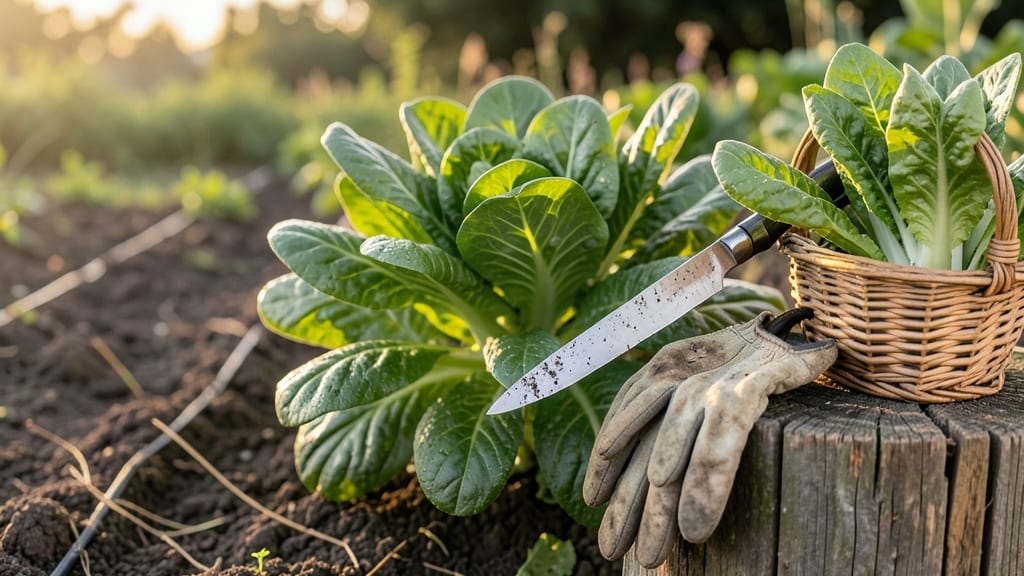
To harvest romaine lettuce from your garden at its crispest, look for fully elongated leaves and a sturdy stem—this is when the flavor and texture reach their peak.
Nothing beats the crisp, fresh taste of homegrown romaine lettuce—but knowing exactly when and how to harvest it can mean the difference between restaurant-quality greens and bitter disappointment.
You’ve nurtured your 🥬 plants through spring showers and sunny days, and now it’s time to reap the rewards without sacrificing future growth. The key lies in timing: harvest in the morning for maximum crunch, and use the right tools to keep your plants producing.
Below, I’ll walk you through the 3 clear signs your romaine is ready, the best cutting techniques to encourage regrowth, and how to store your harvest so it stays fresh for days.


3 Clear signs your romaine lettuce is ready for harvest (with perfect timing)
Harvesting romaine lettuce at the right moment transforms your garden from a patch of green to a gourmet salad bar. The key lies in recognizing three critical signs that signal peak readiness—leaf size, crispness, and head formation.
Miss these cues, and you might end up with bitter, tough leaves instead of the crisp, tender greens you crave.
Romaine lettuce typically matures between 30 to 70 days, but timing varies based on variety and growing conditions. For the best flavor and texture, focus on visual and tactile clues rather than relying solely on days since planting.
These signs ensure you harvest at the perfect moment for restaurant-quality crunch.
-
📏 Leaf Length: 6-8 Inches
Outer leaves should reach 6-8 inches long. Measure from the base to the tip—this indicates the plant has allocated enough energy to develop full flavor and structure. Shorter leaves often mean the lettuce needs more time to mature. -
💧 Crisp Texture When Squeezed
Gently grasp a leaf between your fingers. If it feels firm and slightly resistant, it’s ready. A leaf that collapses or feels mushy is overripe, while one that’s too soft and bendy needs more time. Think of it like testing a ripe avocado—just the right give! -
🌱 Head Formation: Tight, Upright Base
Romaine forms a compact, upright head at maturity. The inner leaves should be tightly wrapped, with the stem base standing firm and straight. If the head sways or the leaves spread outward loosely, it’s not fully ready. This sign is especially critical for head varieties like 'Parris Island Cos'.
Harvesting too early robs you of flavor and crispness, while waiting too long turns your lettuce into a bitter, woody mess. For example, if you pick romaine when leaves are only 4 inches long, they’ll lack the deep, nutty flavor that develops with maturity.
Conversely, leaving it too long on the plant can trigger bolting—when the lettuce sends up a flower stalk—ruining your harvest entirely.
Another pro tip: Morning harvests yield the crispest romaine because the leaves are fully hydrated from overnight water absorption. Avoid harvesting in the heat of the day, as the lettuce can wilt quickly, losing its signature crunch.
If you must harvest later, store the lettuce in a cool, shaded spot until you’re ready to use it.
For loose-leaf varieties, you can start harvesting outer leaves once they reach 4-5 inches, leaving the inner leaves to keep growing. This method extends your harvest window by 2-3 weeks compared to cutting the whole head at once.
Just be sure to never remove more than one-third of the plant in a single harvest to avoid stressing the remaining leaves.
Color is your final checkpoint. Vibrant, deep green leaves with no yellowing or brown spots are a good sign. Any discoloration—especially at the edges—can indicate nutrient deficiencies or stress. If you notice yellowing, check your watering habits or soil pH, as romaine thrives in slightly acidic soil (pH 6.0-7.0).
A healthy plant will reward you with leaves that are bright, crisp, and packed with flavor.
One common mistake is assuming all romaine looks the same at maturity. Buttercrunch and Little Gem varieties, for instance, have tighter heads than classic romaine, so their "ready" signs differ slightly.
Always refer to the seed packet guidelines for specific varieties, but trust your senses first—they’re the best indicators of true readiness.
Once you’ve confirmed all three signs, it’s time to harvest. Use a sharp knife or clean scissors to cut the stem at a 45-degree angle, about an inch above the soil line.
This angle increases the surface area for water absorption, helping the plant recover faster. For loose-leaf varieties, simply snip off the outer leaves, leaving the inner growth intact.
After harvesting, rinse the lettuce gently under cool water to remove dirt, but avoid soaking it—excess moisture speeds up spoilage. Pat the leaves dry with a clean towel or use a salad spinner to remove water droplets.
Store harvested romaine in a sealed container in the fridge, where it’ll stay fresh for up to 5-7 days. For longer storage, wrap the heads loosely in a damp paper towel inside a plastic bag.
Step-by-step harvesting guide: cutting romaine without damaging future growth
Harvesting romaine lettuce at the right time ensures crisp, flavorful leaves while encouraging your plant to keep producing. The key is using the right tools and techniques to avoid stressing the plant.
Whether you're growing head romaine or loose-leaf varieties, follow these steps to maximize your yield without sacrificing future growth.
For head romaine, you’ll want to harvest the entire head when fully mature, while loose-leaf romaine can be harvested leaf by leaf. The difference in approach is critical—cutting loose-leaf varieties too aggressively can stunt regrowth. Always harvest in the morning when leaves are crispest and moisture levels are optimal.
How to Harvest Romaine Lettuce From Garden
- 1 Choose the right tools: Use sharp, clean pruning shears or a chef’s knife to avoid tearing leaves. Disinfect tools with rubbing alcohol to prevent disease spread.
- 2 For head romaine: Hold the base firmly and cut the entire head 1-2 inches above the soil at a 45-degree angle. This prevents water from pooling on the cut stem.
- 3 For loose-leaf romaine: Snip outer leaves just above a leaf node (the point where new leaves emerge). Never remove more than ⅓ of the plant at once to encourage regrowth.
- 4 Avoid common mistakes: Never pull leaves—this damages the root system. Also, avoid harvesting during hot afternoons, as leaves wilt quickly and may not recover.
- 5 Post-harvest care: Water the plant immediately after harvesting to reduce stress. Apply a light nitrogen fertilizer (like fish emulsion) to encourage new growth within 3-5 days.
After harvesting, store your romaine in a perforated plastic bag in the fridge to maintain crispness. For loose-leaf varieties, you can often get 2-3 harvests from a single plant if cared for properly.
The secret lies in patience—letting the plant recover between cuts ensures a steady supply of fresh, homegrown greens all season.
If you notice your romaine bolting (sending up a flower stalk), it’s a sign the plant is stressed—likely from heat or drought. In this case, harvest immediately and avoid fertilizing until cooler temperatures return.
With the right technique, your romaine will keep producing well into fall, giving you a continuous harvest of restaurant-quality greens.
Pro tip: Use a small hand trowel to gently loosen soil around the base before cutting head romaine. This prevents the plant from toppling over during harvest, especially in windy conditions. Happy harvesting! 🥬