
Tools
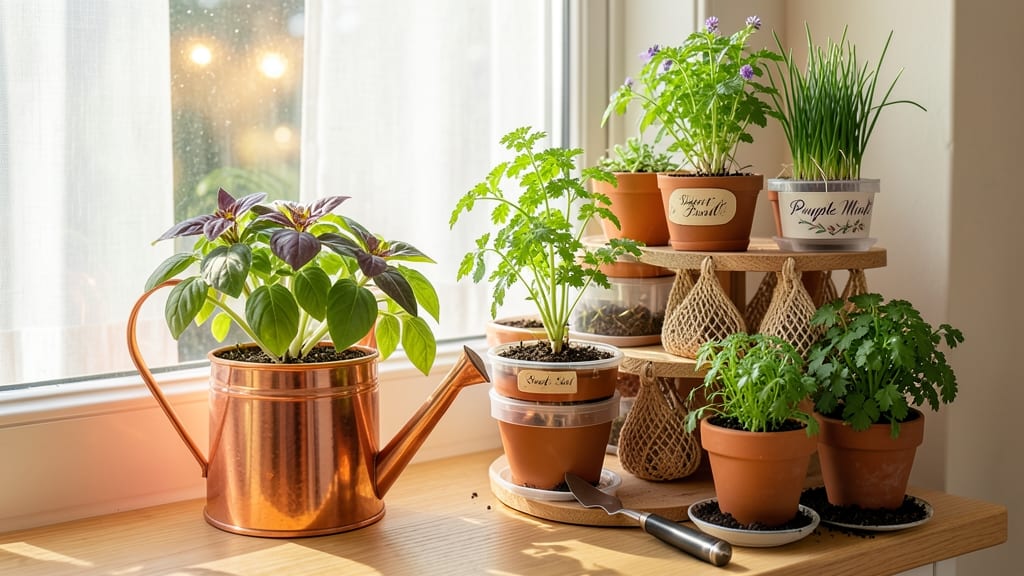
Having a garden in an apartment isn’t just possible—it’s easier than you think with the right approach and a few clever tricks.
Dreaming of fresh herbs, vibrant flowers, or a mini vegetable patch but stuck in an apartment? You don’t need a backyard to grow a thriving garden—just the right space-saving strategies and plant choices. Even a sunny windowsill or a tiny balcony can become a green oasis with the right setup.
This guide breaks down how to choose the best plants for small spaces, maximize vertical room, and keep your greenery thriving with minimal sunlight or soil.
Whether you’re a beginner or a seasoned urban gardener, you’ll discover simple layouts and low-maintenance tips to turn your apartment into a lush, productive garden.
From hanging planters to grow lights and everything in between, you’ll learn how to create a garden that’s as functional as it is beautiful—no yard required.
Best space-saving garden layouts for small apartments
Living in an apartment doesn’t mean you have to give up on gardening. With the right space-saving layouts, you can create a lush, productive garden even on a tiny balcony or windowsill. The key is using vertical space, tiered planters, and hanging systems to maximize every inch.
Whether you’re growing herbs, succulents, or mini vegetables, these layouts will transform your limited space into a thriving oasis.
Balconies and windowsills are perfect for starting small. A south-facing window can support herbs and leafy greens, while a west-facing balcony might handle a few heat-loving plants like peppers or tomatoes.
Even if your space gets only partial sun, you can still grow shade-tolerant plants like basil, mint, or lettuce. The trick is choosing the right container sizes and plant combinations to fit your space.
Vertical gardens are a game-changer for small spaces. They allow you to grow more plants in less footprint while adding a stunning visual element to your apartment. You can use wall-mounted planters, hanging pockets, or even repurpose old pallets into a DIY vertical garden. For example, a 6-inch deep planter on a vertical wall can hold herbs like thyme or oregano, while deeper pockets can accommodate succulents or small peppers.
Another clever solution is tiered planters, which stack plants at different heights. These are ideal for balconies or countertops, allowing you to grow multiple plants without taking up extra floor space.
For instance, place shallots or radishes in the top tier (they need less depth) and bush beans or carrots in the bottom tier (they require deeper soil). Just ensure each tier has proper drainage holes to prevent root rot.
Hanging systems are perfect for trailing plants like strawberries, cherry tomatoes, or nasturtiums. Use macramé hangers, wall-mounted baskets, or even repurposed colanders for a budget-friendly option. These systems free up valuable floor space while adding a charming, bohemian touch to your garden. Just be mindful of watering frequency, as hanging plants can dry out faster.
Here’s a quick comparison of the best space-saving layouts for your apartment garden, including their pros, cons, and ideal plants:
If you’re working with a north-facing balcony, focus on shade-tolerant plants like bush beans, spinach, or swiss chard. These thrive in partial shade and won’t wilt in lower light conditions.
For south or west-facing spaces, you can grow almost anything, from tomatoes to zucchini, as long as you provide enough water and nutrients.
Don’t overlook the power of container size. A 6-inch pot is perfect for herbs like basil or parsley, while a 12-inch pot can handle larger plants like peppers or small tomatoes.
For succulents, even a 4-inch pot will suffice, as they store water in their leaves. Always use well-draining soil and containers with drainage holes to prevent root rot.
Top 10 easy-to-grow plants for apartments with limited space
Living in an apartment doesn’t mean giving up on gardening. With the right low-maintenance plants, you can grow fresh herbs, leafy greens, and flowers in even the tiniest spaces.
These space-saving varieties thrive in containers and need minimal sunlight, making them perfect for windowsills, balconies, or indoor setups. Let’s explore the best options for your urban oasis!
When choosing plants for small spaces, prioritize compact varieties that don’t require deep soil or sprawling roots. Many herbs, microgreens, and dwarf flowers grow beautifully in 6-inch pots or hanging baskets. These plants also tolerate partial sunlight, which is ideal for apartments with limited natural light.
Below, I’ve curated a list of the easiest and most rewarding options for beginners and busy gardeners alike.
🌿 Top 10 Easy-to-Grow Plants for Apartments
- 1. Basil – Thrives in 6-inch pots with 4–6 hours of sunlight. Perfect for cooking and pest control (mosquito-repellent!).
- 2. Mint – Grows aggressively but stays contained in pots. Loves shade to partial sun and moist soil.
- 3. Lettuce (Leaf Varieties) – Ready to harvest in 30–40 days. Grows well in shallow containers with bright indirect light.
- 4. Chives – Hardy and perennial. Tolerates low light and drought once established.
- 5. Pothos (Epipremnum) – A low-light hero for indoor spaces. Trails beautifully in hanging planters.
- 6. Snake Plant (Sansevieria) – Nearly indestructible. Needs very little water and thrives in low light.
- 7. Cherry Tomatoes (Dwarf Varieties) – Compact bush types like 'Tiny Tim' produce abundant fruit in 5-gallon pots.
- 8. Aloe Vera – A succulent powerhouse that needs minimal care. Grows well in sunny windows.
- 9. Nasturtiums – Edible flowers with vibrant blooms. Tolerates poor soil and partial shade.
- 10. Spider Plant – Produces long, arching leaves and baby plants. Thrives in indirect light.
For herbs like basil and mint, use well-draining pots with drainage holes to prevent root rot. Place them near a south- or west-facing window for optimal growth. If natural light is limited, supplement with a grow light for 6–8 hours daily.
These plants are beginner-friendly and will reward you with fresh flavors and vibrant colors year-round!
Don’t overlook vertical space—hanging planters or wall-mounted shelves can double your growing area. For example, trailing plants like pothos or string of pearls add greenery without taking up floor space. With these low-maintenance picks, your apartment garden will flourish, even in the smallest of spaces!
Start with just 2–3 plants to test what works best in your space. Once you see success, expand your collection! Happy gardening—your balcony is about to get a whole lot greener. 🌱