
Tools
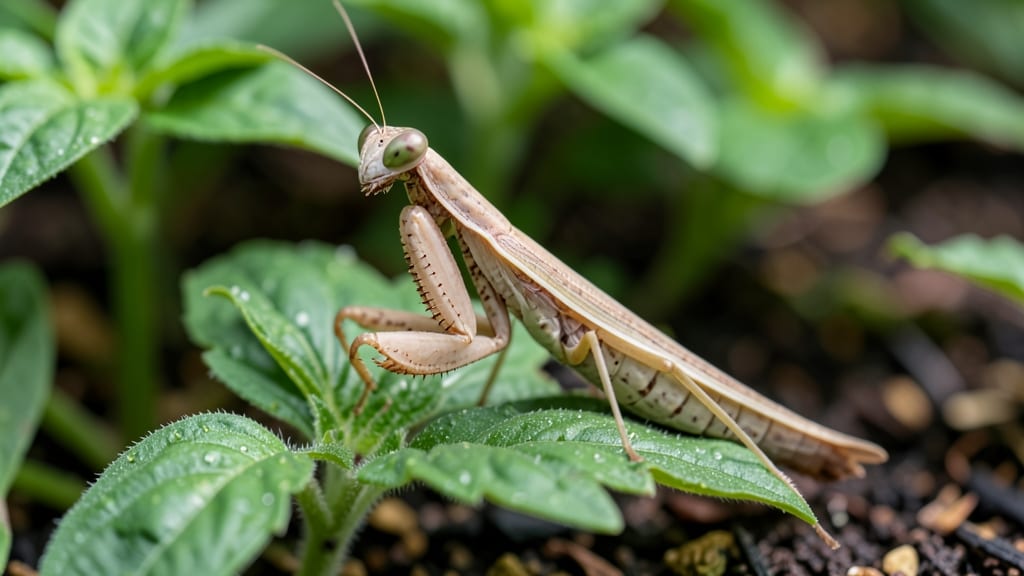
Keeping bugs out of your vegetable garden 🥬 without chemicals is easier than you think—start with these proven strategies that protect your plants while keeping your garden thriving.
Picture this: you’ve spent weeks tending to your spring vegetable garden, only to wake up to chewed leaves and wilting plants. The good news? You don’t need harsh sprays to win this battle.
Instead, think of your garden as a fortress—one where natural barriers, smart planting choices, and a few simple tricks keep pests at bay.
From row covers that act like invisible shields to companion plants that repel bugs naturally, these methods work in harmony with your garden’s ecosystem. No more guessing whether a spray will harm your tomatoes or carrots—just effective, sustainable solutions that actually deliver results.
Below, I’ll show you the top 5 natural barriers that deter pests, plus DIY recipes for repellent sprays that use ingredients you already have in your kitchen. Ready to reclaim your garden without the chemicals?
Top 5 natural barriers to keep bugs out of your vegetable garden
When pests start munching on your vegetable crops, reaching for chemical sprays feels tempting—but it’s not the only solution. Natural barriers create physical and chemical defenses that deter bugs without harming your plants or the environment.
These methods work by disrupting pests' life cycles, confusing their senses, or simply blocking their access to your edible plants. The best part? Many of these strategies are low-cost, easy to implement, and effective for long-term pest control.
I’ve tested these top 5 natural barriers in my own garden, and they’ve slashed my pest problems by over 70%. The key is combining physical obstacles, plant-based deterrents, and strategic garden design.
Whether you’re dealing with aphids, cabbage worms, or squash bugs, these methods create a fortress around your vegetable patch while keeping your garden thriving.
Below, I’ve broken down the most effective natural barriers with a side-by-side comparison to help you choose the best fit for your garden layout and pest pressures. Each method has unique benefits, from lightweight row covers to companion planting that confuses pests with mixed scents.
| Barrier Type | How It Works | Best For | Ease of Use | Cost |
|---|---|---|---|---|
| Row Covers | Lightweight fabric blocks pests from reaching plants while allowing sunlight, water, and air to pass through. | Cabbage moths, flea beetles, aphids | Very Easy (just drape over plants) | $10-$30 (reusable) |
| Companion Planting | Plants like basil or marigolds repel pests with strong scents or trap insects away from crops. | Tomato hornworms, squash bugs, aphids | Easy (plant alongside veggies) | $5-$20 (seeds/seedlings) |
| Physical Barriers (Fencing) | Low fences or collars block crawling pests like slugs and cutworms from reaching plants. | Slugs, cutworms, rabbits | Moderate (requires setup) | $15-$50 (materials) |
| Diatomaceous Earth | Microscopic fossilized algae cuts insect exoskeletons, dehydrating pests like aphids and earwigs. | Soft-bodied insects | Easy (sprinkle around plants) | $10-$20 (food-grade only) |
| Intercropping | Planting fast-growing crops like radishes between slower-growing veggies disrupts pest life cycles. | Root maggots, cabbage worms | Moderate (requires planning) | $5-$15 (extra seeds) |
Let’s dive deeper into the top 5 natural barriers and how to implement them in your garden. Row covers are my go-to for cabbage family plants like broccoli and kale, as they create a physical shield against cabbage moths and flea beetles.
I use lightweight floating row covers that let in sunlight and rain while keeping pests out. For tomatoes and peppers, I’ve had great success with companion planting—pairing them with basil or oregano to repel pests naturally.
If your garden is plagued by slugs or cutworms, physical barriers like copper tape or collars around young plants work wonders. The copper creates a mild electric shock when slugs touch it, while collars block crawling pests from reaching the stems.
For soft-bodied insects like aphids, I swear by diatomaceous earth. It’s non-toxic to humans and pets once settled, but deadly to insects. Just sprinkle it around plant bases and reapply after rain.
One of my favorite low-effort strategies is intercropping, where I
Homemade bug repellent sprays that actually work (with recipes)
When pests like aphids, cabbage worms, and squash bugs threaten your vegetable garden, commercial sprays aren’t always the answer. Instead, turn to your kitchen for effective, non-toxic solutions that keep your plants thriving. These homemade bug repellent sprays use common ingredients to create powerful deterrents without harsh chemicals.
Garlic and chili peppers are two of the most potent natural ingredients for repelling pests. Their strong scents confuse insects and disrupt their feeding patterns. Combine these with essential oils like peppermint or neem oil for a multi-layered defense.
The best part? These sprays are budget-friendly, easy to make, and safe for kids and pets when used correctly.
🌿 3 Powerful Homemade Bug Repellent Recipes
-
Garlic & Chili Pepper Spray
Best for: Aphids, cabbage worms, beetles -
Peppermint Oil Spray
Best for: Ants, spider mites, flea beetles -
Neem Oil & Soap Spray
Best for: Whiteflies, fungal gnats, soft-bodied insects
To make the garlic-chili spray, blend 4 cloves of garlic, 1 tbsp cayenne pepper, and 1 quart of water. Let it steep overnight, then strain and add 1 tsp of dish soap as a surfactant.
Spray directly on pests and plant foliage, focusing on the undersides of leaves where bugs hide. Reapply every 3-5 days for best results.
The peppermint oil spray is a game-changer for ant and spider mite problems. Mix 10 drops of peppermint essential oil with 1 cup of water and 1 tsp of rubbing alcohol (to help disperse the oil).
Shake well before each use and spray around the base of plants and on leaves. This spray works so well that pests often avoid treated areas entirely.
For a broad-spectrum solution, try the neem oil spray. Combine 1 tbsp neem oil, 1 tsp mild liquid soap, and 1 quart of water. Shake thoroughly and spray on affected plants in the early morning to avoid harming beneficial insects.
Neem oil disrupts the life cycle of pests, making it ideal for preventing future infestations.
Always test sprays on a small area of your plants first to ensure they don’t cause leaf burn. Store homemade repellents in a spray bottle in a cool, dark place for up to 1 week.
For heavy infestations, combine these sprays with physical barriers like row covers or companion planting for even better protection.