
Planting
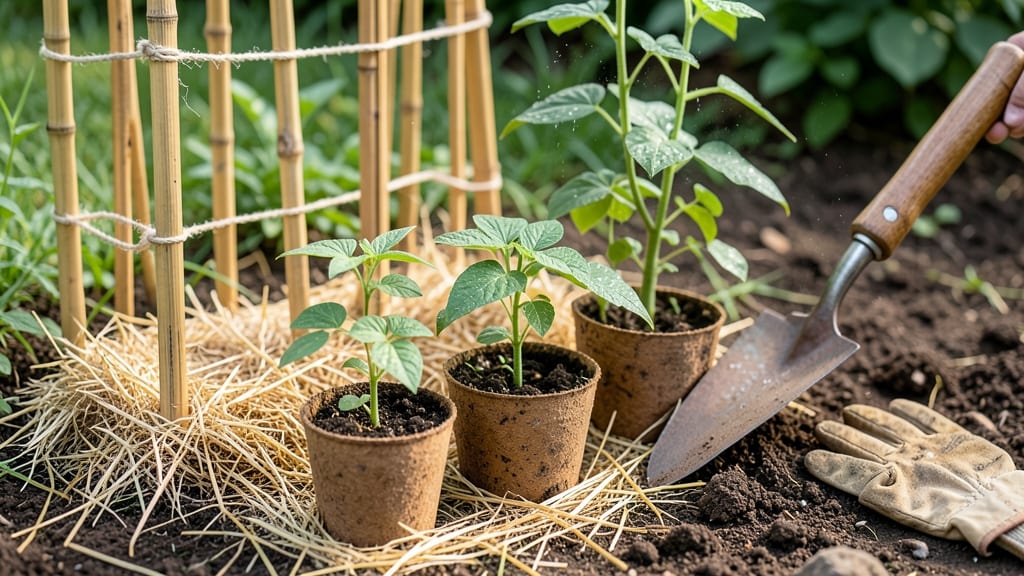
To plant string beans in a garden, start by sowing seeds 1 inch deep in well-drained soil after the last frost—this simple trick unlocks faster sprouting and stronger plants.
Struggling to get your string beans to sprout quickly? The secret lies in the soil—not just the seeds. With the right depth, spacing, and timing, you can transform your garden into a thriving pole bean paradise in just weeks.
String beans 🌱 thrive in Zone 6a with full sun exposure, but even beginners can nail the planting process with a few key steps. From soil prep to watering, I’ll walk you through everything—plus how to avoid common mistakes that slow growth.
By the end, you’ll know exactly when to plant, how to space them for maximum yield, and the easiest way to keep pests at bay. Ready to grow a bumper crop?

Optimal soil depth and planting techniques for string beans
When planting string beans, the soil depth and temperature are critical for achieving 90%+ germination rates within just 7-14 days. Unlike many vegetables, string beans thrive when planted 1-2 inches deep—too shallow, and they'll dry out; too deep, and they'll struggle to break through the soil.
The secret to faster sprouting lies in balancing these factors with moisture control and soil warmth.
String beans prefer soil temperatures of at least 60°F (15°C) to germinate properly. If your soil is cooler, consider using black plastic mulch or a seedling heat mat to create the ideal environment.
I’ve found that planting after the last frost—typically in April-May in most USDA zones—gives my beans the best start. For faster results, soak seeds overnight in lukewarm water before planting.
| Factor | Specification | Tip |
|---|---|---|
| Planting Depth | 1-2 inches | Use a ruler for precision; deeper = slower sprouting. |
| Soil Temperature | 60°F+ (15°C+) | Test with a soil thermometer; mulch warms soil faster. |
| Moisture Level | Consistently damp | Water gently after planting; avoid soggy soil. |
| Spacing (Bush) | 4-6 inches apart | Thinner spacing = more airflow, fewer diseases. |
| Spacing (Pole) | 6-8 inches apart | Plant near trellises for vertical growth support. |
| Germination Time | 7-14 days | Slower sprouting? Check soil moisture and warmth. |
If your garden soil is rocky or compacted, don’t skip planting—just adapt! Loosen the top 6 inches of soil with a garden fork or tiller to improve drainage and root penetration. For stubborn clay soil, mix in compost or aged manure to boost fertility and aeration.
I’ve had great success with raised beds filled with a 50/50 mix of topsoil and compost, which gives string beans the perfect environment to thrive.
Once planted, maintain consistent moisture without overwatering—string beans hate soggy roots. Aim for 1 inch of water per week, delivered in the morning to reduce evaporation and fungal risks. A drip irrigation system or soaker hose keeps water at the roots while minimizing leaf wetness.
Mulching with straw or grass clippings helps retain moisture and suppress weeds, giving your beans an edge.
For pole beans, install trellises or stakes at planting time to avoid disturbing roots later. I use 5-foot bamboo stakes or wire cages for support, which also improves air circulation and reduces disease.
Bush varieties don’t need support but benefit from sturdy fencing or cages if heavy rains are forecasted. Always plant pole beans on the south side of supports to maximize sunlight exposure.
Watch for uneven sprouting, which often signals temperature or moisture issues. If seeds take longer than 14 days to emerge, gently scratch the soil surface to check for moisture—dry soil can delay germination.
Another trick: place a clear plastic dome over newly planted seeds until sprouts appear, creating a mini greenhouse effect. Remove it once seedlings emerge to prevent overheating.
String beans are nitrogen-fixers, meaning they enrich the soil as they grow. After harvest, consider leaving the roots in place or chopping them into the soil to boost organic matter.
This natural process reduces the need for synthetic fertilizers in future plantings. For continuous harvests, succession plant every 2-3 weeks until mid-summer, ensuring a steady supply of fresh pods.
With these science-backed techniques, you’ll achieve lush, productive string bean plants in no time. The key is patience—give your beans the right depth, warmth, and care, and they’ll reward you with abundant harvests all season long. Happy planting! 🌱
Best companion plants and spacing tips to maximize yield
String beans thrive when planted alongside the right companions, especially in the Three Sisters method—a traditional Native American technique pairing beans with corn and squash.
This trio creates a mutually beneficial ecosystem where corn provides vertical support, squash shades the soil to retain moisture, and beans fix nitrogen in the soil. For smaller gardens, bush beans can be planted in clusters with radishes or lettuce to maximize space.
The key to success lies in proper spacing and companion selection. Overcrowding stunts growth, while the right neighbors deter pests like aphids and Mexican bean beetles. For example, basil and marigolds planted nearby repel insects naturally, while onions or garlic improve flavor and health.
Avoid planting beans near fennel or strawberries, as these can stunt their growth or attract pests.
Spacing is critical—too close, and airflow suffers, increasing disease risk. Bush beans need 4-6 inches apart in rows spaced 18-24 inches apart, while pole beans require 6-8 inches apart with rows 3-4 feet apart to accommodate their climbing habits. If growing vertically, use trellises or teepees to save space and improve yield by 30-40%.
| Plant Type | Spacing (inches) | Companion Benefits | Avoid Planting Near |
|---|---|---|---|
| Bush Beans | 4-6 inches apart | Radishes, Lettuce, Basil | Fennel, Strawberries |
| Pole Beans | 6-8 inches apart | Corn, Squash, Marigolds | Potatoes, Tomatoes |
| Three Sisters Method | Beans: 6-8", Corn: 12", Squash: 36" | Mutual support, pest control, soil health | N/A (self-sustaining) |
For pole beans, trellising isn’t just about saving space—it improves air circulation and reduces fungal diseases like rust. Use biodegradable twine or bamboo stakes to support their vines, and train them early to climb.
If you’re short on vertical space, try container growing with deep pots (at least 12 inches deep) and companion herbs like thyme or oregano, which thrive in the same conditions and deter pests.
One of my favorite tricks is interplanting fast-growing radishes between bean rows. Radishes mature quickly, allowing you to harvest them before the beans need the space.
This succession planting strategy keeps your garden productive year-round. Just ensure radishes are harvested before they bolt, or they’ll compete with your beans for nutrients.
Finally, mulching with straw or grass clippings after planting preserves moisture and suppresses weeds. This is especially important during hot, dry summers when beans need consistent water. Pair mulching with drip irrigation to deliver water directly to the roots, and you’ll see healthier plants and higher yields all season long.