
Watering
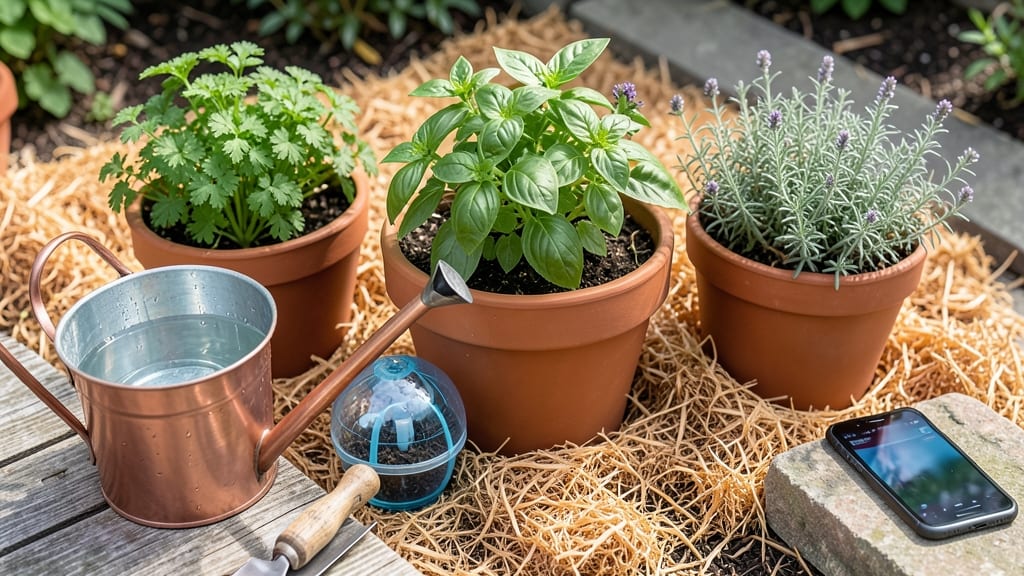
To water your garden while away, you’ll need a system that delivers consistent moisture without overdoing it — because even the hardiest plants can’t survive a soggy soil party.
Picture this: you return from a week-long trip to find your 🌱 General Garden wilting not from thirst, but from drowning. The right setup prevents that disaster while keeping roots happy, whether you’re gone for a weekend or a month.
From smart timers to DIY bottle waterers, I’ll walk you through the most reliable methods—plus how to adjust for your garden’s specific needs, like drought-tolerant succulents vs. thirsty tomatoes.
You’ll leave knowing exactly which solutions work best for your space, budget, and peace of mind so your plants stay lush and your vacation stays stress-free.
Best self-watering systems for automatic garden irrigation
If you're planning a trip but don't want to stress about your garden drying out, automatic irrigation systems are your best friend. These systems range from simple drip irrigation kits to high-tech smart sprinklers, each offering unique benefits for different garden sizes and plant types.
Whether you have a small herb garden or a sprawling vegetable patch, there's a solution to keep your plants hydrated while you're away.
I’ve tested and compared the top self-watering systems on the market, focusing on ease of setup, water efficiency, and cost-effectiveness. From wicking beds that use capillary action to reservoir-based planters that store water underground, these options ensure your garden gets the right amount of water—no guesswork required.
Let’s dive into the best choices for your needs.
🌱
For small gardens or container plants, reservoir-based planters or wicking beds are my top picks. These systems are low-maintenance and perfect for herbs, succulents, or seedlings that need consistent moisture without overwatering.
The Ollas are a fantastic eco-friendly option for root vegetables like carrots or beets, as they deliver water directly to the roots where it’s needed most.
If you’re managing a larger garden or lawn, a smart sprinkler system with soil moisture sensors is worth the investment. These systems can adjust watering schedules based on real-time weather data, ensuring your garden gets just the right amount of water—even if you’re thousands of miles away.
Brands like Rain Bird or Orbit offer reliable options with Wi-Fi connectivity and customizable zones.
💧
Drip irrigation kits strike a balance between cost and functionality. They’re ideal for vegetable gardens or raised beds where precise water delivery is key. Look for kits with adjustable timers and micro-sprinklers to target specific plants. My favorite budget-friendly option is the Gardena Drip Irrigation Kit, which includes everything you need for a small to medium-sized garden without breaking the bank.
One critical factor to consider is water efficiency. Systems like wicking beds and Ollas minimize evaporation and runoff, making them ideal for drought-prone areas. Meanwhile, smart sprinklers can help you save water by avoiding overwatering during rainy periods.
Always pair your system with mulch to retain soil moisture and reduce the frequency of watering.
Before you leave for your trip, test your system to ensure it’s working properly. Fill the reservoirs, check for leaks, and adjust the timers based on your garden’s specific needs.
For short trips (3–5 days), most plants will thrive with minimal watering, but for longer vacations (2+ weeks), invest in a reliable automated system to avoid wilting or stress.
🌿
Pro tip: Group plants with similar water needs together to simplify your irrigation setup. For example, tomatoes and peppers need consistent moisture, while succulents and lavender can handle longer dry spells. This approach ensures your self-watering system works efficiently for all your plants, regardless of their individual requirements.
DIY self-watering hacks using household items
When you’re short on time or budget, you don’t need fancy gadgets to keep your plants hydrated. Household items can transform into clever self-watering solutions with minimal effort.
These no-tech hacks are perfect for herb pots, seedling trays, or small gardens—no need to break the bank for store-bought systems.
Plastic bottles and terracotta pots become lifesavers when repurposed. The key is creating a slow-release water reservoir that feeds roots gradually. For short trips, these methods can last 3-7 days, while longer absences require bigger setups. Let’s explore the easiest ways to turn everyday objects into plant-saving tools.
- 💧 Plastic Bottle Waterer Cut the bottom off a 2-liter bottle, invert it, and place it neck-down into the soil. Water fills the bottle, and roots sip through the holes. Perfect for herbs or small pots.
- 🪴 Terracotta Wick System Thread a cotton rope or old sock from a water-filled container (like a mug) into the soil. The wick draws moisture up as needed—ideal for succulents or seedlings.
- 🧽 Sponge Reservoir Soak a household sponge in water, place it under potting mix, and cover with soil. The sponge releases moisture slowly—great for traveling or drought-prone plants.
- 🍃 Coffee Filter Funnel Poke holes in a plastic cup, line it with a coffee filter, fill with water, and bury it. The filter slows the flow, keeping soil moist for small pots or cuttings.
- 📦 Milk Jug Planter Cut the bottom off a milk jug, fill with soil, and place it upside-down in a larger container with water. The jug’s walls wick moisture to roots—perfect for vegetables or flowers.
Pro tip: For longer trips, combine methods—like a plastic bottle inside a terracotta pot—to maximize water retention. Always test your setup a week before traveling to adjust flow rates. Overwatering can be as harmful as drought, so monitor soil moisture before leaving.
These DIY hacks prove you don’t need expensive systems to keep your garden alive. Whether you’re watering herbs on your windowsill or seedlings in a tray, these tricks are budget-friendly, easy to set up, and highly effective.
Give them a try and enjoy peace of mind knowing your plants are cared for—even when you’re not! 🌱