
Landscaping
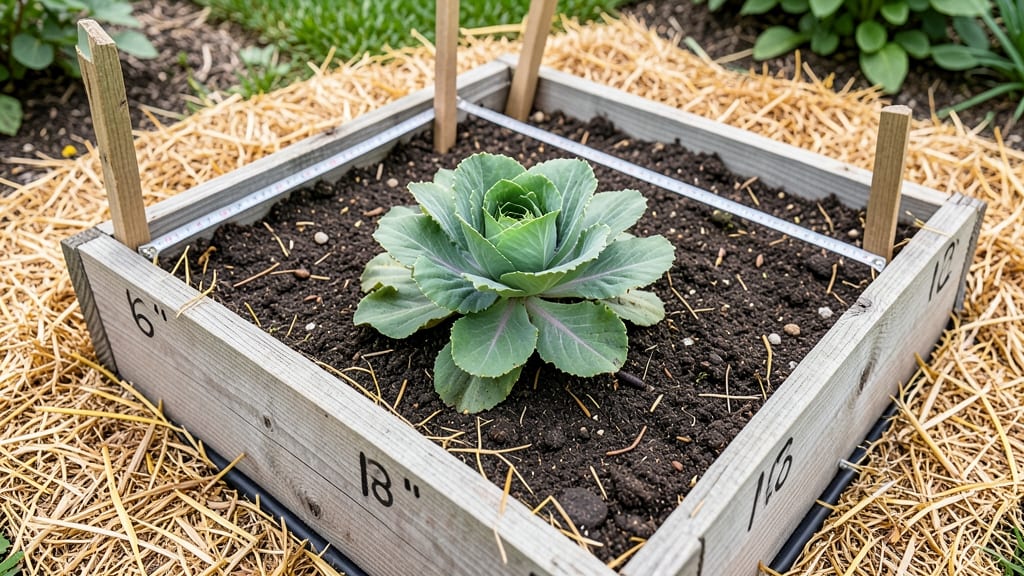
Getting the right raised garden bed height is the first step to a garden that grows as well as it looks—because too shallow and roots get cramped, too tall and you’re fighting drainage and back pain.
Picture this: you’ve spent hours prepping soil, choosing seeds, and dreaming of that perfect harvest, only to realize your bed isn’t tall enough for carrots to stretch their legs—or deep enough to keep water from pooling after a rainstorm.
Most gardeners land on 10–12 inches for herbs and greens, but deep-rooted crops like potatoes or asparagus need 18–24 inches to thrive. And if you’re dealing with mobility issues, a 30-inch bed might just save your knees.
Below, I’ll break down the ideal heights for your plants, how to balance drainage and soil depth, and why a little extra height could be the game-changer your garden needs this spring.

Optimal raised garden bed height for root growth and accessibility
Choosing the right raised garden bed height is one of the first decisions that impacts your garden's success. While many gardeners default to the standard 10–12 inches, this depth may not suit every plant or gardener.
The ideal height depends on your root depth needs, accessibility requirements, and even the types of plants you plan to grow. For example, carrots and potatoes need deeper soil, while herbs like basil or thyme thrive in shallower beds.
Beyond plant needs, accessibility matters. A bed that's too low forces gardeners to kneel or bend, while beds over 24 inches can become difficult to maintain without proper tools. For those with mobility challenges, a 20–24 inch height can make gardening more comfortable by reducing bending.
Meanwhile, 10–12 inch beds are easier to fill with soil and require less material, making them budget-friendly for beginners.
| Height Range | Best For | Root Depth Suitability | Accessibility | Material Considerations |
|---|---|---|---|---|
| 10–12 inches | Herbs, lettuce, strawberries | Shallow roots (≤12 inches) | Requires kneeling/bending | Lightweight materials (cedar, composite) |
| 12–18 inches | Vegetables (tomatoes, peppers), flowers | Moderate roots (12–18 inches) | Easier standing access | Standard wood, bricks, or metal |
| 18–24 inches | Root crops (carrots, potatoes), asparagus | Deep roots (18+ inches) | Ideal for seated gardeners | Heavy-duty materials (cedar, stone) |
Note: Adjust height based on plant-specific root needs and personal comfort.
When selecting a height, consider the root depth requirements of your plants. For instance, carrots and parsnips need at least 12–18 inches of soil to grow fully, while radishes and lettuce thrive in just 6–10 inches.
If you're growing a mix, a 12–18 inch bed strikes a balance, accommodating most vegetables and herbs. For deep-rooted perennials like asparagus, aim for 18–24 inches to prevent root binding.
Another critical factor is drainage. Deeper beds (18+ inches) can retain moisture longer, which is beneficial in dry climates but may lead to root rot in wet areas. To mitigate this, add a gravel layer or fabric liner at the bottom.
For clay-heavy soils, a slightly elevated bed (12–14 inches) improves drainage without requiring excessive soil volume.
For gardeners with mobility limitations, height becomes a game-changer. A 20–24 inch bed allows you to garden while seated, reducing strain on your back and knees. Pair this with a garden stool or bench for added comfort.
If space is limited, consider stackable or modular beds that let you adjust height as your needs change over time.
Don’t overlook the materials you use when building your bed. Lighter materials like cedar or composite lumber work well for 10–12 inch beds, while heavier options like stone or brick are better suited for 18–24 inch heights.
Always use untreated wood or rot-resistant materials to extend the lifespan of your bed and avoid contaminating your soil.
Pro tip: If you're unsure about the height, start with a 12–16 inch bed. This depth works for the majority of vegetables and herbs while offering a middle-ground solution for accessibility. You can always add soil amendments or extenders like coconut coir or compost to increase depth if needed.
Finally, think about long-term maintenance. Taller beds require more soil and materials upfront but may save you time in the long run by reducing weeding and improving drainage. Shorter beds are easier to fill and refill with fresh soil each season.
Weigh these factors against your garden goals—whether it’s maximizing yield, ease of care, or accessibility—to find your perfect height.
How raised bed height impacts drainage, soil retention, and plant health
When building a raised garden bed, the height you choose isn't just about aesthetics—it directly affects how water moves through your soil, how well roots develop, and even how much effort you'll put into maintenance. Deeper beds (18–24 inches) offer more root space for deep-rooted plants like potatoes, but they also create unique drainage challenges.
Meanwhile, shallow beds (6–12 inches) may struggle to retain moisture in dry climates, forcing you to water more frequently. The balance between these factors is critical for plant health.
One of the biggest misconceptions is that taller always means better. While deeper beds can accommodate larger plants, they also risk soil compaction at the bottom, especially if you're not using the right materials.
Without proper drainage layers, water can pool, leading to root rot in moisture-loving plants like lettuce or nutrient leaching in sandy soils. The key is understanding how your local climate and soil type interact with bed height.
Beds taller than 18 inches without drainage solutions can become soggy, even in well-draining soils. If your area has clay-heavy soil or heavy rainfall, consider these fixes:
- Add a 2–4 inch gravel layer at the bottom before soil
- Use landscape fabric to prevent soil from clogging drainage
- Avoid impermeable liners like plastic unless necessary
Pro Tip: Test drainage by filling a hole with water—if it doesn’t drain in 4 hours, your bed needs adjustments.
For regions with clay soil, taller beds (24–36 inches) can actually improve drainage by elevating roots above the waterlogged subsoil. However, this requires amending the soil with compost or peat moss to prevent compaction.
In contrast, sandy soils benefit from shallower beds (6–12 inches) to retain moisture, as they drain too quickly. The right height depends on your local climate and plant needs.
Seasonal adjustments are often overlooked but crucial. In spring and fall, when rainfall is moderate, deeper beds can store more moisture. But during summer droughts, even tall beds may dry out faster unless you mulch heavily.
I’ve found that adding a 3-inch layer of straw mulch on top of the soil reduces evaporation by up to 50%, making taller beds more manageable in hot climates.
Another factor is soil retention. Taller beds lose nutrients faster due to leaching, so I recommend adding a slow-release fertilizer like composted manure or worm castings at planting time.
For shallow-rooted plants like radishes or green onions, a 6-inch bed is perfect—they thrive with minimal depth but benefit from the improved drainage. Meanwhile, deep-rooted perennials like asparagus need at least 18 inches to establish properly.
Ultimately, the best bed height balances your plant types, climate, and maintenance willingness. Start with a 12-inch bed for versatility, then adjust based on what you grow.
If you’re unsure, build a test section with different heights and observe how your plants respond over a season—your garden will thank you! 🌱