
Landscaping
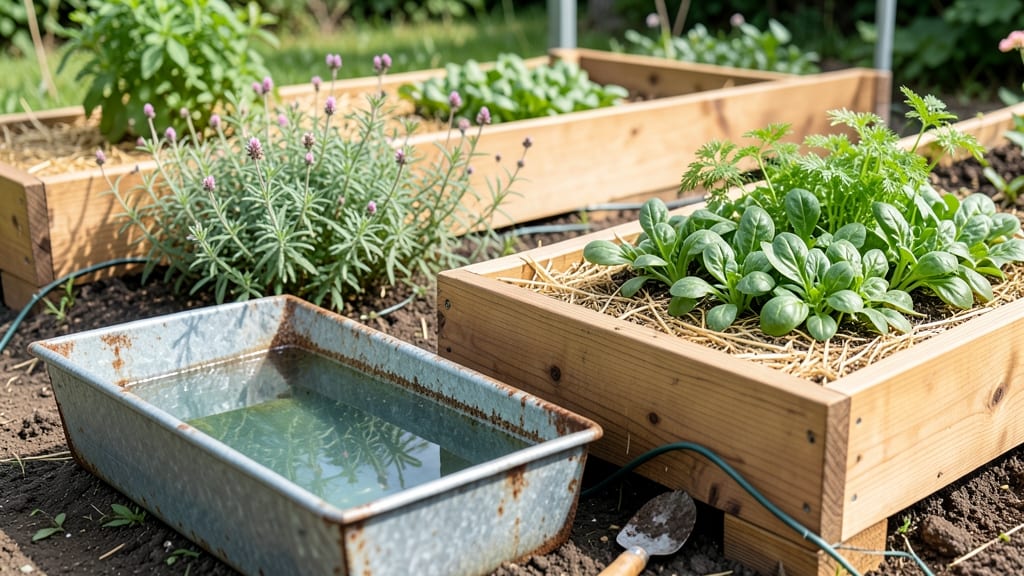
Repurposing water troughs into raised garden beds 🌱 can turn limited space into a thriving mini-farm—perfect for small yards, balconies, or even urban patios.
Picture this: a sturdy metal or plastic trough, once used for livestock, now overflowing with herbs, lettuce, or cherry tomatoes—all within arm’s reach. The best part? These beds are portable, durable, and often cost far less than traditional planters.
Beyond the space-saving magic, water trough gardens offer better drainage, fewer weeds, and the flexibility to move your plot as sunlight or seasons change. Plus, they’re a sustainable way to give old materials a second life.
In this guide, I’ll walk you through how to transform troughs into functional beds, the best plants to grow, and creative ways to blend them into your garden—without sacrificing style or productivity.
How to convert water troughs into functional raised garden beds
Water troughs make incredible raised garden beds—they’re durable, portable, and perfect for small spaces. Whether you’ve got metal livestock troughs or plastic stock tanks, repurposing them gives you a low-cost, space-saving growing solution.
The key is modifying them for drainage, soil health, and structural stability so your plants thrive. I’ve transformed three 3-foot troughs into lush herb and veggie gardens, and I’ll show you exactly how.
Before diving in, check your trough’s material—metal (like galvanized steel) lasts decades but can overheat in sun, while plastic is lightweight and won’t rust. Both need drainage adjustments and soil prep to avoid waterlogged roots.
Start by cleaning the trough thoroughly with soapy water and a stiff brush to remove dirt, algae, or old paint. For metal troughs, sand any rough edges to prevent root damage or plant injury during harvest.
🌱 Step-by-Step Guide to Repurposing Water Troughs
-
Step 1: Drill Drainage Holes
Use a 1-inch drill bit to create 2-3 drainage holes along the lowest side of the trough. Place them near the bottom corners to prevent soil from washing out. For metal troughs, pre-drill with a small pilot hole to avoid cracking.
-
Step 2: Line the Trough (Optional)
If your trough lacks smooth edges, line the interior bottom with landscape fabric or a thick plastic liner (punctured for drainage). This protects roots from sharp metal and makes cleanup easier. Secure with staples or zip ties—just ensure water can still drain.
-
Step 3: Add a Drainage Layer
Fill the bottom 2-3 inches with gravel, perlite, or broken pottery shards to improve drainage. This layer prevents soil compaction and keeps roots aerated. For heavy clay soils, add 1 inch of coarse sand on top of the gravel for extra airflow.
-
Step 4: Mix Lightweight Soil
Fill the remaining space with a custom soil blend: 60% potting soil, 20% compost, and 20% perlite or vermiculite. Avoid garden soil—it compacts and smothers roots. For succulents or herbs, increase perlite to 30% for faster drainage.
-
Step 5: Reinforce Stability
Place troughs on level ground or a wooden base to prevent tipping. For windy areas, anchor them with concrete blocks or bungee cords to a sturdy post. If using multiple troughs, space them 6 inches apart for easy access and cross-pollination of plants.
-
Step 6: Plant Strategically
Choose shallow-rooted plants like basil, lettuce, or strawberries for troughs under 2 feet long. For longer troughs (3+ feet), add trellises for cucumbers or beans to maximize vertical space. Water deeply after planting to settle the soil and encourage root growth.
One of my biggest mistakes was skipping the drainage layer—my first trough became a soggy mess after a week of rain. Now, I always add gravel + perlite to keep roots happy.
If you’re using metal troughs, place them in partial shade to prevent soil overheating, which can burn roots during summer. For plastic troughs, full sun is fine as long as they’re elevated off the ground to avoid heat absorption from pavement.
Don’t overlook mulching—spread 2 inches of straw or shredded leaves on top of the soil to retain moisture, suppress weeds, and regulate temperature fluctuations. I mulch my troughs every 2 months during the growing season, and my herbs stay lush even in hot, dry spells.
For container-specific plants like thyme or oregano, mulch lightly to avoid over-moisture, which can cause root rot.
Watering trough gardens requires consistency. Since they dry out faster than in-ground beds, I water mine every morning at 7 AM with a gentle spray nozzle to avoid soil erosion.
For vegetables like tomatoes or peppers, add a self-watering reservoir (like a plastic bottle with holes) buried near the roots to slow-release moisture. This hack cuts my watering time in half!
To extend the life of your DIY raised beds, inspect them seasonally for rust (metal), cracks (plastic), or pest damage. I coat my galvanized steel troughs with food-safe paint every 2 years to prevent metal leaching into the soil.
For plastic troughs, a vinegar rinse keeps algae at bay. With proper care, your repurposed troughs can last 10+ years—far longer than most store-bought planters.
Ready to get growing? Start with one trough to test your setup, then expand! My balcony garden now has four troughs growing herbs, greens, and flowers, all in a 6-foot-by-4-foot space.
The best part? I saved hundreds of dollars compared to buying new raised beds. Now it’s your turn—grab a trough and let’s grow!
Best plants for water trough raised garden beds (with space-saving tips)
Water trough raised garden beds are perfect for growing compact plants that thrive in shallow soil and limited space. The key is selecting varieties with shallow root systems or trailing habits to maximize vertical growth.
My favorite choices include herbs, leafy greens, and dwarf vegetables that stay contained while producing bountiful harvests.
For herbs, I recommend basil, thyme, parsley, and chives—they all grow well in tight spaces and love the well-draining soil of troughs.
These plants also deter pests naturally, making them ideal companions for other vegetables. Leafy greens like lettuce, spinach, and kale grow quickly and can be harvested multiple times before bolting in warm weather.
Here are my top space-saving plants for water troughs, organized by category for easy planning:
- Basil: Compact varieties like 'Genovese' thrive in 6+ hours of sun. Harvest leaves regularly to encourage bushier growth.
- Thyme: Drought-tolerant and perennial—perfect for trough edges. Needs full sun and well-draining soil.
- Parsley: Slow-growing but space-efficient. Plant in partial shade to prevent bolting in hot climates.
- Chives: Hardy and clump-forming. Great for cutting back to promote new growth.
- Lettuce: Choose 'Buttercrunch' or 'Romaine' for heat tolerance. Harvest outer leaves to extend the season.
- Spinach: Prefers cooler weather. Sow seeds every 2 weeks for continuous harvests.
- Kale: Cold-hardy and nutrient-dense. 'Dwarf Blue Curled' stays compact and productive.
- Cherry Tomatoes: Dwarf varieties like 'Tiny Tim' produce abundant fruit in small spaces.
- Peppers: 'Jalapeño M' or 'Shishito' stay compact and love warm trough environments.
- Radishes: Fast-growing and shallow-rooted. Perfect for interplanting with slower greens.
- Strawberries: Ever-bearing varieties like 'Alpine' trail beautifully and produce year-round.
- Nasturtiums: Edible flowers that deter pests. Trail beautifully over trough edges.
- Marigolds: Repel nematodes and attract pollinators. Compact varieties stay contained.
- Pansies: Cold-tolerant and colorful. Great for early spring or fall planting.
When arranging your trough garden, use companion planting to maximize space and health. For example, pair basil with tomatoes to improve flavor and deter pests, or plant carrots with onions to naturally repel carrot flies.
Trailing plants like nasturtiums or strawberries can spill over the edges, creating a living border that softens the trough's appearance.
For maintenance tips, I recommend watering troughs in the morning to reduce evaporation and adding a 1-inch layer of mulch to retain moisture.
Since troughs dry out faster than ground soil, monitor moisture levels daily during hot weather. Drip irrigation systems work wonders for consistent watering without over-saturating the soil.
With these space-saving plants and smart companion pairings, your water trough raised garden will be both productive and visually appealing—proving that even small spaces can yield big harvests! 🌱