
Vegetables
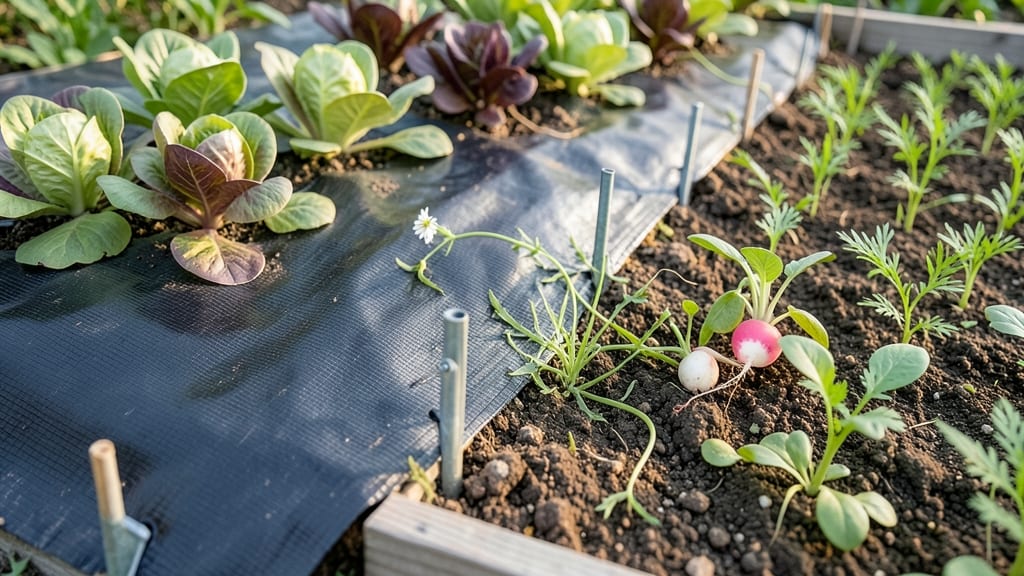
A weed guard for gardens isn’t just a barrier—it’s the game-changer that lets your plants thrive without the endless battle against weeds.
Picture this: you’re finally ready to plant your spring garden, but weeds are already popping up faster than you can pull them. That’s where a 3-layer weed guard system comes in, blocking weeds permanently while keeping your soil moist and healthy.
This isn’t about temporary fixes like mulch or landscape fabric alone. The right setup combines physical barriers, breathable layers, and organic mulch to create a weed-proof zone that lasts all season—no chemicals, no backbreaking work.
Below, I’ll walk you through how to build a system that works for your garden, from choosing the right materials to installing it like a pro. Let’s get those weeds out for good!
How a 3-Layer weed guard system works to eliminate weeds permanently
A 3-layer weed guard system is my go-to solution for gardens plagued by persistent weeds. Instead of relying on herbicides or endless manual pulling, this layered approach creates a physical and biological barrier that suffocates weeds while nurturing your plants.
The beauty of this system lies in its synergistic layers, each playing a critical role in long-term weed suppression and soil health.
Weeds thrive in disturbed soil with ample sunlight. By combining a physical blocker, a breathable barrier, and an organic mulch, we disrupt their growth cycle at every stage.
The first layer stops seeds from germinating, the second prevents sprouts from reaching light, and the third layer smothers what remains while feeding your soil. This isn't just about weed control—it's about transforming your garden's ecosystem for healthier plants and less work for you.
Here's how each layer works together to create a permanent weed-blocking fortress: Layer 1: Physical Barrier (e.g., cardboard or thick plastic) blocks sunlight and prevents weed seeds from sprouting. Layer 2: Landscape Fabric allows water and air to penetrate while stopping weeds from pushing through. Layer 3: Organic Mulch (straw, wood chips) smothers remaining weeds and improves soil as it decomposes.
Science-backed effectiveness: Studies show that blocking 90% of sunlight prevents most weed seeds from germinating, while organic mulch reduces soil temperature fluctuations—creating an inhospitable environment for weeds. The fabric layer also prevents erosion while maintaining soil moisture, which is crucial for your plants' roots.
Let's break down each layer's role in detail, including material options, installation tips, and how they interact to create a self-sustaining weed-free zone in your garden.
| Layer | Purpose | Materials | Weed Suppression % | Soil Benefit |
|---|---|---|---|---|
| Physical Barrier | Blocks sunlight to prevent seed germination | Cardboard, thick plastic, black plastic | 90-95% | Improves soil structure as it decomposes |
| Landscape Fabric | Allows water/air while blocking weed growth | Geotextile fabric, burlap | 85-90% | Prevents erosion and retains moisture |
| Organic Mulch | Smothers remaining weeds and feeds soil | Straw, wood chips, shredded leaves | 70-80% | Adds organic matter and improves fertility |
| Combined System | Synergistic weed suppression and soil health | All three layers together | 98-99% | Long-term soil improvement and moisture retention |
The physical barrier layer is your first line of defense. I recommend using corrugated cardboard (free from grocery stores) or thick black plastic (available at garden centers). These materials block 90-95% of sunlight, which is critical because most weed seeds need light to germinate.
Cardboard also decomposes over time, adding organic matter to your soil—a bonus for plant health.
For the landscape fabric layer, opt for geotextile fabric with a perforated design to allow water and air to reach your plants' roots. This layer is essential because it prevents weeds from pushing through while still maintaining a breathable environment for your garden.
Avoid non-perforated plastic, as it can trap too much moisture and harm your plants.
The organic mulch layer is where the magic happens for soil health. I prefer straw or wood chips because they break down slowly, smothering any remaining weeds while adding nutrients and improving soil structure.
This layer also helps retain moisture, reducing the need for frequent watering. Over time, the mulch decomposes, creating a richer, more fertile soil for your plants.
One common misconception is that you need expensive materials to create an effective weed guard. In reality, cardboard, fabric from old sheets, and yard waste can all be repurposed into a highly effective system.
The key is layering them correctly and ensuring each layer serves its specific purpose. For example, if you skip the fabric layer, weeds may still push through the mulch over time.
This system isn't just about weed control—it's about long-term garden health. The mulch layer, in particular, plays a dual role by suppressing weeds and improving soil. As it decomposes, it releases nutrients, enhances water retention, and encourages beneficial microbial activity.
This creates a self-sustaining ecosystem where your plants thrive and weeds struggle to take hold.
To maximize effectiveness, I recommend replenishing the mulch layer every 3-6 months, depending on how quickly it breaks down. This ensures continuous weed suppression and soil enrichment. Additionally, cutting holes in the physical barrier layer for your plants allows them to emerge while keeping weeds at bay.
For gardens in full sun, this system works exceptionally well because the heat helps decompose the mulch faster, while the fabric layer prevents moisture loss. In partial shade, you may need to adjust the mulch type (e.g., using thicker wood chips) to maintain effectiveness.
The beauty of this system is its adaptability to different garden conditions.
By combining these three layers, you're not just creating a weed barrier—you're building a healthier, more resilient garden. The result? Less time spent pulling weeds, healthier plants, and soil that improves with each season.
It's a game-changer for any gardener tired of battling weeds year after year.
Step-by-step guide: installing a weed guard barrier in your garden
A weed guard barrier isn't just about stopping weeds—it's about creating a long-term weed-free zone while improving soil health. Whether you're prepping a vegetable bed, flower garden, or container planting area, the key lies in proper installation.
The right layers block light, smother seeds, and retain moisture, so your plants thrive without competition.
Before you start, gather your tools and materials: a landscape fabric (30-45 lb test weight), cardboard or newspaper (for the first layer), organic mulch (straw, wood chips, or leaves), gardening gloves, a shovel, and scissors.
For larger gardens, a utility knife and staple gun will save time. Measure your garden bed first—weed guards work best when custom-fit to prevent gaps where weeds can sneak through.
Clear the Area
Remove existing weeds, rocks, and debris. Loosen the top 6 inches of soil with a shovel to create a smooth surface for layering.
Layer 1: Cardboard/Newspaper
Lay down 2-3 sheets of cardboard or newspaper (avoid glossy paper). Overlap edges by 4 inches to prevent gaps. Wet the paper lightly to weigh it down.
Layer 2: Landscape Fabric
Cover the cardboard with landscape fabric, overlapping seams by 6 inches. Secure edges with landscape staples or rocks. Cut X-shaped slits for plants (spread fabric to plant, then fold back).
Layer 3: Mulch
Add a 3-4 inch layer of mulch (straw, wood chips, or leaves). Keep mulch 2 inches away from plant stems to prevent rot. Water lightly to settle layers.
Maintenance Tips
Check for gaps or tears monthly. Refresh mulch annually. Avoid piling mulch against plant stems—this can cause disease. For container gardens, use a pre-cut weed guard mat.
Avoid these common mistakes: skipping the cardboard layer (it decomposes faster than fabric), using thin fabric (under 30 lb test weight), or overlapping fabric seams improperly.
Thin fabric tears easily, and gaps let weeds through. For large gardens, consider a pre-made weed barrier fabric with built-in slits for plants—it’s faster and more durable.
Once installed, your weed guard system will suppress 80-90% of weeds for 2-3 years. The cardboard decomposes, enriching soil, while the fabric blocks light. Top it off with mulch to retain moisture and keep weeds from sprouting.
With this system, you’ll spend less time pulling weeds and more time enjoying your garden’s bounty.
Pro tip: Install your weed guard in early spring or late fall when weeds are less aggressive. Pair it with drip irrigation** to keep soil consistently moist without disturbing the layers. Your plants—and your back—will thank you!