
Flowers
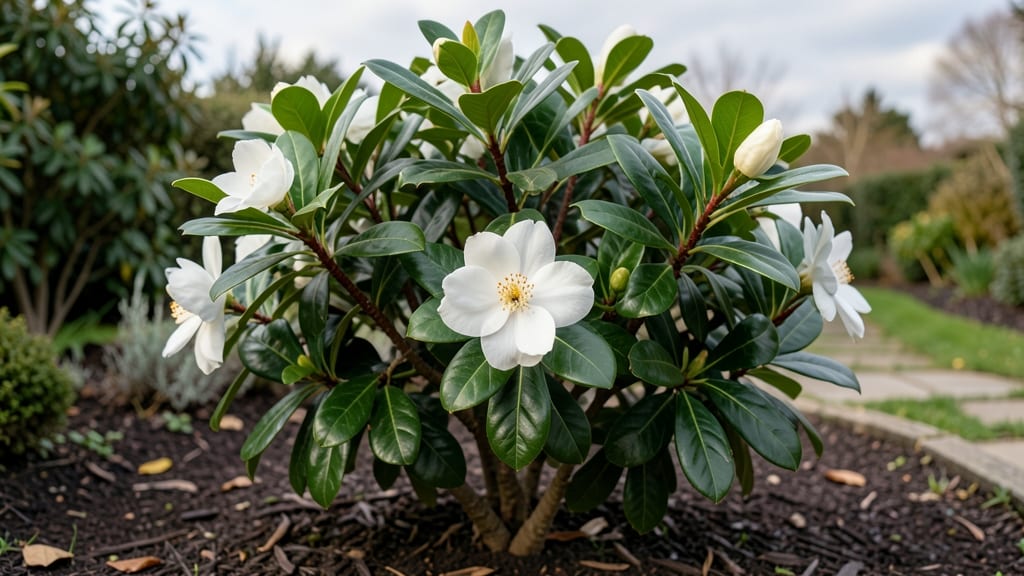
What do gardenias look like in winter? You can finally tell dormant from evergreen varieties without guessing by examining their leaves, stems, and even their fragrance—or lack of it.
If you’ve ever wondered whether your gardenia will vanish into bare branches or retain its lush charm during winter, you’re not alone—many gardeners struggle to distinguish dormant from evergreen varieties during colder months.
Dormant gardenias 🌸 often shed leaves entirely, leaving skeletal branches, while evergreen types keep their glossy foliage but may slow growth. Both types may drop buds or flowers, but the stems tell the story: dormant plants look leafless but alive, while evergreens stay green but less vibrant.
Below, I’ll break down how to spot the differences, what seasonal care keeps them healthy, and how to tell if your plant is resting—or struggling—through the winter months.
How gardenias change in winter: dormant vs. evergreen visual differences
Winter transforms gardenias dramatically, but the changes depend entirely on whether you're growing a dormant or evergreen variety. If you've ever stared at your gardenia wondering whether it's dead or just resting, the key lies in understanding these visual differences.
Dormant gardenias slow down completely, while evergreens maintain their signature glossy foliage—though both may show subtle shifts in stem color and growth patterns.
First, let's address the most common confusion: evergreen gardenias retain their leaves year-round, but their appearance shifts slightly. The leaves may darken or develop a slightly duller sheen in cold weather, while dormant varieties shed all foliage, leaving only bare branches.
Even experienced gardeners often mistake dormant gardenias for dead plants—until they spot those tight winter buds hiding among the branches.
🌿
The leaf retention is the most obvious difference, but don't overlook the stem structure. Dormant gardenias develop a network of thicker, woody branches where leaves once thrived, while evergreens maintain a denser, leafy appearance—though their growth slows significantly.
Even evergreen varieties may drop a few leaves during hard freezes, but they'll regrow quickly once temperatures rise.
Pay close attention to the buds on dormant gardenias. These pinkish, swollen nodes are your first sign that the plant is alive and preparing for spring. Evergreen gardenias, on the other hand, rarely form visible buds in winter—they simply conserve energy until warmer weather arrives.
This distinction is crucial when deciding whether to prune or fertilize in late winter.
Another key difference lies in the foliage texture. Evergreen gardenias may develop a slightly waxy coating on their leaves during winter to protect against frost, while dormant varieties show no foliage at all.
If you're unsure which type you have, check for tiny leaf scars on dormant branches—these mark where leaves once attached.
🪴
For gardeners in USDA Zones 8-10, evergreen gardenias often thrive year-round with minimal winter care, while dormant varieties in colder zones (Zones 6-7) may need extra mulch or even winter protection.
The visual differences become even more pronounced in these colder climates, where dormant gardenias might appear completely bare for months.
If you're growing gardenias in containers, winter appearance changes even more dramatically. Dormant potted gardenias may lose all leaves and appear lifeless, while evergreen varieties in pots often drop lower leaves first, leaving a sparse, leggy look.
This is normal—don't panic and prune too early! Both types will bounce back in spring.
Pro tip: Run your fingers along the stem bark of dormant gardenias. Healthy dormant stems feel smooth and firm, while dead branches are brittle or hollow. Evergreen stems, meanwhile, remain plump and green beneath their leaves, even in winter.
☀️
5 Key signs your gardenia is dormant (not dead) in winter
Winter can turn your gardenia into a puzzling sight—bare branches or just resting? Many gardeners panic when their once-lush gardenia seems to vanish overnight. The good news?
A dormant gardenia is simply conserving energy for spring. Here’s how to tell if your plant is alive and well, not dead or dying.
First, understand that gardenias enter dormancy when temperatures drop below 50°F (10°C). Unlike evergreen varieties, most gardenias slow growth, drop leaves, or even shed branches to survive cold snaps. But don’t toss those branches just yet—these signs prove your gardenia is just resting.
- 🌿 Bud Formation: Tiny pink or green buds appear on branches by late winter—your gardenia’s way of preparing for spring blooms.
- 🪴 Bark Texture: Healthy bark remains firm and slightly rough, not soft or peeling (a sign of rot or disease).
- 💧 Root Health: Gently tug on branches—if they resist slightly (not wobbly), roots are still active beneath the soil.
- 🌡️ Temperature Tolerance: Gardenias in USDA Zones 8-10 may lose leaves but survive winter with mulch protection.
- ✂️ Pruning Response: Trim dead branches in late winter—if new growth emerges by spring, your plant is alive!
One of the most reassuring signs is bud formation. Even if your gardenia looks skeletal, those tiny pink or green buds hidden among bare branches signal life. In my own garden, I’ve seen gardenias with just a few buds survive winter unscathed—proof that dormancy isn’t death.
Check the bark texture next. Healthy gardenia bark is firm and slightly rough, almost like sandpaper. If it feels soft, mushy, or peels easily, that’s a red flag for disease or rot. In contrast, dormant bark stays intact, protecting the plant until warmer weather arrives.
Don’t forget to test root health with a simple tug. Gently pull on a branch—if it resists slightly (but not snaps), roots are still active. I’ve used this trick to confirm dormant gardenias in my garden, even when they looked lifeless above ground.
For extra peace of mind, lightly scratch the bark near the base—green underneath means the plant is alive!
If your gardenia is in USDA Zones 8-10, it may shed leaves but stay alive with proper care. Mulch heavily around the base (3-4 inches) to insulate roots from freezing temperatures. I’ve seen gardenias in Zone 9 retain a few leaves all winter long—just don’t expect blooms until spring.
Finally, prune dead branches in late winter (February-March) and watch for new growth by spring. If your gardenia responds with fresh leaves or buds, you’ve confirmed it was dormant, not dead. This simple test saved my gardenia last winter when I thought I’d lost it entirely!