
Advice
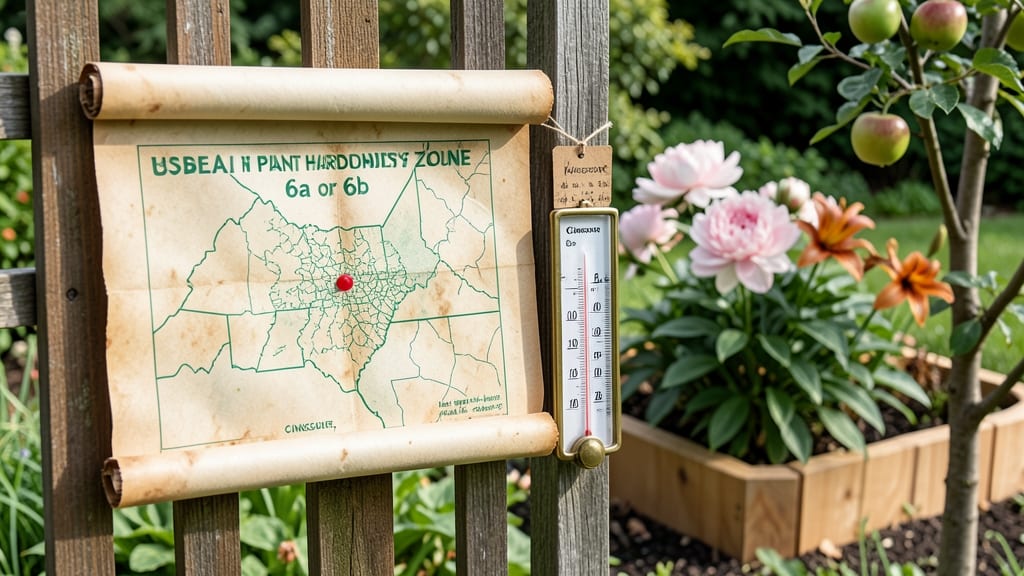
Cincinnati, Ohio falls in USDA Plant Hardiness Zones 6a and 6b, meaning your garden thrives in temperatures as low as -10°F to 0°F and as high as 5°F to 10°F.
If you're planning a garden in Cincinnati, knowing your exact zone is the first step to choosing the right plants—and avoiding costly mistakes. But with the city spanning Zone 6a to 6b, how do you determine the best microclimate for your specific location?
This distinction matters because Zone 6a (colder) and 6b (warmer) can mean the difference between a thriving garden and a failed one. For example, tomatoes planted too early in Zone 6a may not survive a late frost, while Zone 6b areas can handle heat-loving plants like okra or peppers.
Below, I’ll break down how to verify your exact zone, adjust planting schedules, and pick the best plants for your Cincinnati garden—whether you’re in downtown’s urban heat island or a cooler suburb.
Cincinnati’s USDA planting zones: 6a vs. 6b explained
Cincinnati’s USDA Plant Hardiness Zones of 6a and 6b determine which plants thrive in your garden. These zones reflect average minimum winter temperatures, with Zone 6a enduring -10°F to -5°F and Zone 6b handling -5°F to 0°F. This small difference impacts plant selection and frost timing.
Most of Cincinnati falls into Zone 6a, especially in the northern and eastern suburbs, while downtown and southern areas lean toward Zone 6b. Understanding these zones helps you avoid planting tender perennials too early or exposing cold-sensitive plants to late frosts.
Here’s a quick reference for Cincinnati’s frost dates: the average last frost is around April 15, while the first frost typically arrives October 15. These dates shift slightly each year, so always verify with local sources.
To confirm your exact zone, use the USDA Plant Hardiness Zone Map and enter your address. Microclimates—like urban heat islands or river valleys—can push you into a slightly warmer or colder zone than the general classification.
The temperature difference between Zones 6a and 6b may seem minor, but it affects winter survival for plants like roses, hydrangeas, and peonies.
For example, Zone 6a can support hardy perennials like coneflowers and black-eyed Susans, while Zone 6b may handle slightly more tender varieties like butterfly bushes.
For vegetable gardens, this distinction matters too. Tomatoes, for instance, thrive in both zones but may need row covers in Zone 6a during late springs. Meanwhile, cold-hardy greens like kale can be planted earlier in Zone 6b.
| Zone | Min. Winter Temp | Last Frost Date | First Frost Date | Best for Plants |
|---|---|---|---|---|
| 6a | -10°F to -5°F | April 15 | October 15 | Cold-hardy perennials, roses, peonies |
| 6b | -5°F to 0°F | April 10 | October 20 | Tender perennials, butterfly bushes, late tomatoes |
If you’re unsure which zone applies to your garden, check the USDA Interactive Map or consult the Ohio State University Extension for localized advice. They provide frost-free days and heat zone data tailored to Cincinnati’s neighborhoods.
For seasonal planting, Zone 6a gardeners should wait until mid-April to plant warm-season crops like peppers and eggplants, while Zone 6b gardeners can start a week earlier. Cool-season crops like spinach and lettuce can be sown in early March in both zones.
Pro tip: Use mulch and row covers to extend the growing season in Zone 6a. These tools add 5–10°F of protection, helping delicate plants survive unexpected late frosts. In Zone 6b, focus on heat-tolerant varieties like okra and sweet potatoes to beat summer’s humidity.
Knowing your zone isn’t just about survival—it’s about thriving. With the right plants and timing, Cincinnati’s climate rewards gardeners with lush perennials, bountiful vegetables, and year-round color. Start by verifying your zone, then let the growing begin! 🌱
Microclimate tips: how Cincinnati’s neighborhoods affect your garden
Cincinnati’s diverse neighborhoods create unique gardening challenges and opportunities. Downtown areas experience urban heat islands that can push temperatures 5-10°F higher than northern suburbs, while river valleys offer cooler microclimates perfect for heat-sensitive plants.
These variations mean your garden in Over-the-Rhine may thrive with different plants than one in Mason or Milford. Understanding these differences helps you choose the right plants and adjust planting schedules for optimal growth.
Elevation plays a surprising role too. Areas near the Ohio River or along hills in Anderson Township often have cooler nights and longer frost seasons, while flat suburban areas like Montgomery can trap heat.
Even within a single block, a south-facing yard might be Zone 6b, while a north-facing one behaves more like Zone 6a. These microclimates can shift your last frost date by up to two weeks—critical timing for warm-season crops.
- Downtown/Urban Areas: Zone 6b due to heat absorption from concrete. Plant heat-tolerant varieties like Okra or Sweet Potatoes 2 weeks earlier than suburbs.
- River Valleys (e.g., Price Hill): Zone 6a with cooler nights. Ideal for cold-hardy perennials like Peonies or Hostas that need winter dormancy.
- Northern Suburbs (e.g., Loveland): Zone 6a/b mix. Use row covers for tomatoes in early spring to extend growing season by 3 weeks.
- Elevated Areas (e.g., Mt. Lookout): Zone 6a with later springs. Start cool-season crops like Spinach in early March instead of April.
- Suburban Heat Islands (e.g., Sharonville): Zone 6b. Choose drought-resistant plants like Lavender or Russian Sage to reduce watering needs.
Adjust your planting schedule based on these microclimates. For example, in Zone 6b urban areas, you can safely plant tomato seeds indoors by March 1st, while gardeners in Zone 6a river valleys should wait until March 15th.
Similarly, perennial flowers like Daylilies may bloom 2 weeks earlier in downtown than in the northern suburbs. Pay attention to local frost pockets—areas where cold air settles—like low-lying spots near Winton Woods.
Soil temperature varies too. Use a soil thermometer to confirm when to plant. In Zone 6b areas, soil may reach 50°F by early April, while Zone 6a spots might not hit that mark until mid-April.
For warm-season crops like Peppers, wait until soil is 60°F+—a full week later in cooler microclimates. Mulch heavily in urban heat zones to retain moisture and cool roots during summer.
Even container gardening feels the effects. Pots in downtown patios can bake to 90°F+ in summer, while containers in shaded yards stay 10-15°F cooler. Use light-colored pots and self-watering systems in heat islands.
For herbs like Basil, which bolts in heat, move containers to shadier spots by July in Zone 6b areas. In cooler microclimates, you can enjoy fresh basil throughout summer without stress.
Pro tip: Visit the Cincinnati Zoo & Botanical Garden or Cincinnati Nature Center to observe how plants thrive in different microclimates. Their gardens showcase Zone 6a/b plants adapted to Cincinnati’s nuances—perfect inspiration for your own space.
With these adjustments, you’ll maximize your garden’s potential, whether you’re in a downtown courtyard or a northern suburb backyard**. 🌿