
Fertilization
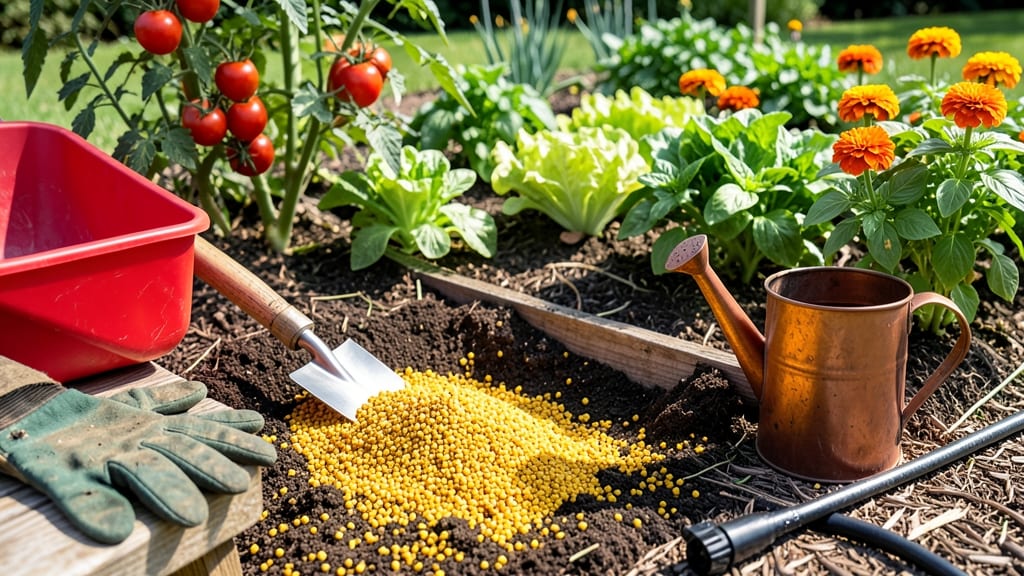
The best time to fertilize your garden is early spring and late summer, when plants are actively growing and soil nutrients are most needed.
Timing your garden fertilization like a pro can mean the difference between lush, thriving plants and struggling growth—so when exactly should you feed your soil?
Most gardeners focus on spring, but fall fertilization is just as critical for perennials and cool-season crops. Skipping these windows can leave your plants hungry when they need fuel the most.
In this guide, I’ll break down the optimal fertilization schedule by season, regional climate tips, and how to spot when your garden is truly ready for a nutrient boost.
Spring fertilization schedule: the 3 critical windows for maximum plant growth
Spring is the most critical season for fertilizing your garden, as plants awaken from dormancy and demand nutrients to fuel rapid growth. Missing these three key windows can leave your vegetables, flowers, and perennials struggling—even if your soil looks rich.
The secret lies in matching fertilization with soil temperatures, plant types, and growth stages, not just the calendar date.
Many gardeners make the mistake of fertilizing too early, when cold soil locks out nutrients, or too late, missing the peak growth phase. I’ve learned through trial and error that timing is everything—especially in zones with unpredictable springs.
Let’s break down the three must-not-miss windows and how to use them for a bountiful harvest.
⚠️ NON-NEGOTIABLE: Always test your soil’s pH and nutrient levels before fertilizing. Most spring soils are nitrogen-deficient after winter, but adding fertilizer without knowing your baseline can lead to overfeeding—or worse, nutrient imbalances that harm plants.
Your first fertilization window opens when soil reaches 45–55°F (7–13°C), typically 4–6 weeks before your last frost date. This is the pre-planting phase, where you’re feeding the soil—not just the plants.
Think of it as a nutrient wake-up call for microbes and roots. I use compost or worm castings here because they release nutrients gradually, preventing burn in cold soil.
For cool-season crops like spinach or peas, this early feeding jumpstarts growth. But for warm-season plants like tomatoes, hold off—fertilizing too soon can actually delay maturity by encouraging leafy growth instead of root development. Always check your plant hardiness zone for precise timing.
The second critical window arrives when soil hits 55–65°F (13–18°C), signaling the new growth phase. This is where you switch to a balanced fertilizer (like 10-10-10) or liquid feeds such as fish emulsion.
My tomato plants show dramatic improvement here—within 2 weeks, stems thicken and leaves darken. Look for pale stems or slow leaf expansion as signs you’ve missed this window.
Pro tip: Side-dress your plants with a band of fertilizer 2–3 inches from the stem, then water deeply. This targets the root zone where plants are actively growing.
Avoid leaf contact—it can cause chemical burns and stress your plants. For container gardens, use half the recommended dose to prevent salt buildup.
Many gardeners overlook the third window: post-harvest replenishment, which occurs when soil warms to 60–70°F (16–21°C). This is your chance to replenish depleted nutrients after your first harvests.
I’ve seen strawberry plants produce 30% more fruit in the second season when fertilized here. Use a high-phosphorus feed (like 5-10-10) to encourage root and fruit development.
Watch for blossom end rot in tomatoes or weak fruit set in squash—these are red flags that your soil lacks calcium or phosphorus.
At this stage, I also top-dress with aged compost to improve soil structure for the next planting cycle. Evergreen plants and perennials benefit from a light feeding here too, but avoid heavy nitrogen—it promotes tender growth that won’t survive summer heat.
Timing isn’t just about the calendar—it’s about plant behavior. For example, basil shows purple stems
Fall fertilization secrets: how late can you feed plants before winter?
As the leaves turn golden and temperatures drop, many gardeners wonder if it's still safe to fertilize their plants before winter sets in. The answer depends entirely on what you're growing and your local climate.
Cool-season crops like kale and spinach actually thrive with late-season feeding, while tender perennials need a complete halt to avoid encouraging new growth that won't survive frost. Let's break down the science behind fall fertilization timing so you can give your garden the right care at the right time.
Here's the key rule: Stop fertilizing tender annuals and vegetables 4-6 weeks before your first expected frost. This gives plants time to harden off naturally without putting energy into new growth. However, cool-season crops and perennials can often handle light feeding right up until the ground freezes.
The goal is to support what's already growing without encouraging vulnerable new shoots that won't survive winter's chill.
⚠️ WARNING: Late-Season Fertilizer Mistakes That Can Kill Your Plants
- Frost damage to new, tender growth
- Root burn from concentrated nutrients in cold soil
- Wasted resources as plants can't use nutrients before dormancy
For cool-season vegetables like broccoli, Brussels sprouts, and carrots, late-season fertilization can actually boost yields. These hardy plants continue growing until frost and benefit from a balanced fertilizer (10-10-10) applied in early to mid-fall.
The nutrients help them store energy for next year's growth. Just be sure to water thoroughly after applying to help roots absorb nutrients before the ground cools.
Perennials have different needs. Instead of feeding them heavily in fall, focus on slow-release organic fertilizers like compost or worm castings. These provide nutrients gradually as soil temperatures drop.
For woody perennials like roses or fruit trees, apply a low-nitrogen fertilizer in early fall to promote root development without encouraging late-season growth that could be damaged by frost.
If you're growing tender perennials or annuals, the rule is simple: stop fertilizing by early September in most climates. This gives plants time to prepare for winter dormancy.
For container plants, which warm up faster in spring, you can sometimes extend feeding until mid-October, but monitor your local frost dates carefully. The last thing you want is to encourage new growth that will be nipped by the first cold snap.
For winter prep, consider adding a thin layer of compost around your plants in late fall. This improves soil structure and provides a slow-release nutrient boost as microbes break it down over winter.
Pair this with a 2-3 inch mulch layer to protect roots and retain moisture. This approach gives your garden a head start in spring without the risks of late-season fertilization.