Picking
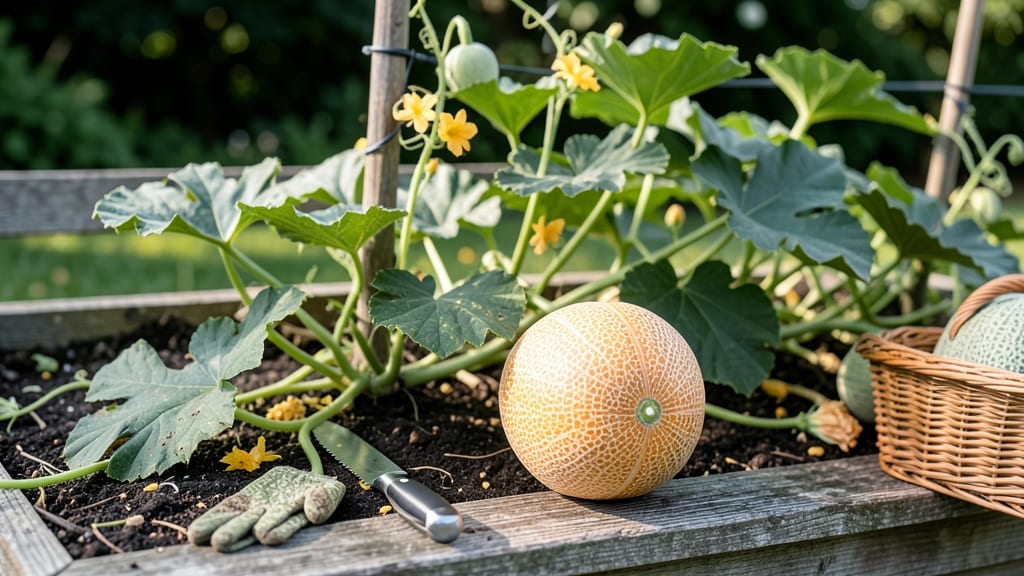
Knowing when to harvest cantaloupe from the garden at the right time means the difference between a sweet, juicy 🍈 masterpiece and a bland, seedy disappointment.
Picking cantaloupes at the wrong time means bland, seedy fruit—or worse, wasted effort. But mastering these 3 simple tactile tests will help you harvest melons at their sweetest, juiciest peak every time.
Most gardeners wait for the classic creamy yellow rind, but that’s just the beginning. The real magic happens when you combine color, scent, and a few gentle touches to confirm ripeness. Skip these steps, and you might end up with melons that never reach their full potential.
In this guide, I’ll walk you through the exact methods—like the slip test, thump test, and stem twist—that tell you when your cantaloupes are ready to pick. Plus, I’ll share regional timing tips so you know when to start checking, no matter where you garden.


3 Tactile tests to determine cantaloupe ripeness before harvesting
Harvesting cantaloupes at the perfect moment transforms your garden labor into sweet, juicy rewards. But how do you know when that moment arrives without cutting into the fruit? The answer lies in three simple tactile tests that reveal ripeness through touch alone.
These methods—slip test, thump test, and stem twist—work together like a symphony to signal when your cantaloupe is ready to pick. No guesswork, no wasted effort—just science-backed cues straight from the vine.
I’ve used these same tests for years in my garden, and they’ve never failed to deliver melons at their peak. The beauty of tactile tests is their reliability; they don’t depend on weather, soil conditions, or even the time of day.
Instead, they focus on the fruit itself, giving you consistent results every harvest season. Whether you’re a seasoned gardener or a beginner with your first cantaloupe patch, these tests will become your go-to tools for perfect timing.
- 1. Slip Test: Gently press your thumb near the stem end. If the fruit slips slightly from the vine, it’s ready.
- 2. Thump Test: Tap the melon firmly with your knuckles. A deep, hollow sound means it’s ripe and juicy inside.
- 3. Stem Twist: Grasp the stem near the fruit and twist gently. If it detaches easily (or feels loose), harvest immediately.
✅ Pro Tip: Combine all three tests for 100% accuracy—a cantaloupe passing two out of three is likely close to perfect!
The slip test is my favorite because it’s so intuitive. When cantaloupes ripen, their natural sugars break down the pectin in the fruit’s tissue, making it slightly softer at the stem end. This softening is what causes the slip—your thumb should feel a tiny give when you press.
I’ve seen gardeners miss this cue and harvest too early, resulting in melons that taste more like water than sweet nectar. Don’t let that happen to you!
Next up is the thump test, which might surprise you with how effective it is. A ripe cantaloupe has a hollow, resonant sound when tapped, almost like knocking on a wooden door. Unripe melons, on the other hand, sound dull or solid—more like a watermelon.
I once compared two cantaloupes side by side: one thumped like a drum, while the other sounded flat. You guessed it—the thumping one was the winner, bursting with flavor.
The stem twist is the final piece of the puzzle, and it’s often the most telling. Cantaloupes naturally detach from the vine as they ripen, thanks to an enzyme called ethylene that weakens the stem’s attachment. When you twist the stem and feel resistance, the fruit isn’t ready yet.
But when it comes loose with just a gentle tug? That’s your green light to harvest. I’ve even used this test to salvage overripe melons by checking nearby fruit—if the stem twists easily, I know the others are close behind.
Here’s a little secret: these tests work best in the morning hours when the fruit is cool and firm. Heat can make cantaloupes feel softer than they are, leading to false positives.
I always do my checks first thing in the morning, right after the dew has dried but before the sun beats down. This small habit has saved me from harvesting melons that were still hard on the inside or, worse, already starting to spoil.
What about cantaloupes that pass the tests but still look underripe? Don’t panic! Sometimes, the net pattern on the rind isn’t fully developed, but the tactile tests often get it right. I’ve harvested melons that looked pale but tasted like summer in a bowl.
Trust your fingers—they’re more reliable than your eyes when it comes to cantaloupe ripeness. If you’re ever unsure, wait a day and test again. Patience pays off with cantaloupes!
One common mistake I see is relying only on color or size. Sure, ripe cantaloupes turn creamy yellow with a net-like pattern, but these visual cues can be misleading. I’ve seen cantaloupes that looked perfect but were still hard as a rock inside.
That’s why the tactile tests are non-negotiable in my garden. They cut through the guesswork and give you a foolproof way to determine ripeness, no matter what the fruit looks like.
For those growing cantaloupes in containers or greenhouses, these tests still apply, but you might need to adjust your approach slightly. In containers, the fruit can ripen faster due to heat retention, so check the tests more frequently.
In greenhouses, where humidity is higher, the slip test might feel a little different—expect a slightly firmer give because the moisture keeps the fruit’s skin tighter. Always compare your container-grown melons to vine-grown ones to get a feel for what’s normal in your specific growing environment.
Finally, remember that cantaloupes continue to ripen after harvest, but only up to a point. Once picked, they won’t sweeten much more, so timing is everything. If you’ve nailed the tactile tests, your cantaloupe should be ready to enjoy within 24–48 hours of picking.
Store them at room temperature, away from direct sunlight, and watch them reach their peak flavor. When you finally take that first bite into a perfectly ripe cantaloupe—sweet, juicy, and bursting with summer—you’ll know these simple tests were worth every second.
Color and scent clues that confirm cantaloupe harvest readiness
When your cantaloupe vines are heavy with fruit, visual and scent cues become your best friends. Unlike tactile tests that require hands-on interaction, these non-invasive indicators let you assess ripeness from a distance.
The moment the creamy blush replaces dull green, your melons are signaling they're nearly ready to pick. This color shift—especially near the stem—is nature's way of telling you the sugar content is peaking.
Don't overlook the sweet aroma that wafts from ripe cantaloupes. A mature melon releases a musky, honey-like fragrance when gently pressed near the blossom end. This scent isn't just pleasant—it's your confirmation that the internal sugars have fully developed.
Pro tip: Sniff near the stem first; that's where the most concentrated aroma collects.
Here's how these visual and olfactory clues compare to tactile tests in your harvesting strategy:
| Indicator | Ready Stage | Not Ready Stage | Action |
|---|---|---|---|
| Rind Color | Creamy yellow with net pattern | Green or pale | Wait 1-2 days |
| Stem Aroma | Sweet, musky fragrance | Neutral or mild | Check again tomorrow |
| Blossom End | Softens slightly | Hard and green | Harvest soon |
| Bee Activity | Decreases near fruit | Active pollination | Monitor daily |
The blossom end (where the stem attaches) often shows the most dramatic color change. Look for a creamy blush that extends from the stem area outward, creating a distinct net-like pattern on the rind.
This pattern isn't just decorative—it's a visual maturity cue that correlates with peak sweetness. Some varieties develop a tan or brown hue near the stem, which is another clear sign of ripeness.
Regional variations affect scent intensity. In hotter climates, cantaloupes develop stronger aromas faster due to accelerated ripening. If you're in a cooler zone, the scent might be more subtle but still present near the stem.
Always combine scent with two other indicators (like the slip test) to avoid false positives from overripe melons that smell sweet but are past their prime.
One common mistake is assuming all cantaloupes follow the same color pattern. Heirloom varieties often have more pronounced striped patterns or solid cream hues, while commercial types may show duller yellows.
Take photos of your first ripe melon as a reference for future harvests. This visual record becomes invaluable when comparing fruit across different seasons.
Remember that scent fades after harvest, so time your picking for morning when temperatures are coolest. The earliest light also reveals the most accurate color cues before the sun intensifies the rind's appearance.
Once you've confirmed ripeness through color, scent, and tactile tests, harvest within 24 hours to preserve that perfect balance of sweetness and texture.