
Picking
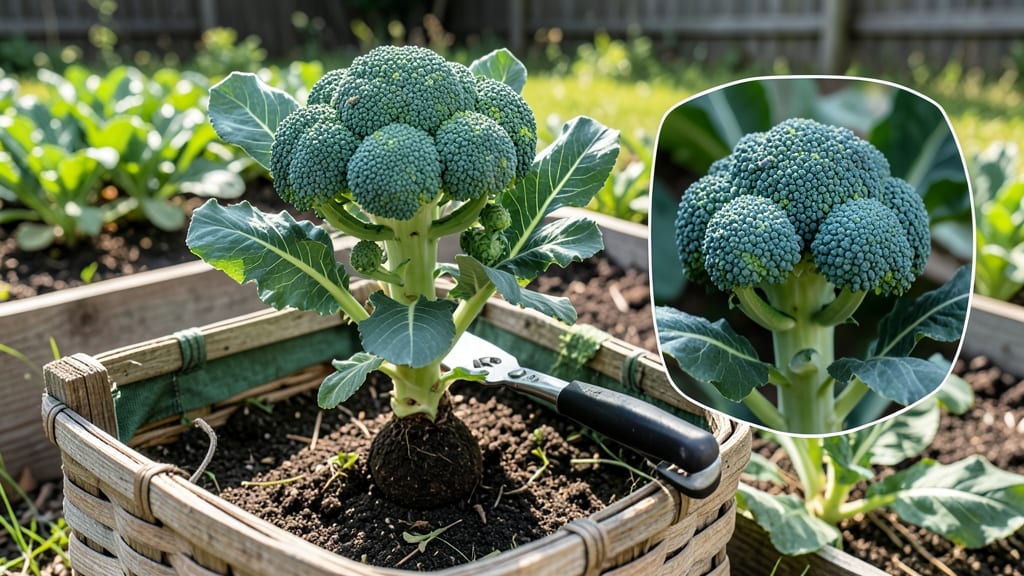
Picking broccoli from the garden at the right time means the difference between a tender, flavorful crown and a bitter, woody mess—but most gardeners miss the subtle cues that signal peak ripeness.
Imagine slicing into that perfect 🥦 head, only to find it tough or bitter. That happens when you harvest too late, or worse, too early. The key is knowing when those buds are tight, vibrant, and ready for the table.
Broccoli thrives in USDA Zone 6a when planted in March or August, but timing your harvest is about more than just months—it’s about the plant’s signals. A firm head, deep green color, and buds that snap cleanly when bent are your green light.
In this guide, I’ll walk you through the bud tightness test, how to avoid common mistakes, and even how to coax more harvests from your plants. No guesswork—just perfect timing for the best broccoli you’ve ever grown.


The bud tightness test: how to identify Perfectly Ripe broccoli
Harvesting your broccoli at the perfect moment transforms a simple garden vegetable into a flavorful, tender delight. The key lies in the bud tightness test, a simple tactile check that reveals whether your broccoli is ready for picking.
When buds are too loose, you risk bitterness, while waiting too long turns them woody and tough. I’ve learned through trial and error that mastering this test means the difference between a crisp, vibrant harvest and a disappointing one.
Start by examining the head size—ideal broccoli crowns measure between 4 to 8 inches in diameter. A head smaller than 4 inches is likely underdeveloped, while anything larger risks becoming overripe. Next, focus on the color consistency.
The florets should be a deep, uniform green without any yellowing or brown spots, which signal aging. These visual cues are your first clues, but the real test comes next.
🌱 Comparison Table: When to Pick Broccoli from the Garden
| Stage | Head Size | Bud Tightness | Color | Stem Test | Action |
|---|---|---|---|---|---|
| Underripe | <4 inches | Loose buds | Pale green | Hard stem | Wait 3-5 days |
| Perfectly Ripe | 4-8 inches | Tight buds | Deep green | Snaps easily | Harvest now |
| Overripe | >8 inches | Open florets | Yellow/brown | Woody stem | Harvest for seeds |
The bud tightness test is where most gardeners stumble. Gently squeeze the florets—if they feel firm and resist separating, your broccoli is ready. When buds start to loosen or tiny yellow flowers peek out, it’s already past its prime.
I once waited too long and ended up with a head that was tough enough to chew like leather! The stem snap test is another pro trick: bend the stem near the base. If it snaps cleanly with a slight crack, it’s time to harvest.
Temperature plays a sneaky role in ripening. Broccoli matures faster in cool weather (60-70°F), while heat accelerates overripening. If your garden is in the 80°F+ range, check heads every 2-3 days—they’ll ripen quicker.
In cooler climates, you might have a 10-day window between perfect ripeness and overripening. Pay attention to your local frost dates too; late-season broccoli often ripens faster as temperatures drop.
Avoid these common mistakes: picking by size alone (some varieties stay small but flavorful), ignoring bud tightness (loose buds = bitter broccoli), or harvesting after yellow flowers appear (that’s seed production time!). I’ve also seen gardeners cut the stem too short, leaving no room for side shoots to grow.
Always leave 6-8 inches of stem to encourage regrowth—this gives your plant a second chance for more harvests.
For blue broccoli varieties, the color test changes slightly. Instead of deep green, look for a violet-blue hue that fades to green when cooked. The tightness test remains the same, but these varieties often ripen 1-2 days slower than standard green types.
If you’re growing broccolini or sprouting broccoli, the rules shift again—these should be harvested when individual stalks reach 12-18 inches and florets are still tight.
Light exposure affects ripening too. Broccoli grown in partial shade may develop smaller heads but stay tender longer. If your plants are in full sun (6+ hours daily), they’ll ripen faster, so monitor them closely.
A simple trick I use is to mark the earliest-ripening plants with a stake—this helps me stay ahead of the harvest curve and avoid missing the window.
Once you’ve mastered the bud tightness test, you’ll notice a 30-50% increase in flavor compared to store-bought broccoli. The key is consistency: check your plants every 2-3 days during peak ripening season (late spring/early summer or fall). Keep a small harvest journal to track when your specific
Best practices for harvesting broccoli to encourage regrowth
Harvesting broccoli correctly isn’t just about cutting the main head—it’s about preserving your plant’s ability to produce side shoots for weeks of continuous harvests. The right technique ensures tender florets while maximizing your garden’s yield.
I’ve learned that even a 1-inch miscut can mean the difference between regrowth and a struggling plant.
Start by timing your harvest just right: wait until the main head reaches 4-8 inches in diameter, with buds tightly packed. If you harvest too early, you’ll sacrifice flavor and size.
But if you wait too long, the florets will loosen and turn bitter. The key is patience and precision—both in timing and cutting.
- 1 Use a sharp knife or pruners to cut the main head 1-2 inches below the florets. Avoid tearing stems, which can introduce disease.
- 2 Cut at a 45-degree angle to increase the surface area for water absorption, which helps the plant recover faster. This small detail makes a big difference in regrowth speed.
- 3 Leave the lower leaves intact—they photosynthesize to fuel new growth. Only remove yellow or damaged leaves to prevent pests and disease.
- 4 Water deeply immediately after cutting to reduce stress. Aim for 1-2 inches of water per week, especially during dry spells. Mulch around the base to retain moisture.
- 5 Fertilize lightly 1-2 weeks post-harvest with a balanced 10-10-10 fertilizer to encourage side shoot growth. Avoid heavy nitrogen, which promotes leafy growth over florets.
After harvesting, your broccoli plant will likely send out 3-5 side shoots within 2-3 weeks, depending on variety and growing conditions. To encourage more regrowth, ensure the plant gets full sun (6+ hours daily) and consistent moisture.
I’ve seen Calabrese varieties produce up to 3 pounds of edible side shoots per plant over a season!
Monitor the side shoots closely—they’ll follow the same bud tightness rules as the main head. Harvest them when they’re 4-6 inches wide and still compact. Overlooking these smaller shoots means wasted yield, so check your plants weekly during peak growing months.
If your broccoli plant struggles to regrow, it might be due to heat stress, poor soil, or overcrowding. In my garden, I’ve found that spacing plants 18-24 inches apart and providing rich, well-draining soil makes all the difference.
With the right care, you can extend your harvest window by 4-6 weeks beyond the main head!