
Picking
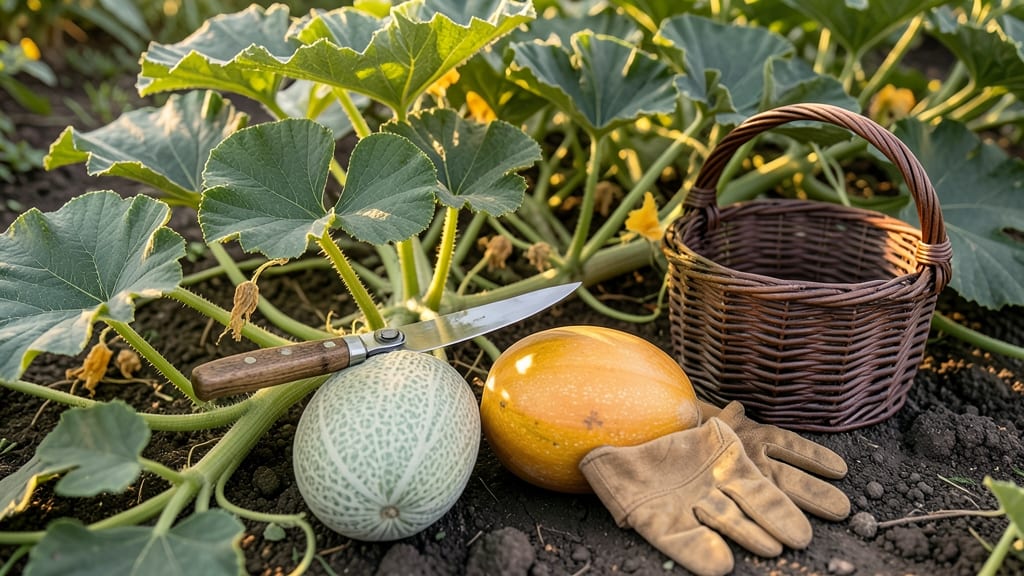
To pick cantaloupe from your garden at peak sweetness, look for a creamy blossom end, a sweet aroma, and a stem that slips easily when tugged.
There’s nothing worse than biting into a cantaloupe that’s still hard or bland—only to realize it wasn’t ripe enough to pick. But with these expert tips, you’ll never miss peak sweetness again, ensuring your homegrown melons taste like summer perfection every time. 🍉
Cantaloupes in Zone 6a typically ripen between July and August, but heat waves or cool nights can throw off timing. The key is knowing the visual and tactile cues that guarantee a juicy, flavorful harvest—no guesswork required.
Below, I’ll walk you through the three unmistakable signs of ripeness, how to adjust for your climate, and what to do if you pick too early. By the end, you’ll confidently harvest cantaloupes that burst with sweetness.


3 Visual and tactile signs your cantaloupe is ready for harvest
Knowing exactly when to pick cantaloupe can turn a good harvest into a sweet, flavor-packed victory. Unlike store-bought melons, homegrown cantaloupes reward patience with unmatched juiciness and aroma. But how do you know when that vine-ripened beauty is finally ready?
The answer lies in three foolproof cues: rind color shifts, stem separation, and the 'thump test'. These signs work together like a gardening symphony—each note confirming the perfect moment to harvest.
I’ve learned the hard way that picking too early means hard, bland melons, while waiting too long risks overripe fruit. The key is balancing these visual and tactile clues to nail the sweet spot of ripeness.
Let’s break down each sign so you can confidently harvest cantaloupes that taste like summer in every bite.
Look for a creamy yellow or tan hue at the blossom end (the side that touched the vine). The rest of the rind should turn from dull green to a muted yellow-gray.
Gently grasp the stem near the fruit and twist slightly. If it slips free with minimal resistance, the cantaloupe is ready. If it resists, wait 1-2 more days.
Tap the melon’s side with your knuckles. A ripe cantaloupe will sound hollow and deep, like knocking on a wooden door. If it sounds dull, it’s not ready yet.
The rind color shift is your first visual clue that the cantaloupe is nearing ripeness. When I first grew cantaloupes, I missed this sign and picked melons that were still greenish and tough. Now, I check the blossom end daily—it’s the most reliable indicator of ripeness.
A fully ripe cantaloupe will have a creamy yellow blush that’s impossible to ignore. This color change happens because the fruit’s chlorophyll breaks down as sugars develop.
Next, the stem separation test confirms what your eyes can’t always see. I’ve found that cantaloupes often look ripe on the outside but aren’t quite there inside. Twisting the stem gently is a tactile confirmation that the fruit’s sugars have fully developed.
If the stem pulls away easily, that’s your green light to harvest. Pro tip: Do this test in the morning when the fruit is coolest—it’s less likely to trick you into thinking it’s riper than it is.
The 'thump test' is my favorite because it combines sound and feel. When I tap a ripe cantaloupe, it vibrates slightly under my fingers, and that hollow echo tells me it’s time. This test works because ripe cantaloupes have less water content and more air pockets inside.
If you hear a dull thud, the melon needs more time on the vine. I always test 2-3 melons at once to compare—it’s amazing how different they can sound even when they look similar.
One common mistake I see gardeners make is relying on size alone. A cantaloupe can be large but still underripe, or small but perfectly sweet. That’s why I always check all three signs together.
For example, a melon might pass the color test but fail the thump test—this means it needs more time. Conversely, a melon that sounds hollow but still has a greenish rind might be overripe. Balance is everything.
If you’re growing cantaloupes in containers or raised beds, these signs still apply, but you might need to harvest slightly earlier. Container-grown melons can overheat faster, which can speed up ripening. I’ve also noticed that cantaloupes grown in warmer climates ripen faster than those in cooler regions.
Always adjust your timing based on your local weather patterns—nothing beats a cantaloupe that’s perfectly ripe for your specific growing conditions.
Once you’ve confirmed all three signs, use a sharp knife or pruners to cut the stem, leaving about an inch attached to the fruit. This prevents the melon from rotting at the stem end.
Store your freshly picked cantaloupes in a cool, dry place (like a pantry or garage) where they’ll continue to ripen slightly over the next few days. Avoid refrigerating until you’re ready to eat—cold temperatures can turn the flesh mushy.
Remember, every cantaloupe vine is unique, so trust your senses. If a melon passes two out of three tests, it’s probably close to perfect. And if you’re unsure?
Wait another day. The best cantaloupes are worth the wait, and there’s nothing like the burst of sweetness when you finally get it right.
How temperature and growing conditions affect cantaloupe ripeness
Cantaloupes thrive in warm weather, but extreme heat or unexpected cool nights can throw off their ripening schedule. I’ve learned the hard way that a 90°F heatwave can make melons ripen faster, while 50°F nights slow everything down.
These fluctuations don’t just change the timeline—they can trick you into picking cantaloupe too early or letting it overripen on the vine.
In USDA Zone 6a, where I garden, cantaloupes typically need 75-90 days to mature. But if temperatures spike above 85°F for weeks, they might be ready in 60 days—or worse, they’ll split open before reaching full sweetness.
On the flip side, cool springs can delay ripening by 2-3 weeks, leaving you with hard, bland fruit.
Here’s the catch: cantaloupes rely on consistent warmth to develop their signature sweetness and aroma. If daytime highs hit 80°F+ but nights drop below 60°F, the fruit may look ripe but taste underwhelming.
That’s why I adjust my harvest timing based on 24-hour temperature averages, not just daytime heat.
🚨
Pro Tip: In Zone 7+, cantaloupes may need shade cloth during extreme heat to prevent sunburn or splitting.
Your climate zone plays a huge role. In Southern states (Zones 8-10), cantaloupes often ripen by late June, while in Northern regions (Zones 4-5), they might not be ready until mid-August.
I’ve even grown cantaloupes in containers on my patio—just be prepared to harvest earlier since potted plants warm up faster in sunlight.
Don’t ignore humidity levels either. High humidity can lead to powdery mildew, which weakens vines and delays ripening. In my humid summers, I space plants 3-4 feet apart for airflow and avoid overhead watering. Even a 5% humidity drop can speed up ripening by 3-5 days.
If you’re in a cooler zone, choose early-maturing varieties like ‘Hale’s Best’ (70 days) or ‘Ambrosia’ (75 days). For hot climates, opt for heat-tolerant types like ‘Athena’ or ‘Crimson Sweet’. And always monitor soil temperature—cantaloupes need 70°F+ soil to germinate and grow properly.
Finally, pay attention to rainfall patterns. Too much rain can dilute flavor, while drought stress makes fruit hard and seedy. I’ve found that drip irrigation keeps roots consistently moist without overwatering, which is key for flavor development.
With the right adjustments, your cantaloupe will be sweeter and juicier than store-bought—no matter your climate!