
Picking
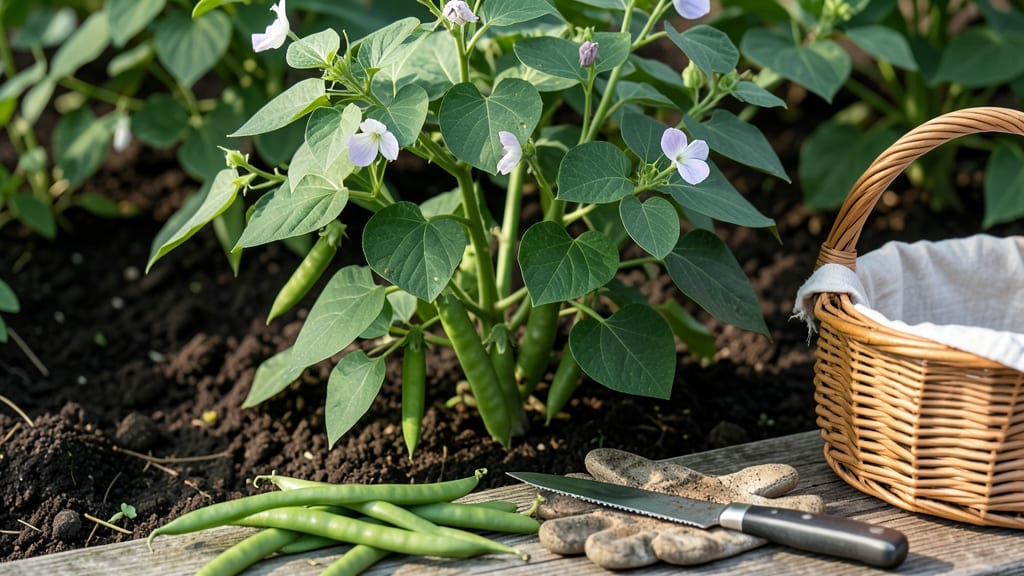
To pick green beans from your garden at their sweetest, wait until pods reach 4-6 inches—that’s when flavor and texture peak.
Harvesting green beans at the wrong time can turn your homegrown bounty into tough, woody pods—ruining flavor and texture. Timing is everything, and these 3 simple size checks will ensure you pick your 🌱 at their sweetest, most tender peak.
Most gardeners miss the ideal window because they don’t know the exact visual cues to watch for. A firm but snappy pod with visible (but not fully developed) seeds is your target—any later, and the beans toughen up fast.
In this guide, I’ll walk you through the 3 key size checks for pole, bush, and heirloom varieties, plus how often to harvest to keep your plants producing all summer.


3 Exact size checks to harvest green beans at peak flavor
Green beans are at their sweetest and most tender when harvested at the perfect moment. Missing this window means tough, fibrous pods that lose their delicate flavor. The key lies in three simple size checks that work for pole beans, bush beans, and heirloom varieties alike.
Master these measurements, and you'll enjoy beans that snap crisply with every bite.
First, understand that variety-specific sizing matters most. While standard green beans typically reach 4-6 inches at peak harvest, some dwarf varieties like 'Blue Lake' stay shorter at 3-4 inches.
Others, like 'Kentucky Wonder' pole beans, can stretch up to 8 inches before reaching their sweetest stage. Always check your seed packet for variety-specific guidance.
Next, focus on the pod's flexibility rather than just length. A perfectly ripe green bean should bend slightly at the stem end but snap crisply when you apply gentle pressure. If it bends without snapping, it's underripe.
If it feels hard or resists bending, it's past its prime. This flexibility test works for all varieties and is my go-to trick for instant flavor verification.
Finally, peek inside the pod to check seed development. At peak harvest, you should see small, undeveloped seeds visible through the pod's skin. If the seeds are barely visible or the pod feels hollow, harvest sooner.
Conversely, if seeds are fully formed and plump, the bean has passed its prime window. This internal check is especially crucial for heirloom varieties where flavor peaks before full seed development.
Visual Comparison Table for Harvest Timing:
| Bean Type | Ideal Pod Length | Flexibility Test | Seed Visibility | Color Indicator |
|---|---|---|---|---|
| Bush Beans | 4-5 inches | Snaps crisply with slight bend | Small, undeveloped seeds | Bright, consistent green |
| Pole Beans | 5-7 inches | Bends easily at stem end | Visible but not plump seeds | Vibrant green, no yellowing |
| Heirloom Varieties | 3-6 inches (check seed packet) | Firm but yields to gentle pressure | Seeds barely visible through skin | True variety color (e.g., purple, yellow) |
For pole beans, timing is especially critical because their vines produce continuously. Check the topmost pods first—they mature earliest. If you see pods reaching 6-8 inches while others remain small, it's time to harvest. Pole beans also benefit from daily checks during peak production months (July-August) to maintain quality.
Bush beans, on the other hand, produce all their pods at once, so harvest frequency becomes even more important. Once the first pods reach 4-5 inches, pick every 2-3 days to prevent the plant from diverting energy to seed development.
This frequent harvesting extends the production window by 2-3 weeks compared to a single harvest.
Heirloom varieties often have unique color indicators beyond green. For example, 'Contender' beans turn a deep purple when ripe, while 'Golden Wax' beans develop a rich yellow hue. Pay attention to these color cues alongside size, as they often signal peak flavor.
Always harvest heirloom beans slightly earlier than standard varieties—their complex flavors develop quickly but fade fast.
Pro tip: Use a small ruler or measuring tape when first harvesting to get a feel for your specific variety's ideal size. Keep it handy in your gardening tool belt or pocket for quick checks.
Over time, you'll develop an eye for size without needing measurements—a skill that separates casual gardeners from true green bean connoisseurs.
Remember that environmental factors can slightly alter timing. Hotter weather speeds up maturation, while cooler temperatures slow it down. In Zone 6a (like my garden), beans typically reach harvest in 55-65 days, but in warmer zones, this drops to 45-50 days.
Adjust your checks accordingly based on your local climate.
How often you should check and harvest green beans
Green beans thrive when harvested regularly, but figuring out the perfect frequency can be tricky. If you check too often, you might miss the sweet spot, while waiting too long turns tender pods into tough, stringy messes.
The key is balancing harvest timing with plant productivity—and it all starts with knowing your variety's rhythm.
Most gardeners aim to harvest green beans every 2-3 days during peak production. This frequent picking encourages plants to focus on producing more pods instead of letting them mature into dry, woody beans.
For pole beans, which can climb 6-8 feet, you’ll need to check daily since pods ripen faster on vines. Bush beans, which stay compact, can handle slightly longer gaps of 3-4 days.
Here’s how to tell when it’s time to harvest—without overdoing it:
- 🌱 Check pods every 2-3 days once plants start flowering. Use your fingers to gently squeeze pods—if they’re firm but snap easily, they’re ready.
- 📏 Harvest when pods reach 4-6 inches (or the size specified for your variety). Overripe beans turn yellow and develop thick skins.
- ⏰ Morning harvests are ideal. Cooler temps mean pods are crispest, and you’ll avoid the afternoon heat that can stress plants.
- 🌿 Trim spent flowers after harvesting to redirect energy to new pod growth. This keeps plants productive longer.
If you notice yellowing leaves or fewer new flowers, your plants may be overworked. This is a sign to cut back on harvesting temporarily and focus on watering and fertilizing.
Green beans are heavy feeders, so a light nitrogen boost (like compost tea) can revive sluggish plants and extend your harvest window.
For heirloom or specialty varieties, always check the seed packet for specific harvest guidelines. Some, like Blue Lake or Kentucky Wonder, produce best with daily checks, while others may tolerate slightly longer intervals.
The goal is to keep plants happy and pods tender—so don’t let them linger on the vine past their prime!
Pro tip: Use a small basket or bucket with a lid to collect harvested beans. This keeps them cool and prevents bruising, so they stay fresh until you’re ready to snap, steam, or store them.
With the right rhythm, you’ll enjoy a steady supply of sweet, crisp green beans all season long. 🌱