
Picking
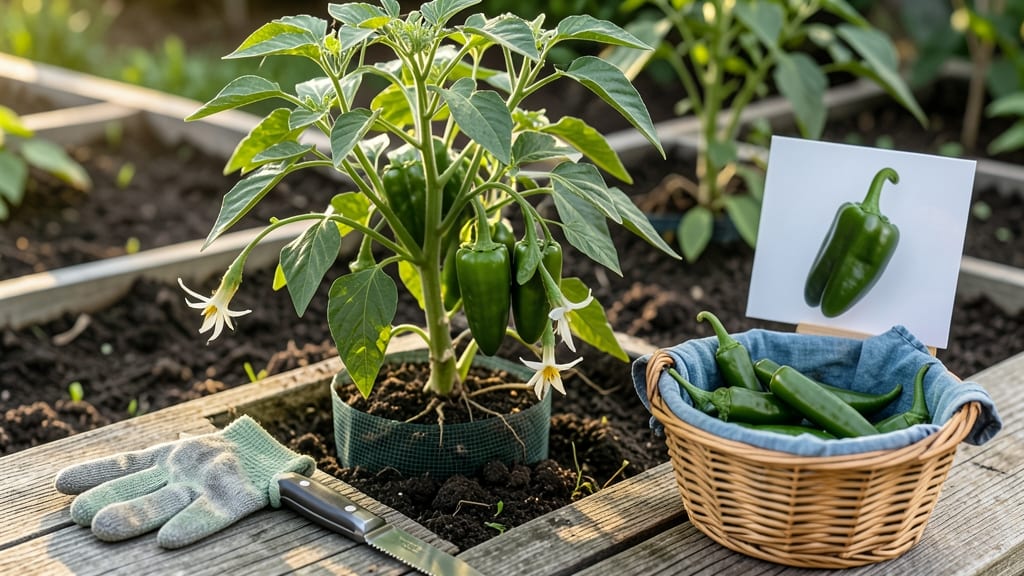
To pick jalapeños from your garden at the perfect moment means capturing the peak of their heat and flavor—before they turn bitter or mushy.
Picking jalapeños at the wrong stage means losing flavor, heat, and even the entire harvest—so knowing exactly when to pluck them is the difference between fiery success and bitter disappointment.
These spicy little 🌶️ peppers start green but can ripen to red, and each color stage offers a unique taste profile. A deep green jalapeño is crisp and mild, while a red one packs a punch with sweeter, fruitier notes.
Below, I’ll show you how to read the color, size, and texture cues—plus the best time of day to harvest for maximum yield and spice. No more guesswork, just perfect peppers every time.


How to identify jalapeño ripeness by color and size
Jalapeños are one of those versatile peppers that can be harvested at different stages for varying heat levels. The key to unlocking their maximum flavor and spice lies in understanding their color progression and physical maturity.
If you pick them too early, you’ll end up with mild, watery peppers—if you wait too long, they’ll turn overripe and bitter. Let’s break down exactly what to look for.
Most jalapeños start bright green when immature, but their true potential shines when they transition through color stages. The size benchmark of 3–5 inches is a great starting point, but don’t stop there—texture and glossiness are just as important.
For example, a deep green jalapeño with a slightly waxy skin is ready for harvest, while a red jalapeño (if your variety turns red) will pack even more heat and sweetness.
| Stage | Color | Size | Texture | Best For |
|---|---|---|---|---|
| Immature | Pale green | 1–2 inches | Firm, dull | Discard (too mild) |
| Early Green | Deep green | 3–4 inches | Glossy, firm | Cooking, pickling |
| Mature Green | Dark green | 4–5 inches | Slightly waxy | Fresh eating, salsa |
| Red (if variety) | Bright red | 4–5 inches | Soft, glossy | Maximum heat, sweetness |
| Overripe | Dull green/red | 5+ inches | Mushy, wrinkled | Avoid (bitter, seedy) |
When checking for jalapeño ripeness, always start with the stem test. Gently twist the pepper at its base—if the stem snaps cleanly with minimal force, it’s ready.
If it resists, wait a few days. This method works even if the color isn’t fully developed yet, giving you a reliable cue beyond just visuals.
Don’t overlook the skin texture, either. A ripe jalapeño should feel slightly waxy to the touch, almost like a light sheen covers the surface. Dull or rough skin means it’s not ready.
Pro tip: Morning harvests often yield the freshest peppers because the dew hasn’t softened them yet, making it easier to assess ripeness accurately.
If you’re growing a red jalapeño variety, timing is critical. These peppers develop their signature deep red hue as they mature, but they also lose some of their crunchiness as they soften.
For the best balance of heat and texture, harvest them when they’re fully red but still firm. Overripe red jalapeños can become mushy and seedy, which is a shame since they’re at their spiciest and sweetest in this stage.
One common mistake is assuming all jalapeños turn red. Many varieties, like the classic Striped Jalapeño, stay green but still reach peak ripeness. Focus on the size and texture rather than color alone.
For example, a 4-inch green jalapeño with a glossy finish is often better than a 5-inch dull one that’s past its prime.
To maximize your jalapeño yield, pick consistently every 2–3 days once they start ripening. This encourages the plant to produce more peppers. Use a sharp pair of pruning
5 Common mistakes that make you pick jalapeños too early (or too late)
Even experienced gardeners sometimes fall into the trap of picking jalapeños at the wrong time. The result? Underripe peppers that lack heat or overripe ones that turn mushy and bitter. I’ve seen both mistakes firsthand in my garden, and trust me—it’s a flavor disaster waiting to happen.
One of the biggest red flags is size. If your jalapeños are still smaller than 3 inches long, they’re likely underripe. Their heat and flavor simply haven’t developed yet.
On the flip side, if they’re shriveled or soft, they’ve been left too long on the vine, losing their crisp texture and sharp kick.
Another common mistake is ignoring color cues. While green jalapeños are perfectly edible, they’re milder in heat. Red jalapeños, however, pack a punch with sweeter and hotter flavors. If you’re only harvesting green peppers, you might be missing out on peak flavor.
Here’s the hard truth: Even if your peppers look ripe, a simple stem twist test can save you from disappointment. Gently twist the pepper at its stem—if it snaps cleanly, it’s ready. If it resists, it needs more time.
Leaving jalapeños on the vine past their prime leads to mushy texture and bitter, off flavors. Overripe peppers also attract pests like aphids, which can spread to other plants. Harvest before they soften—once they turn yellow or wrinkled, it’s too late!
Don’t forget about weather conditions. Hot, dry spells can cause peppers to ripen faster, while cool, cloudy weather slows them down. If your garden is experiencing unusual heat waves, check your peppers more frequently—they might be ready sooner than expected.
Finally, harvesting frequency plays a huge role. Jalapeño plants produce continuously, so if you’re not picking regularly, older peppers will crowd out new ones. Aim to harvest every 3-5 days during peak season to keep your plants productive and your peppers at their best.
Next time you’re in your garden, take a closer look at your jalapeños. Are they firm, glossy, and the right size? If yes, grab your pruners and enjoy the perfect pepper! If not, give them a little more time—or a little less, depending on the mistake.