Picking
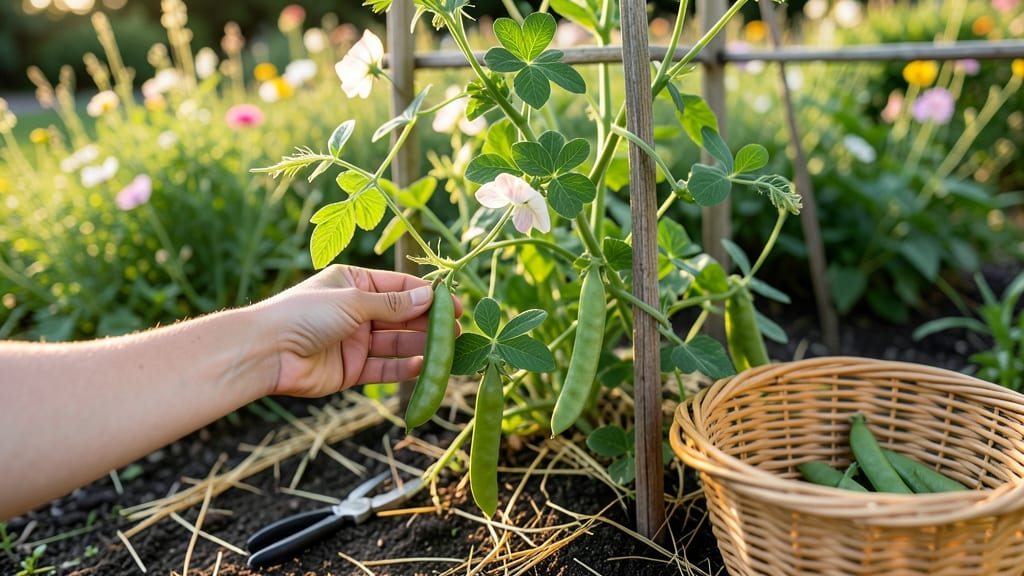
To pick peas from your garden at their sweetest, time it when pods are plump, firm, and 1.5–2 inches long—before they toughen and lose flavor.
Peas are one of the fastest-growing vegetables in your garden—but timing their harvest wrong means tough, mealy pods instead of sweet, crisp perfection. Missing these key signs could cost you the best flavor of the season.
You’ll know they’re ready when the pods snap easily, seeds are visible but not overcrowded, and the leaves stay vibrant. Harvesting at the right moment keeps the plant producing longer, so don’t wait too long!
Below, I’ll break down the exact visual cues for snap, snow, and shelling peas, plus how often to pick for maximum yield—so you never miss peak sweetness again.


3 Visual signs your peas are ready for harvest (before they toughen)
Peas are one of the most rewarding vegetables to grow, offering a quick harvest window of just 60-70 days from planting. But timing is everything—wait too long, and you'll end up with tough, stringy pods instead of sweet, tender perfection.
The key is learning to read your plants' visual cues before they pass their prime.
Unlike many vegetables, peas don't ripen after picking, so harvesting at the perfect moment ensures maximum flavor and texture. I've learned the hard way that even a day or two past peak ripeness can turn your harvest into a mealy, flavorless disappointment.
Let's break down the three non-negotiable signs that tell you it's time to harvest your peas.
🌱 When to Pick Peas: 3 Key Visual Cues
- Pod Size: 1.5-2 inches long (about the size of your thumb). Snap peas should be slightly shorter (1-1.5 inches), while shelling peas can reach 2.5 inches when fully ripe.
- Color & Texture: Bright saturated green with a slightly waxy sheen. When gently squeezed, pods should feel firm but yield slightly—like a ripe cucumber, not a hard plastic.
- Seed Visibility: Seeds inside should be clearly visible but not filling the pod. For shelling peas, seeds should be plump and rounded, while snap peas should have small, barely visible seeds.
Let's start with the most obvious sign: pod size. When I first grew peas, I assumed bigger meant better—but that's a common mistake that leads to tough peas.
The ideal size depends on the variety: snap peas should be harvested when they're 1-1.5 inches long, while shelling peas can grow slightly larger (2-2.5 inches) before they toughen.
Pay close attention to the pod's texture—this is where many gardeners go wrong. A perfectly ripe pea pod should feel firm but slightly yielding when you gently press it between your fingers.
If it feels hard and woody, you've missed the window. I test this by pinching a pod: if it snaps cleanly with a slight give, it's ready for harvest.
The third visual cue is often overlooked: seed visibility. For shelling peas, you want to see plump, rounded seeds inside the pod, but they shouldn't be crowding each other.
With snap peas, seeds should be barely visible—almost like tiny green beads. If seeds are filling the pod completely, the peas will be starchy and tough.
One mistake I see often is harvesting based on color alone. While ripe peas are bright green, a dull or yellowing pod doesn't necessarily mean it's overripe—it could signal disease or poor growing conditions.
Always check all three signs: size, texture, and seed visibility before deciding it's time to pick.
Seasonal timing also plays a role. Early spring varieties often ripen faster (50-60 days), while late summer plantings may take 65-70 days. I've found that morning harvests yield the sweetest peas because the cool temperatures preserve their tenderness.
Always pick on a dry, sunny morning to avoid spreading disease.
Here's a trick I learned from my grandmother: harvest every 2-3 days during peak production. This prevents pods from overfilling and encourages your pea plants to produce more flowers and pods.
If you see more than 30% of pods reaching their maximum size without being harvested, you're likely picking too infrequently.
Finally, don't ignore the plant's overall health. If leaves start yellowing or pods develop brown spots, it's a sign to harvest what you can and address potential pests or diseases.
Healthy plants will keep producing for 4-6 weeks with proper care, giving you a steady supply of fresh peas straight from your garden.
Remember, the sweetest peas come from consistent harvesting. Once you master these three visual signs, you'll never again miss the perfect moment to pick peas from your garden—just in time for their peak sweetness before they toughen.
Pea variety harvest guide: snap vs. snow vs. shelling (best times & techniques)
Not all peas are created equal when it comes to harvest time! Each variety—snap peas, snow peas, and shelling peas—has unique signals that tell you when they're ready to pick.
Ignoring these differences can mean the difference between tender perfection and woody disappointment. Let’s break down exactly what to look for with each type.
Timing matters because peas stop sweetening once they’re overripe. For snap peas, you’ll want them just before they start bulging with seeds. With snow peas, flatness is key—they should be bright green and barely thickened.
Meanwhile, shelling peas need their pods to plump up but not harden. Missing these windows means tough, stringy pods instead of garden-fresh flavor.
When to pick peas also depends on your harvest frequency. Regular picking encourages more production, but stopping too late can exhaust your plants. Here’s how to tell each variety apart at harvest time:
| Variety | Pod Size | Color | Texture | Seeds | Harvest Window |
|---|---|---|---|---|---|
| Snap Peas | 2-3 inches | Bright green | Crisp, snaps when bent | Small, not filling pod | 60-70 days after planting |
| Snow Peas | 2-3 inches, flat | Bright green | Tender, barely thickened | Visible but tiny | 55-65 days after planting |
| Shelling Peas | 2-3 inches, plump | Green to yellow-green | Firm, slightly yielding | Filling pod but not hard | 65-75 days after planting |
For snap peas, the snap test is your best friend. Hold the pod between your fingers and gently bend it—if it snaps cleanly, it’s ready. Wait too long, and the pods will toughen up. Snow peas should be flat and barely thickened, almost like a tiny leaf.
If they start curling or thickening, you’ve missed your window.
With shelling peas, focus on the pod’s firmness. Press gently—it should yield slightly but not feel mushy. If the pods start turning yellow or the seeds look too large, stop picking that plant to let it replenish energy for future production.
Overpicking can stress your plants and reduce future yields.
Pro tip: Harvest early in the morning when peas are cool and crisp. Use sharp pruning shears or simply pinch pods off at the stem to avoid damaging the plant. For continuous harvests, pick every 2-3 days—this keeps plants productive and prevents overcrowding.
Knowing these key differences ensures you’ll enjoy the sweetest, freshest peas straight from your garden. Now grab those shears and get picking! 🌱