
Picking
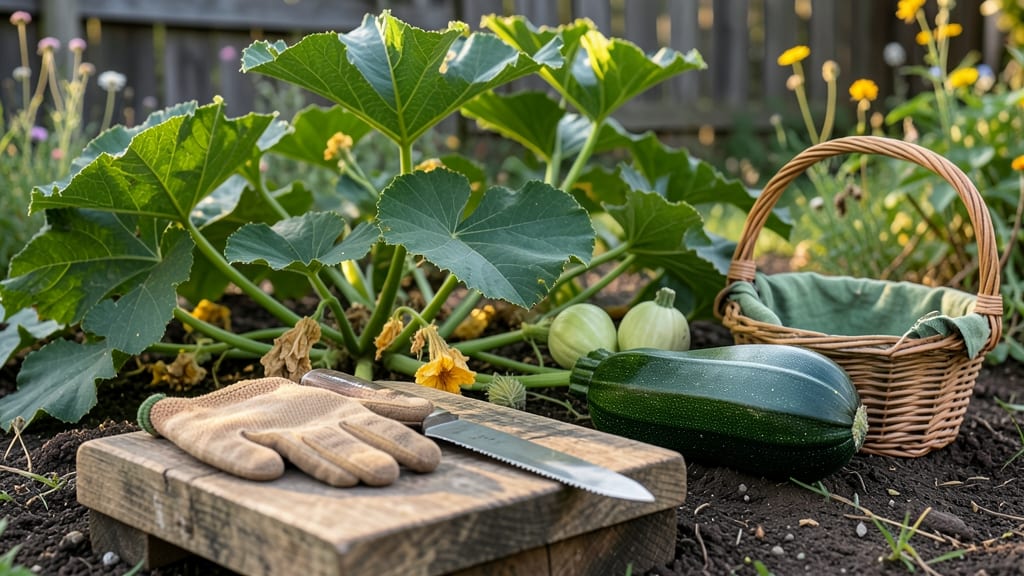
To pick squash from your garden at the perfect time means the difference between a meal-worthy harvest and a tough, seedy disappointment.
Picking squash at the perfect moment means the difference between a meal-worthy harvest and a tough, seedy disappointment—so how do you know when it's time? 🎃
Most gardeners wait for color changes, but the real cues are hidden in the skin's firmness, the stem's dryness, and even the hollow sound when tapped. These 3 touch tests will tell you exactly when to harvest, whether you're growing zucchini or butternut.
Below, I’ll walk you through how to check ripeness, adjust for summer vs. fall harvests, and avoid the common mistakes that turn great squash into garden flops.
3 Touch tests to determine squash ripeness before harvesting
Harvesting squash at the right moment transforms your garden bounty into delicious meals instead of tough, seedy disappointments. The key lies in your fingertips—these 3 touch tests reveal when summer squash, winter squash, and zucchini are ready to pick. No fancy tools needed, just your hands and a little practice!
Many gardeners wait for color changes, but texture and weight often give clearer signals. Overripe squash becomes stringy and flavorless, while underripe squash stays bland and watery. Let's explore how to use simple touch-based methods to nail that perfect harvest window for all squash varieties.
🌱 3 Touch Tests for Perfect Squash Ripeness
- 1. Skin Firmness Test: Press your fingernail into the squash skin. If it leaves a deep dent, it's not ready. At peak ripeness, the skin should resist pressure completely.
- 2. Stem Separation Test: Gently twist the stem near the fruit. If it snaps cleanly with minimal resistance, the squash is harvest-ready. A stubborn stem means more time on the vine.
- 3. Weight Assessment: Lift the squash—ripe squash feels heavy for its size. Underripe squash will feel surprisingly light, while overripe squash may develop a hollow sound when tapped.
💡 Pro Tip: Combine these tests for accuracy. A squash passing all three is guaranteed to be at its flavor peak!
For yellow squash and zucchini, focus on the skin firmness test first. These varieties ripen quickly—often within 45-55 days—so check them every 2-3 days once they reach 6 inches long. The skin should transition from matte to slightly shiny when ripe.
Winter squash varieties like butternut and acorn require all three tests. Their thick skins make them harder to dent, so pay extra attention to the stem separation and weight. A ripe butternut squash will feel dense and heavy, while its skin turns from green to deep orange.
Timing matters most in hot summer months when squash ripens fastest. Morning harvests prevent sun scald and maintain freshness longer. Always use a sharp knife or pruners to avoid damaging the vine, which can reduce future yields.
If you miss the perfect window, don't panic! Summer squash can be harvested slightly underripe for cooking, while winter squash can cure for weeks to improve texture. But for peak flavor, these touch tests are your best friends in the garden.
Remember: Overripe squash develops tough skin and large seeds, while underripe squash stays watery inside. Mastering these tests ensures you'll always harvest at the sweet spot between these two extremes.
🌿 Now grab your gardening gloves and put these tests to work—your next squash harvest will be the best yet!
How squash color and size vary by type (and when to pick each)
Not all squash ripen the same way—some turn bright yellow, others develop deep ridges, and a few stay green until the very end. Understanding these color and size cues is key to harvesting at peak flavor.
For example, yellow squash like zucchini need to be picked when they're still small and tender, while butternut squash should wait until their skin hardens and turns golden. Let's break down the exact signals for each type so you never miss the window.
Color changes are your best friend when harvesting squash. A zucchini ready to pick will have a deep, glossy green skin that resists pressure from your fingernail. Meanwhile, acorn squash develops a rich, peachy-orange hue when fully ripe, paired with a firm texture.
These visual cues, combined with size, tell you exactly when to harvest for the best taste and texture. Paying attention to these details ensures you avoid both underripe squash (which can be bland) and overripe squash (which becomes tough and seedy).
summary-table
Squash Type
Color at Harvest
Size at Harvest
Harvest Time
Key Ripeness Test
Yellow Squash (e.g., Zucchini)
Deep glossy green
6-8 inches long
Summer (July-August)
Skin resists fingernail pressure
Acorn Squash
Peachy-orange
4-6 inches diameter
Early Fall (September)
Stem dries and skin hardens
Butternut Squash
Golden-beige
1-2 lbs
Late Fall (October)
Rind cannot be pierced with thumb
Zucchini (Summer Variety)
Bright green
1-2 pounds
Summer (June-August)
Flowers fade after pollination
For yellow squash, timing is everything—pick them too late, and they become tough and seedy. Look for a deep green color and a size of about 6-8 inches. The skin should feel firm but not hard, almost like a ripe avocado.
If you press your fingernail into the skin and it leaves a mark, it's not ready yet. Harvesting early also encourages more production, as the plant will keep producing flowers and fruit.
I always aim to pick mine every 2-3 days during peak season to keep the plant happy and productive.
Acorn squash and butternut squash take longer to mature, so patience pays off. Acorn squash should have a rich peachy-orange hue and a firm texture that doesn’t dent easily. Butternut squash, on the other hand, needs to develop a hard, golden rind and weigh between 1-2 pounds. Both types should have a dry stem near the fruit, which is a clear sign they're ready. Waiting too long can lead to overripe squash that's tough and less flavorful, so keep an eye on them as they near maturity.
One common mistake I see is harvesting squash based solely on size. While size is a factor, color and texture are equally important. For instance, a zucchini that’s 8 inches long but still soft inside isn’t ready, even if it’s the expected size.
Always combine these three cues—color, size, and texture—to ensure you're picking at the perfect moment. This approach works for all squash varieties, whether you're growing them in your garden or on a patio in containers.
If you're unsure whether your squash is ready, give it a gentle tap. A ripe squash will sound hollow when tapped near the stem, while an underripe one will sound dull. This trick works especially well for winter squash like butternut and acorn.
Once you've mastered these cues, you'll never miss the harvest window again. Happy harvesting—and enjoy those delicious, homegrown squash in your favorite recipes! 🎃